Bernard-Henri Lévy Warns ISIS Remains a Threat, Reaffirms Support for Kurdish Statehood
“If there is one stateless people in the world who deserves a state, it is the Kurds,” he said, citing decades of persecution, genocide, and sacrifice, including fighting ISIS on behalf of both the region and the West.
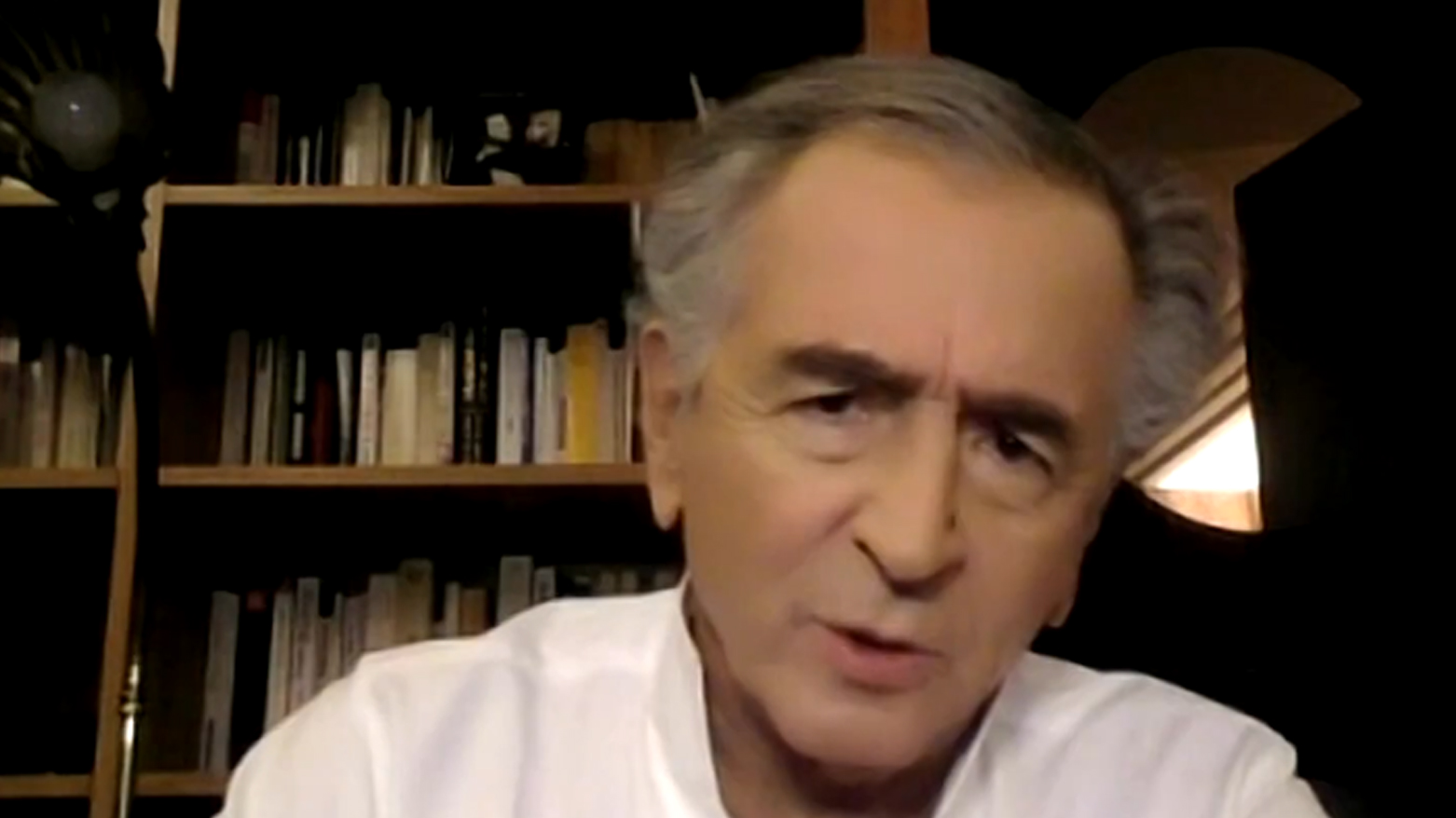
ERBIL (Kurdistan24) — French philosopher and public intellectual Bernard-Henri Lévy has warned that the threat posed by ISIS has not been eliminated, praising Kurdish forces as the most effective barrier against extremism while reiterating his long-standing support for Kurdish statehood.
In an interview with Kurdistan24 on Monday, Lévy said fanaticism, radical Islamism, and ISIS continue to pose dangers, despite being significantly weakened over the past decade.
“The Kurds have been a strong rampart against ISIS, and they remain on the front line,” Lévy said, noting that the extremist group still maintains sleeper cells and fighters on the ground. He stressed that while the threat is far less severe than it was ten years ago, it has not disappeared and requires continued vigilance from both Kurdish forces and Western allies.
Lévy, who has previously visited the front lines alongside Peshmerga forces, said the reduction of the threat was the result of Kurdish sacrifices and battlefield experience. He described Kurdish forces in Iraq and Syria as uniquely capable, citing their combat experience, understanding of the threat, and ability to effectively use Western-supplied weapons.
“I do not know of any force over the past 10 or 20 years that has done this job and is still capable of doing it, other than the Kurdish forces,” he said.
Kurdish State Seen as Key to Regional Stability
Reaffirming a position he said he has held for three decades, Lévy argued that lasting stability in the Middle East depends on the establishment of a Kurdish state. He described the Kurds as "real people” deserving of a “natural state,” contrasting this with what he called the failure of centralized states in Iraq and Syria.
According to Lévy, excessive centralization has contributed to instability by denying Kurds self-determination across Iraq, Syria, Turkey, and Iran. He said Kurdish autonomy in the short term and independence in the long term represent the most viable solution to extremism and regional fragmentation.
“If there is one stateless people in the world who deserves a state, it is the Kurds,” he said, citing decades of persecution, genocide, and sacrifice, including fighting ISIS on behalf of both the region and the West.
Criticism of International Response to 2017 Referendum
Lévy recalled the 2017 independence referendum in the Kurdistan Region, describing the international reaction as a “shame.” He noted that more than 90 percent of voters supported independence in what he emphasized was a consultative, not binding, vote.
“The blockade and isolation of the Kurdistan Regional Government and the abandonment by the West were deeply unjust,” he said.
Baghdad–Erbil Relations and Regional Influence
Addressing the current political challenges, Lévy said compromise is essential in any democracy but argued that responsibility for resolving disputes now lies primarily with Baghdad. He pointed to years of unpaid salaries for Peshmerga forces, budget disputes, and what he described as the humiliation of the Kurdistan Region.
Lévy also criticized what he called Iran’s excessive influence over Iraq’s federal government, warning against Baghdad becoming subordinate to any regional power. He said Iraq should pursue independent governance and diversify its international partnerships.
Syria and the Future of the Region
On Syria, Lévy described the fall of Bashar al-Assad as a historic turning point but expressed skepticism about the ideological transformation of those now in power. He questioned whether former jihadists had genuinely abandoned extremist beliefs.
For this reason, he said Kurdish autonomy and federalization in Syria are essential, not only for the Kurds, but also for Western security interests. He urged Western capitals to make Kurdish rights a “red line” in their engagement with Damascus.
Lévy concluded by calling for a stronger alliance between the West, the Kurds, moderate Arab states, and countries aligned with the Abraham Accords, saying such cooperation could pave the way for lasting peace in the region.
“A time for peace is approaching,” he said. “It is within reach - if the right choices are made.”