Under Terrorism Law, Iraq’s Interior Ministry Vows to End Tribal Violence and Monopolize Weapons
Iraq’s Interior Ministry has reaffirmed that tribal disputes and dakka attacks will be prosecuted as terrorist crimes, pledging strict enforcement of weapons control, close coordination with the judiciary, and swift legal action to protect civil peace.
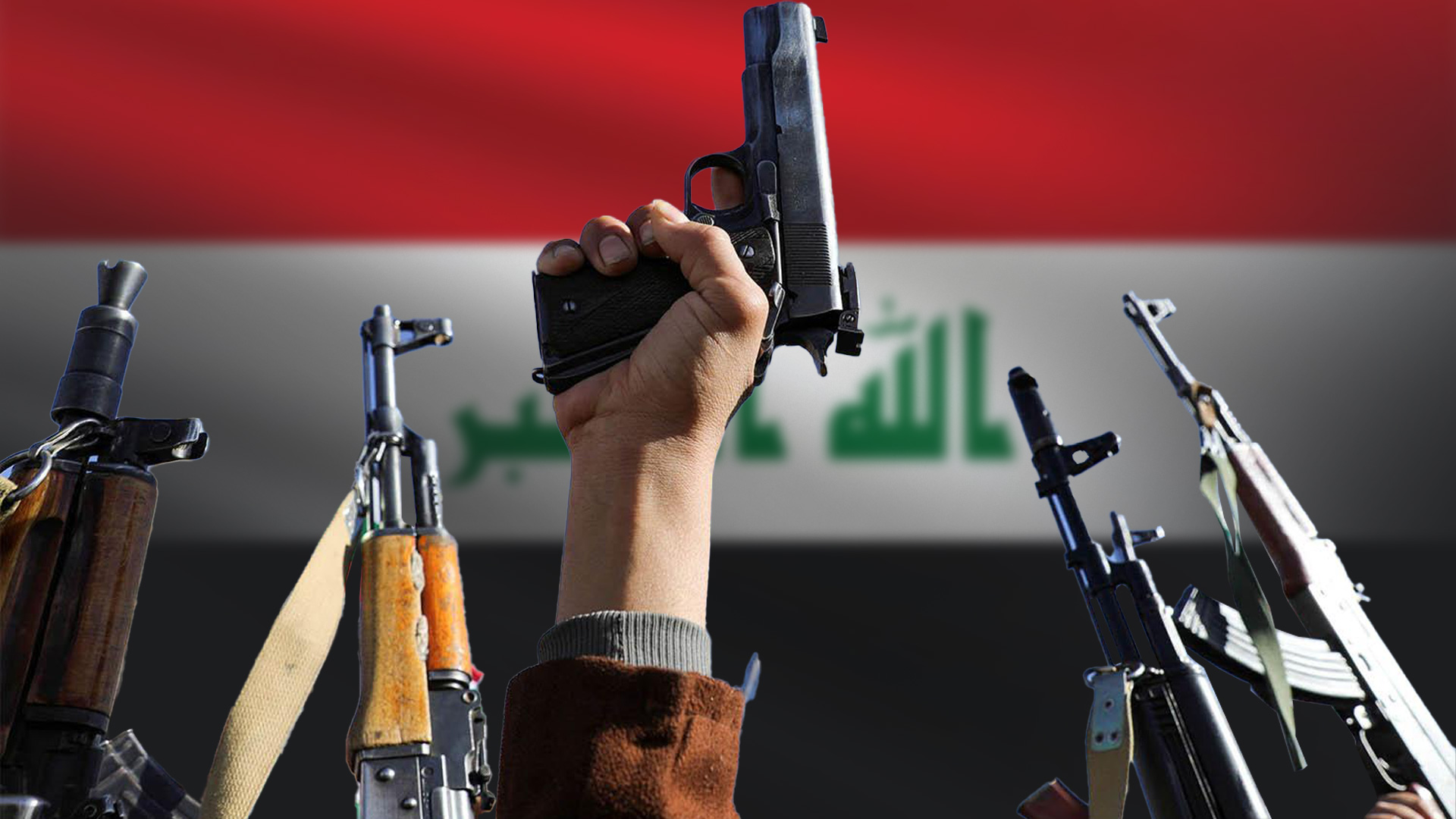
Erbil (Kurdistan24) - In a decisive escalation aimed at restoring public order and reinforcing the authority of the state, Iraq’s Ministry of Interior reaffirmed on Sunday its determination to treat tribal disputes and the practice known as dakka as terrorist crimes, vowing to prosecute those involved under the country’s counterterrorism legislation and to enforce the principle of confining weapons exclusively to state control.
The warning was delivered by Interior Ministry spokesperson Col. Abbas al-Bahadli, who said security forces now view tribal conflicts as “negative and uncivilized phenomena” that pose a direct threat to civil peace. Speaking to the Iraqi News Agency (INA), al-Bahadli stressed that the ministry is acting in close coordination with the Iraqi judiciary to apply Article Four of the Anti-Terrorism Law against individuals implicated in such acts.
According to al-Bahadli, what has long been described as dakka al-ashairiya — once framed within the context of tribal customs — has now crossed into the realm of major criminal offenses. “The judiciary has the final word,” he said, adding that anyone caught in the act will be immediately referred to trial under the applicable laws. He underscored that the ministry “will not allow any leniency” in the enforcement of security and the rule of law.
The Interior Ministry also reiterated its uncompromising stance on the proliferation of unlicensed weapons. Al-Bahadli stated that “there can be no acceptance of any weapon outside the framework of the state,” emphasizing that no parallel customs or informal rules can supersede Iraq’s national laws. He warned that the use of firearms to resolve disputes represents a genuine danger to daily civilian life and to the security of society as a whole.
Al-Bahadli further revealed that a large number of suspects are currently undergoing investigative procedures, noting that court rulings have already been issued against many of those involved. He said this reflects the state’s seriousness in bringing the long-standing problem of armed tribal disputes to an end.
In its closing message, the ministry appealed directly to tribal leaders and prominent figures, urging them to fully comply with the law and to adopt lawful mechanisms for resolving disputes. Citizens were also encouraged to report any attempts to undermine community security.
The renewed warning comes against the backdrop of growing concern over dakka al-ashairiya, a practice rooted in centuries-old traditions. The custom involves armed members of one tribe gathering at the home of another, firing weapons and sometimes throwing hand grenades as an intimidation tactic to force negotiations. If the targeted party refuses, such confrontations can escalate into armed clashes, often resulting in casualties on both sides.
The phenomenon expanded markedly following the widespread and uncontrolled spread of weapons. Over time, dakka evolved into a major threat to social stability, particularly in southern regions where tribal influence remains strong. In Baghdad, the practice has been observed mainly in the Rusafa side of the capital, where some tribes reportedly turned it into a means of extorting money from communities already exhausted by years of hardship.
Many Iraqis say the unchecked presence of arms has shifted power toward those who wield force, eroding the traditional role of tribes as sources of protection and turning them, instead, into a persistent source of fear in daily life.