Yezidi Tribes Warn of Rising Security Concerns in Sinjar, Oppose External Interference
In a statement, tribal leaders voiced deep concern about what they called suspicious movements and political pressures affecting the area
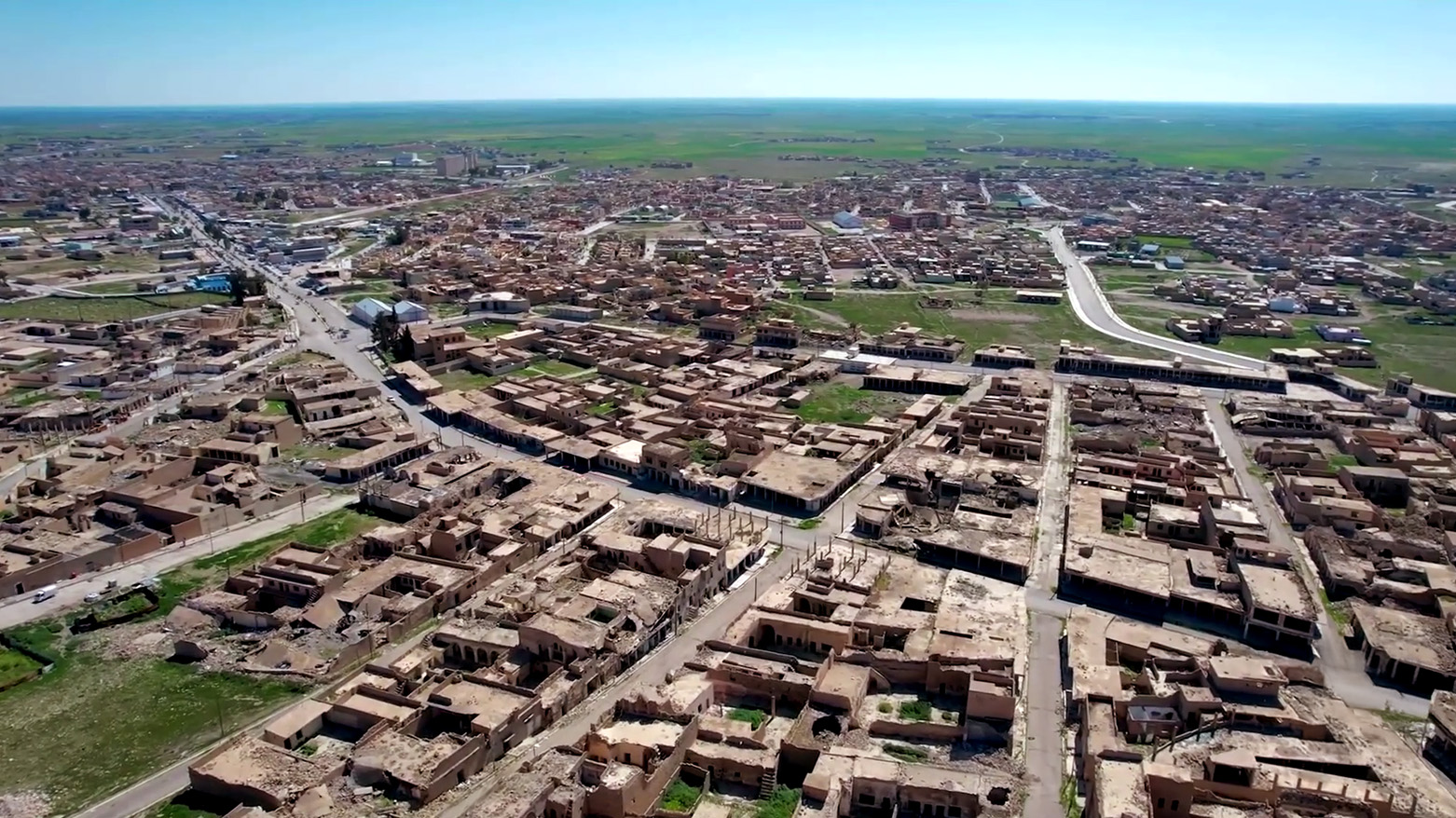
ERBIL (Kurdistan24) – Representatives of Yezidi tribes living in Mount Sinjar issued an urgent warning on Monday over what they described as a worsening security situation and growing instability in the region.
In a statement, tribal leaders voiced deep concern about what they called suspicious movements and political pressures affecting the area. They alleged that some political parties, certain parliamentarians, and armed factions affiliated with the Popular Mobilization Forces are attempting to advance the agendas of foreign countries, actions they say risk further destabilizing Sinjar.
The representatives stressed that individuals outside the Yezidi community are exerting pressure that complicates the local security environment. They firmly rejected any external interference, declaring that they would not allow armed actors to impose new power dynamics on the mountain region.
The statement underscored the symbolic importance of Sinjar for the Yezidi people, describing it as more than a geographical location. Tribal leaders called it a historic refuge and a symbol of protection for their faith, particularly recalling its role during the genocide carried out by ISIS.
They concluded by holding the parties they criticized responsible for any escalation that could heighten tensions or trigger further displacement among residents of the area.
On Aug. 3, 2014, ISIS militants attacked the Yezidi-majority town of Sinjar and nearby villages, killing at least 5,000 Yezidis as well as enslaving about 6,000 women and minors. Around 400,000 others were displaced by the offensive.
Most of the religious community fled to the Kurdistan Region, while others resettled in neighboring countries or Western states.
The Kurdish-Kurmanji-speaking community has suffered at least 72 genocides.