A Museum in the Making: Germany Supports Restoration of Akre’s Historical Fort
The project is funded by the German Federal Ministry for Economic Cooperation and Development (BMZ) and is implemented by GIZ GmbH and The Lotus Flower, in cooperation with Akre’s Directorate of Antiquities and Heritage.
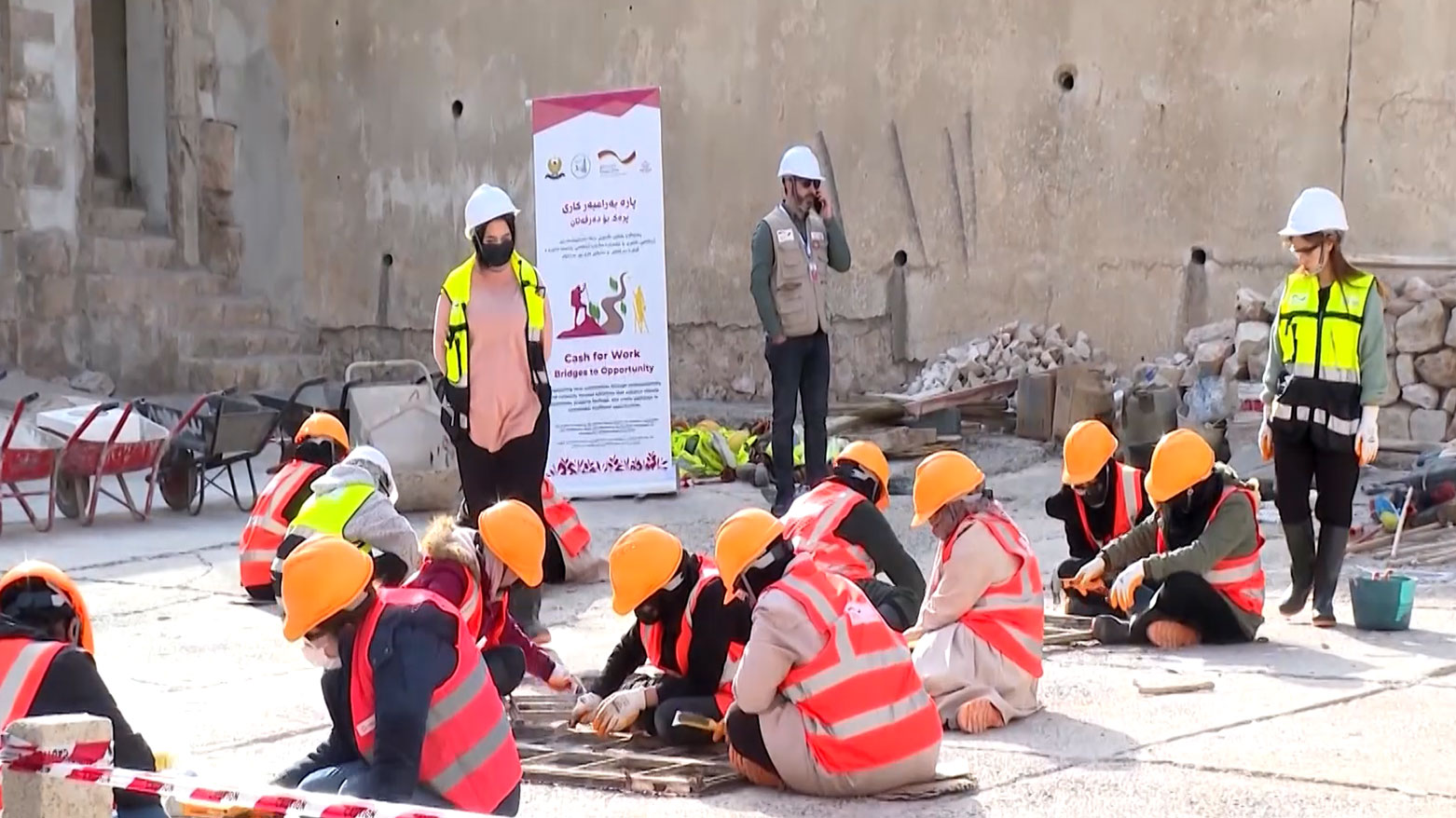
ERBIL (Kurdistan24) – Funded by Germany, the Akre Directorate of Antiquities and Heritage, in collaboration with the European country’s main development agency GIZ and a local NGO, is restoring the town’s main historical fort and transforming it into a museum for visitors.
Beginning with clearing the site, restoration work is currently underway at the more-than-a-century-old Qishla of Akre, which once served as a military fortress during the Ottoman Empire and remains one of the town’s most significant heritage sites.
The renewed restoration effort is part of a livelihood program titled Employment Prospects for the Socio-economic Integration of Refugees, IDPs, and Host Communities in Iraq (EPSI). The project is funded by the German Federal Ministry for Economic Cooperation and Development (BMZ) and is implemented by Deutsche Gesellschaft für Internationale Zusammenarbeit (GIZ) GmbH and The Lotus Flower, in cooperation with Akre’s Directorate of Antiquities and Heritage.
“We plan to turn this site into a museum to display the heritage and antiquities of Akre,” said Hiwa Shamal, head of the town’s antiquities office, in an interview with Kurdistan24 on Tuesday.
The project goes beyond restoration work. It has created 90 job opportunities for local youth and residents currently working on the site, including women, people with disabilities, and displaced persons, according to Hawar Adil, a representative of The Lotus Flower.
The aim is to “preserve heritage sites and boost tourism,” Adil added.
Located in the center of Akre, Qishla derives from the Ottoman-era word Qashlagh, which refers to a military base or a place used to shelter troops, particularly during winter.
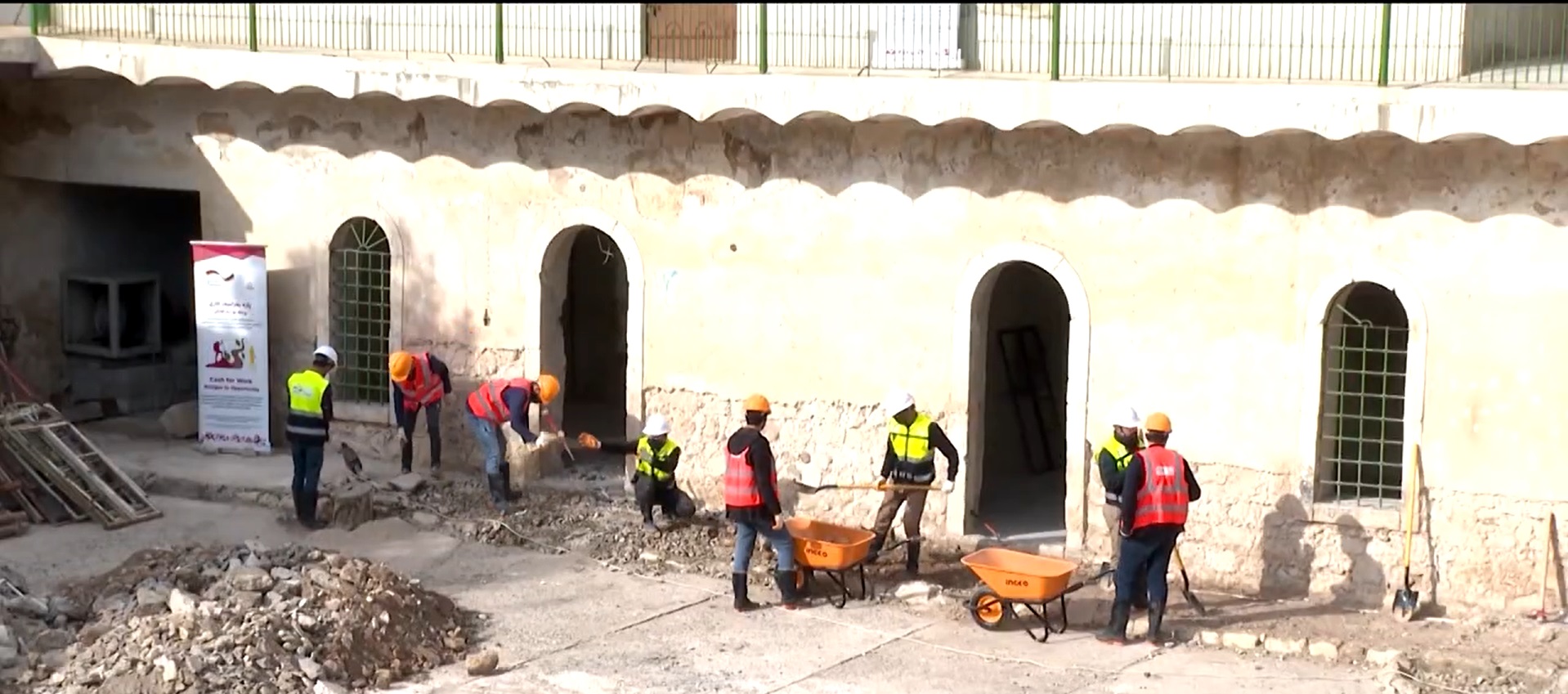
The structure consists of two floors and more than 30 rooms. Some of its walls are up to 40 centimeters thick, contributing to its resilience for at least 165 years.
The historic Ottoman fort was used and reused by successive British and Iraqi governments. It is one of several similar forts built by the Ottomans, comparable to those found in Sulaimani, Erbil, and Zakho.
Ottoman documents dating back to 1858 referenced the fort. However, the Director of Duhok’s Antiquities and Heritage, Bekas Jamaladdin Brifkani, believes it may be even older.
European travelers who visited Akre in 1878 also mentioned the fort in their writings.
In 2005, Akre’s antiquities office was established inside the fort. According to Brifkani, the site underwent renovation in 1933.
In 2013, new renovation efforts began but were soon halted due to the ISIS war and the subsequent financial crisis.
In mid-2021, the Kurdistan Regional Government’s (KRG) Ministry of Municipalities and Tourism allocated 166,128,700 Iraqi dinars (approximately $133,600) for the renovation of the fort. This funding was part of a broader 900 million dinar (approximately $615,000) budget allocated by Prime Minister Masrour Barzani to renovate and preserve important historical sites across the region.