Zakho Supervisor Reports $400 Million in Investment and Major Infrastructure Gains in 2025
Zakho Supervisor Gohdar Shekho reports $400 million in 2025 investments, 90% paved roads, and growth in tourism and industry under the Ninth Cabinet.
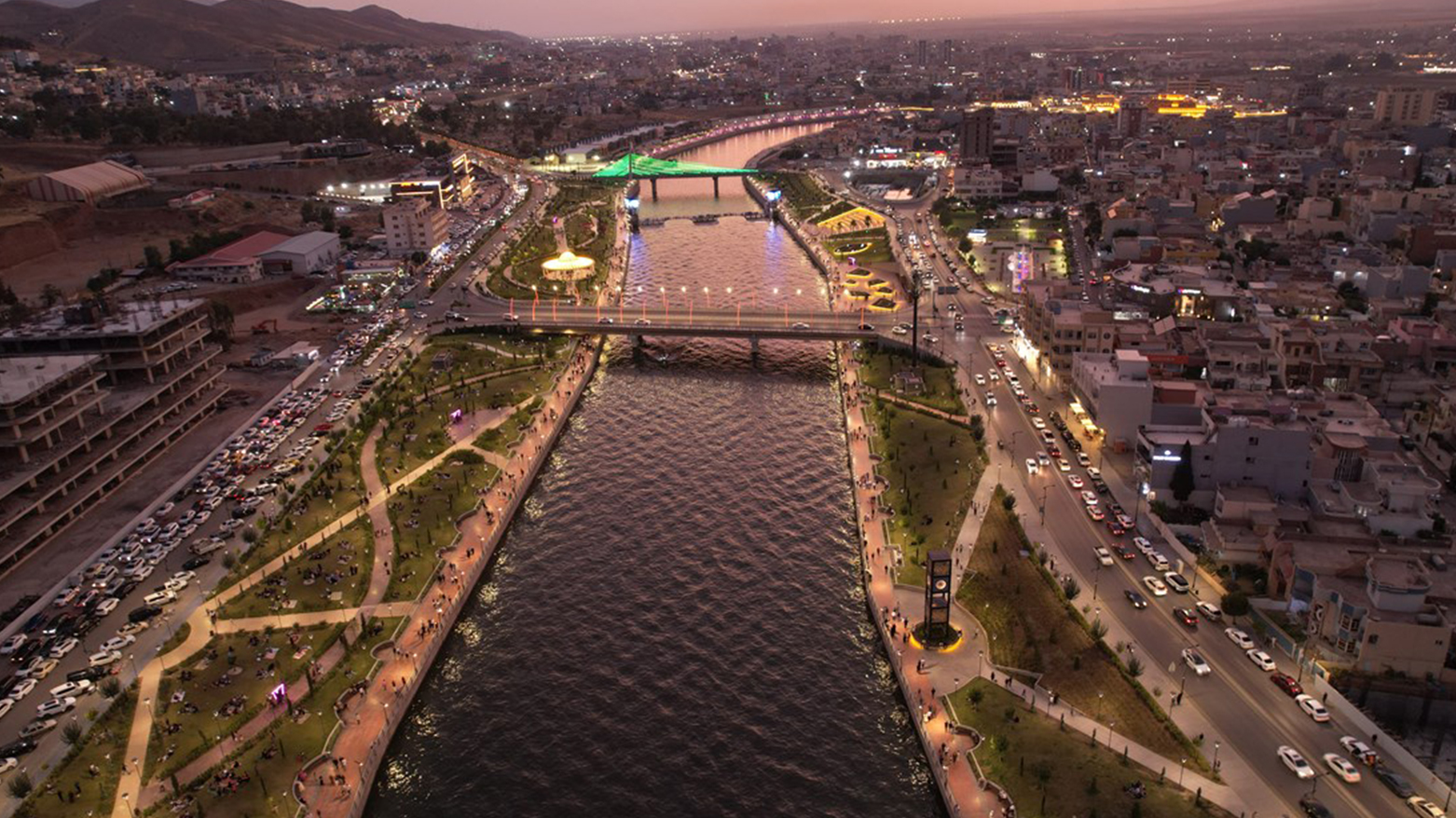
ERBIL (Kurdistan24) — The Zakho Independent Administration has attracted nearly $400 million in investments across diverse economic sectors throughout 2025, marking a significant period of infrastructure development and industrial expansion for the district.
Gohdar Shekho, the Supervisor of the Zakho Independent Administration, announced the figures on Wednesday, December 31, 2025, describing the past year as a pivotal timeframe characterized by the implementation of widespread service projects and a substantial overhaul of the region's road networks.
In a year-end assessment of the administration's performance, Shekho highlighted a broad portfolio of development initiatives undertaken in coordination with the Kurdistan Regional Government. He emphasized that the volume of capital injected into the local economy has been directed toward a variety of fields, reflecting a strategic effort to diversify the district's economic base beyond traditional sectors.
According to the supervisor, the influx of approximately $400 million in investment capital has been instrumental in reshaping the economic landscape of Zakho, directly impacting both government revenue streams and individual income levels within the population.
A central component of the administration's report focused on the dramatic transformation of Zakho’s physical infrastructure, particularly its road systems.
Shekho provided a stark statistical comparison between the district's current status and its condition prior to the formal declaration of the Zakho Independent Administration in 2021. The supervisor noted that, prior to that administrative restructuring, approximately 65 percent of the streets in Zakho were unpaved.
He added that even the streets that had been paved at that time were largely considered "very old and dilapidated," suffering from years of deferred maintenance and neglect.
However, following a concentrated push for urban renewal over the past few years, the situation has reversed.
Shekho reported on Wednesday that 90 percent of Zakho's streets are now paved. This infrastructure drive is ongoing, with the supervisor confirming that work continues on the remaining unpaved sections, which are scheduled for completion in 2026.
This comprehensive paving initiative is part of a larger package of more than 100 service projects that the administration has pursued under the Ninth Cabinet of the Kurdistan Regional Government, led by Prime Minister Masrour Barzani. Shekho praised the Prime Minister's role in facilitating these projects, which span critical sectors including water supply, electricity generation, education, and healthcare, in addition to the roadworks.
While most of these 100 service projects have already been fully implemented, the supervisor noted that a portion remains under active construction, signaling continued government activity into the new year.
Shekho described 2025 as a year "full of progress and projects," asserting that the period was defined by "achievements, advancement, and beauty" for the administration.
Beyond public works, the administration reported significant growth in the industrial and private sectors.
Shekho pointed to the opening of 40 new factories in Zakho as evidence of a burgeoning industrial capacity. These facilities, operating in various fields, represent a tangible outcome of the government's policy to encourage local production.
The supervisor explicitly linked these industrial and investment developments to the government's broader labor policy. One of the primary goals of the Kurdistan Regional Government’s investment incentives, he explained, is the provision of job opportunities for the region’s youth.
Shekho stated that the projects carried out in Zakho have successfully created employment for young people in the region. He argued that the implementation of such projects creates a dual economic benefit: it increases government revenue through commercial activity while simultaneously raising individual income levels by reducing unemployment. This economic cycle has been further bolstered by a resurgence in the tourism sector.
The supervisor observed that hotels and restaurants throughout Zakho are currently operating at full capacity due to an influx of tourists, a trend driven in part by various festivals held in the district.
The economic impact of this tourism boom extends beyond the hospitality businesses themselves.
Shekho noted that the high occupancy rates in hotels and restaurants generate significant revenue for the private sector, which in turn compels the local workforce to increase productivity. Furthermore, he suggested that these events serve a marketing function, allowing Zakho to be "more recognized" as a destination, which subsequently creates additional job opportunities for residents.
The administration’s year-end report also shed light on specific developments in the agricultural sector, identifying legume cultivation as a strategic area of growth.
Shekho revealed that a specialized company is currently operating in Zakho to develop this sector, with production already underway. He cited research indicating that Zakho possesses the "best land" for cultivating legumes, a finding that has underpinned the company's operations.
Looking toward the future of this agricultural initiative, the supervisor outlined a strategic plan established by the company to coordinate directly with local farmers.
This partnership aims to assist farmers in raising the quality of their yields to meet industrial standards. The plan includes the marketing of these products through the company's own factory, which Shekho announced is scheduled to become operational in the near future. This vertically integrated approach is expected to further secure the agricultural supply chain in the district.
Shekho concluded his assessment by reiterating the transformative nature of the past year. By securing nearly $400 million in investments, paving the vast majority of the district's road network, and fostering growth in tourism, industry, and agriculture, the Zakho Independent Administration asserts that it has established a foundation for sustained economic stability.
With the remaining infrastructure projects slated for 2026 and new industrial facilities coming online, the administration views the developments of 2025 not as an endpoint, but as a critical phase in a long-term strategy of regional advancement.