Unidentified Missile Hits Area Near Mazzeh Military Airport in Damascus
Latest blast adds to series of unexplained incidents in a heavily secured district of the Syrian capital.
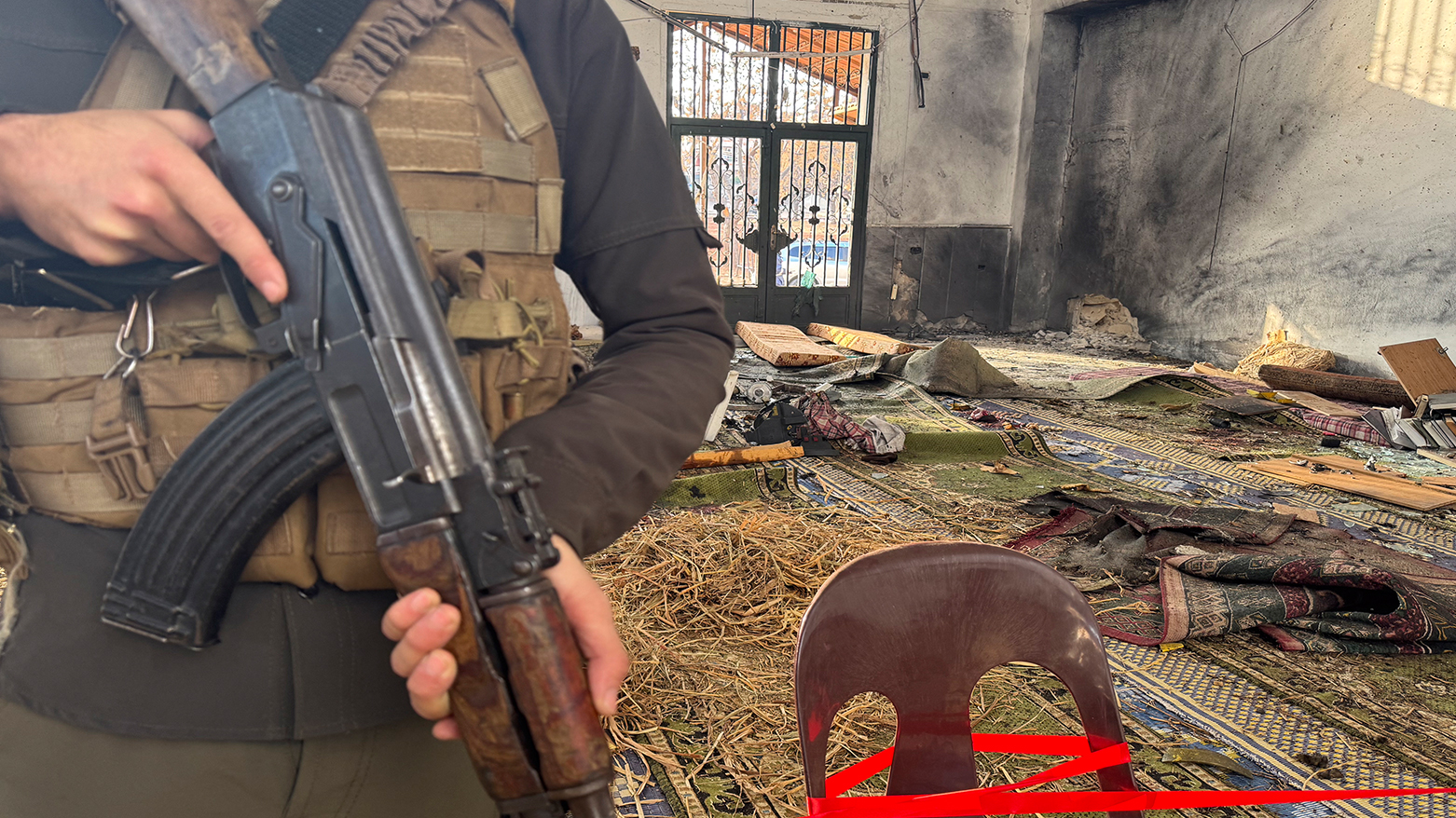
ERBIL (Kurdistan24) — An unidentified missile struck an area near Mazzeh Military Airport in the Syrian capital, Damascus, on Saturday, Syrian state media reported, marking the latest in a string of unexplained explosions in one of the city’s most sensitive security zones.
Syria’s official SANA news agency quoted a security source as saying the missile landed near the military airport without causing casualties or material damage, adding that authorities were still verifying the nature of the explosion.
Residents in the Mazzeh district reported hearing a loud blast, prompting renewed concern among locals already accustomed to intermittent security incidents.
The incident follows another explosion heard on Monday in the same vicinity, which official media attributed to “military exercises,” without providing further details.
Syrian authorities have not clarified whether the two events are connected.
Mazzeh has witnessed repeated unexplained explosions in recent months. On December 9, SANA cited a military source saying that the surroundings of Mazzeh Military Airport were targeted by three unidentified projectiles, again without casualties or damage.
Earlier, on November 14, a woman was injured when a rocket struck a house in the area. That attack was carried out using rockets launched from a mobile platform, according to state media, though those responsible were not identified.
Mazzeh is among Damascus’s most strategically significant neighborhoods, hosting military installations, security facilities, and diplomatic missions. The military airport located there has long been associated with elite units and intelligence branches, making the area a focal point for heightened security.
Over the years, Damascus and its suburbs have periodically been hit by projectiles and airstrikes amid Syria’s prolonged conflict, which began in 2011. While the intensity of fighting in the capital has declined compared to earlier stages of the war, sporadic attacks and unexplained explosions continue to underscore the fragility of security in the city.
Syrian authorities frequently refrain from identifying perpetrators in such incidents, particularly when no casualties are reported. Analysts say the lack of attribution may reflect the complexity of the security environment, where incidents can stem from a range of sources, including misfired munitions, cross-border spillover, or covert attacks tied to broader regional tensions.
The recent blasts come amid heightened regional volatility, with Syria remaining a theater for overlapping military interests involving state and non-state actors. Israeli airstrikes have periodically targeted military sites in and around Damascus in recent years, though Syrian officials typically distinguish those strikes from unexplained projectile incidents such as those reported in Mazzeh.
For residents of the capital, the recurring explosions — even when they cause no casualties — serve as a reminder that Damascus remains exposed to instability more than a decade after the conflict began, with authorities offering limited information as investigations continue.