Investigations Reveal Multi-Million Dollar Losses and International Aviation Risks at Iraqi Airways
Report Exposes Mismanagement in Iraqi Airways, Raising Safety and Financial Concerns
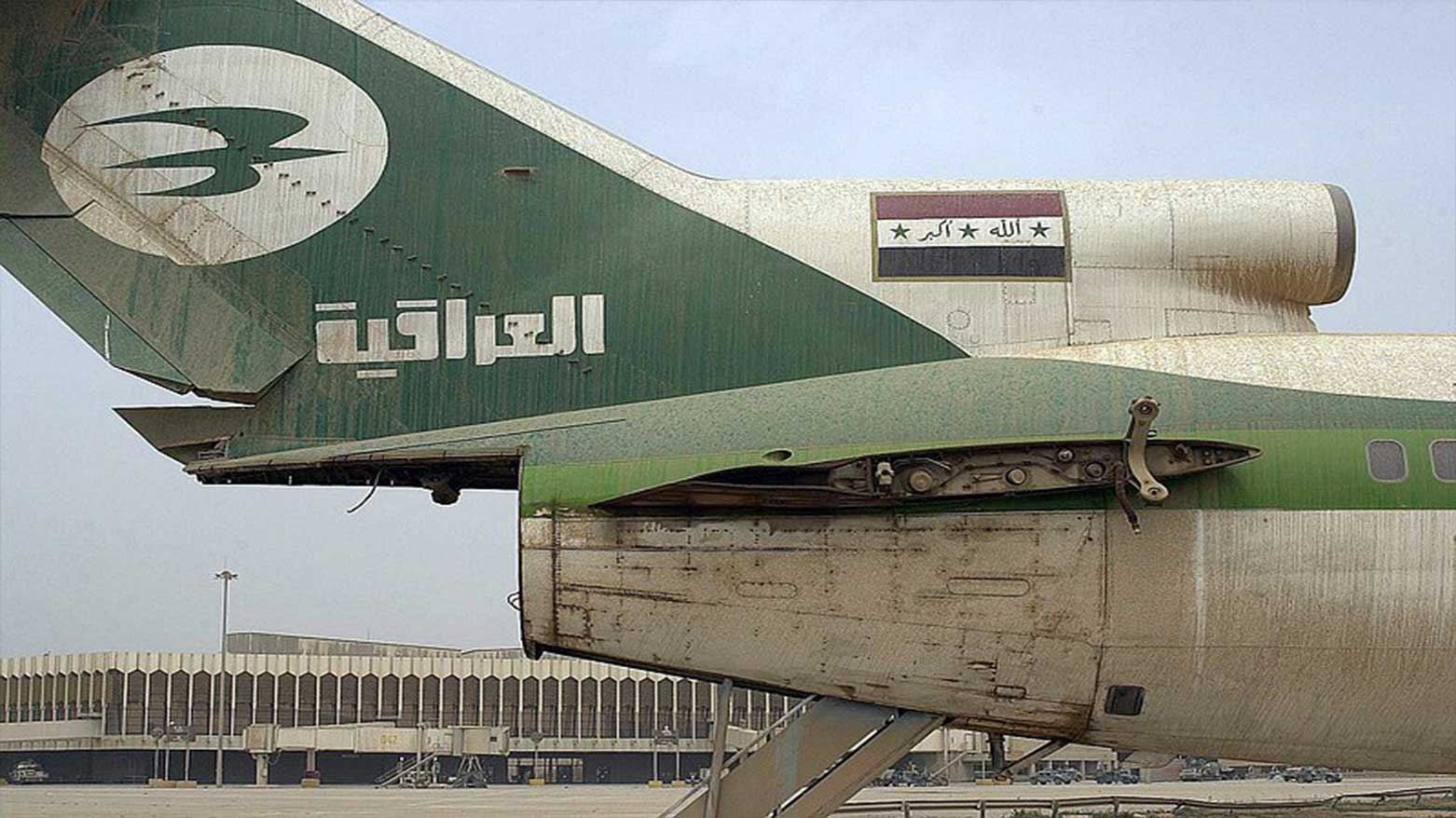
ERBIL (Kurdistan24) — A newly released report has exposed serious mismanagement and corruption within Iraqi Airways, revealing that millions of dollars were wasted on inefficient maintenance contracts and raising questions about the airline’s operational safety.
According to sources at Baghdad International Airport, who spoke to Kurdistan24 on Wednesday, the Iraqi Airways administration had approved Ministerial Resolution No. 855 of 2024, which specifically required aircraft repairs and maintenance to be conducted by internationally certified companies under clause 4-A-B.
However, documents indicate that the airline entered into contracts with a company identified as Level Aero, whose international accreditation status remains unclear, as it has not been verified through a dedicated investigation or direct outreach to the company.
Costs for maintenance of each jet engine ranged from $12 million to $14 million, with $60 million reportedly paid upfront for fixing only four planes' jet engines — a figure observers called “excessive and suspicious.”
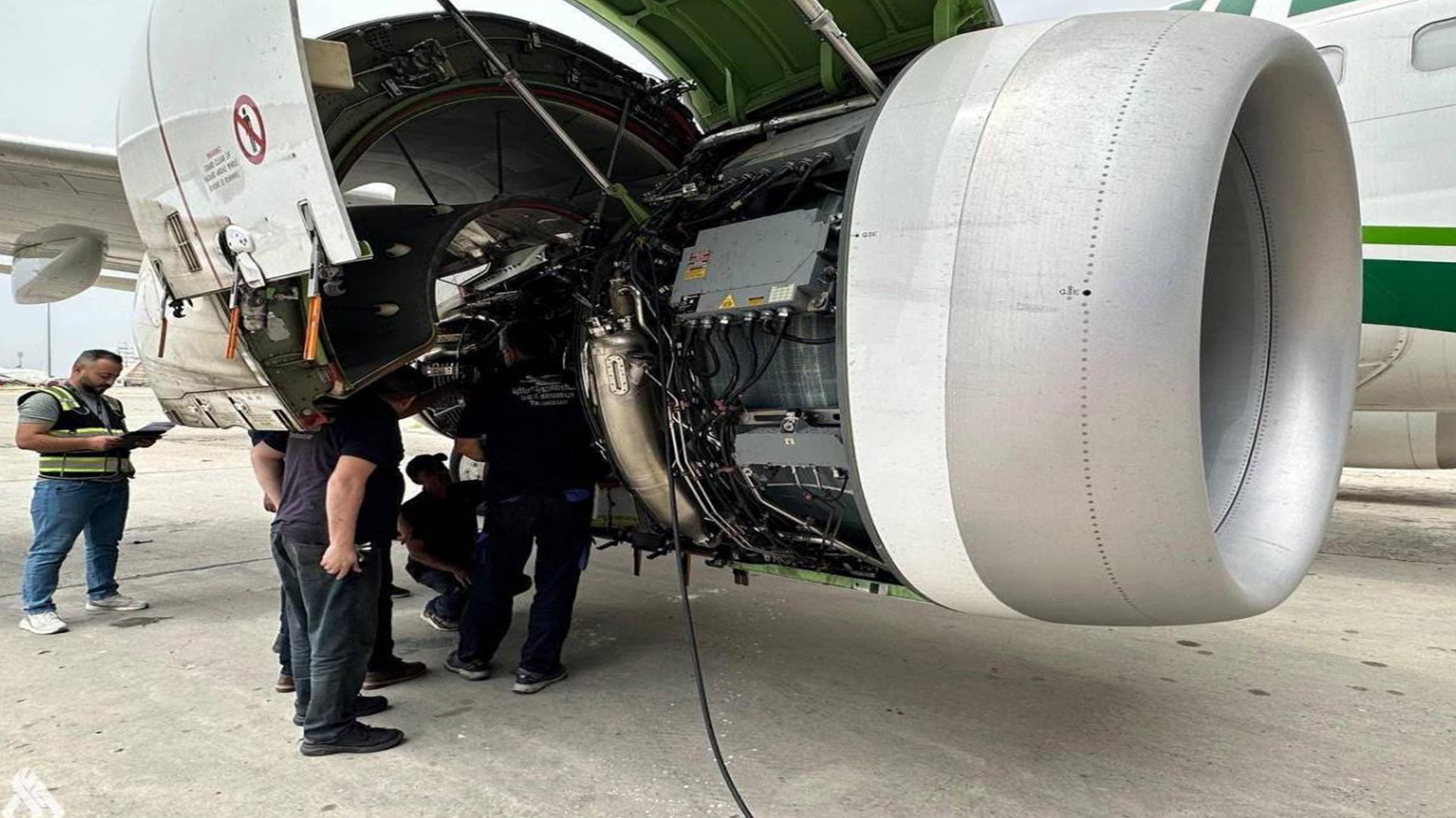
As a result of this mismanagement, 25 Iraqi Airways planes are currently out of service. Sources added that the airline’s administration engaged in systematic swapping of parts between aircraft, creating a scenario in which even planes undergoing repairs remain unfit for flight.
The report highlights the broader consequences of these practices, warning that Iraq cannot currently meet international aviation safety standards. This has prompted continued European aviation restrictions on Iraqi national carriers.
Experts note that the financial losses are significant, but the damage extends beyond the treasury: the airline’s international reputation has been jeopardized, creating long-term risks for Iraq’s aviation sector.
Iraq’s struggles with mismanagement and corruption are not new. Decades of political instability, wars, and weak institutional oversight have contributed to chronic inefficiencies across public sectors. From the oil ministry to public infrastructure projects, reports have repeatedly revealed the diversion of funds, inflated contracts, and embezzlement.
In the aviation sector specifically, repeated failures in maintenance, procurement, and regulatory compliance have left Iraq dependent on foreign audits and inspections.
Previous attempts to modernize Iraqi Airways have been hampered by a lack of transparency, partisan appointments, and limited accountability, resulting in repeated delays in fleet renewal and safety upgrades.
Observers argue that unless structural reforms and strict adherence to international standards are implemented, similar cases of financial and operational mismanagement will continue to undermine Iraq’s public institutions and international credibility.
The latest revelations serve as a stark reminder of the systemic challenges Iraq faces in managing strategic national assets and ensuring both fiscal responsibility and operational safety.