Anbar Enters Second Week Without National Power as Generator Prices Surge
Anbar faces a total power outage, driving generator prices to 30,000 dinars per ampere. Residents blame mismanagement and gas flaring, while the KRG's Runaki Project offers a model for 24-hour power.
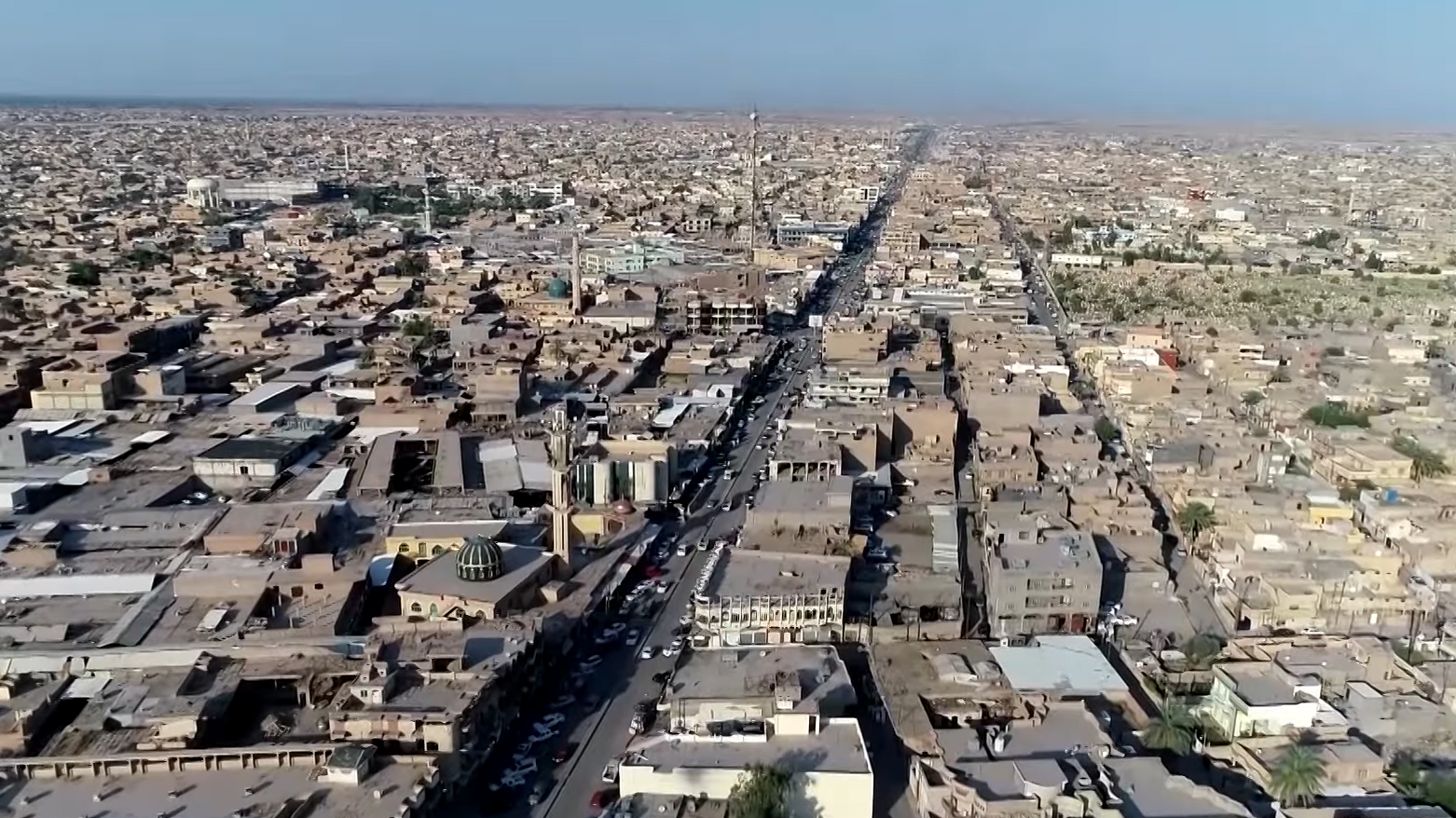
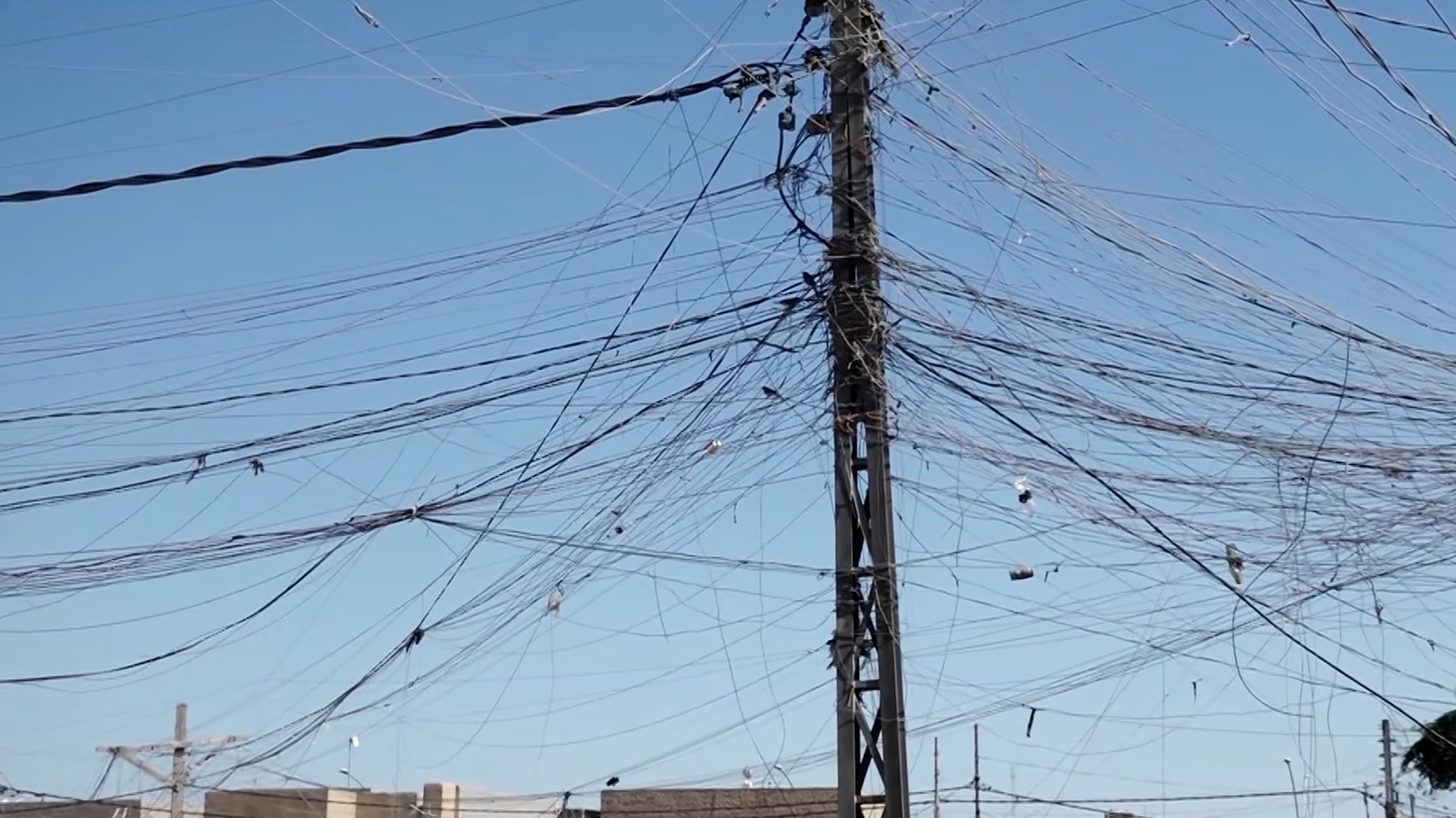
ERBIL (Kurdistan24) — The cities of Anbar Governorate have entered their second week of a complete national electricity outage, a systemic failure that has forced residents to rely entirely on private generators and driven the price of a single ampere of electricity to the threshold of 30,000 Iraqi dinars.
The blackout has exacerbated the financial strain on low-income families and ignited widespread resentment across the province, highlighting a deepening crisis in Iraq’s energy sector even as the Kurdistan Region moves toward 24-hour coverage through public-private partnerships.
The total cessation of the national electric current in Anbar has produced a deteriorating standard of living, according to local reports.
With the state-run grid offline, the "ampere" system—a subscription-based model for private generator access—has become the sole source of power for households and businesses.
The resulting price surge to 30,000 dinars per unit has led to complaints that the cost of basic energy is burning through the budgets of citizens, prompting calls for an end to the country’s dependence on imported gas and the development of sustainable local solutions.
In the city of Ramadi, the impact of the outage is being felt acutely.
Abu Mustafa, a resident affected by the crisis, expressed indignation at the situation, noting that electricity has become a concept known "by name only" to the local population. Speaking to Kurdistan24, he highlighted the disconnect between the new pricing structure and the economic reality of the average household.
"Generator owners have raised prices to 30,000 dinars per ampere. From where does the simple citizen get this money?" he asked.
He further questioned the absence of effective government intervention, articulating the frustration of many regarding how an oil-rich country remains "unable to light the homes of its people."
The crisis in Anbar is not merely a temporary disruption but is viewed by residents as a symptom of structural mismanagement.
Abu Arkan, another citizen, described the situation as a dilemma for a nation "floating on a sea of oil and gas." He criticized the fact that daily life is brought to a halt due to shortages of imported fuel.
"Is it reasonable that there is no alternative to Iranian gas?" he asked, pointing out that Iraq possesses "immense gas wealth" that is currently being flared in the atmosphere rather than being invested to serve the population.
However, the operators of the private generators, who are now the primary providers of power in the governorate, argue that they are equally victimized by the lack of state support.
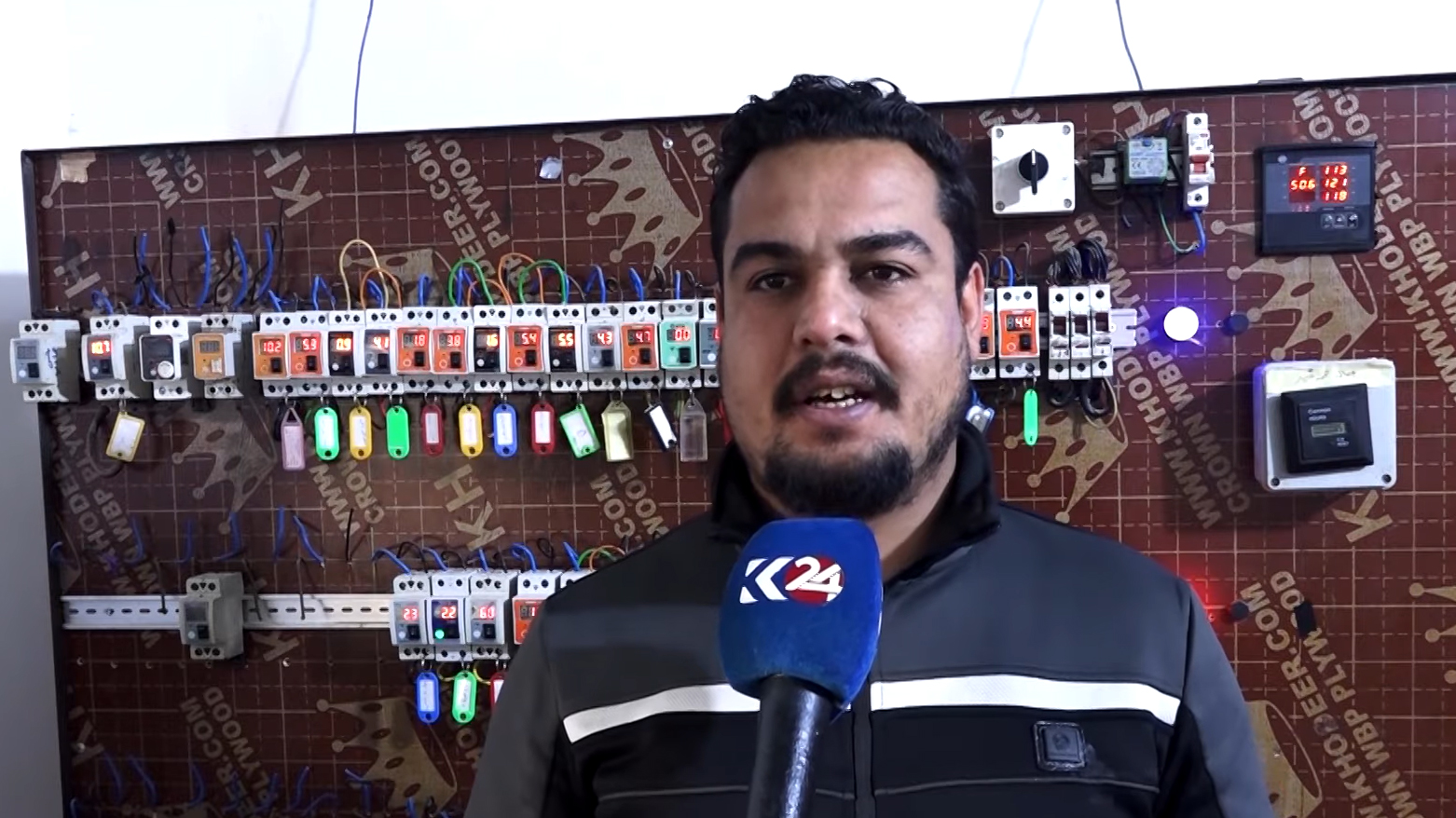
Omar Abdul Rahman, a private generator owner, defended the price increases, citing the lack of government-subsidized fuel. He noted that the operation of the grid for the current month has fallen entirely on private shoulders due to the absence of national electricity.
"The citizen sees the pricing as expensive, but he does not know that the government fuel quota does not cover half the operating hours," Abdul Rahman said, adding that taxes imposed on operators further drive up the cost. He called on the government to increase the gas oil quota to mitigate the operational expenses.
The electricity sector in Iraq faces a significant gap between production capacity and actual consumption needs.
Data indicates that the country requires approximately 35,000 to 40,000 megawatts to cover total demand. In contrast, actual production fluctuates between 20,000 and 24,000 megawatts. This deficit is compounded by a major dilemma regarding fuel sourcing; Iraqi generation stations rely heavily on gas imported from Iran.
This supply chain is subject to frequent interruptions due to technical reasons or complications related to payment debts. Simultaneously, the country flares "associated gas" from oil extraction in huge quantities, a practice that results in the loss of billions of dollars annually that could otherwise be invested in energy generation.
While the governorates of central and southern Iraq struggle with these deteriorations, the Kurdistan Region has reported advanced strides in resolving the energy crisis through the "Runaki Project," or "Light" project.
Launched by Prime Minister Masrour Barzani and the Kurdistan Regional Government in cooperation with the private sector, the initiative aims to provide electricity to citizens 24 hours a day.
The Runaki Project operates on a model distinct from the generator-dependent systems found elsewhere in the country.
It relies on "smart meter" technology and the strict regulation of electrical loads. In exchange for consistent service, consumers pay a studied financial tariff.
The goal of the project is to completely relieve citizens of the burden of private generators, eliminating the associated noise pollution and the fluctuating, often prohibitive costs that characterize the "ampere" market in Anbar.
According to reports, the project has already succeeded in model areas across Erbil, Duhok, Sulaimani, and Halabja.
Proponents of the initiative argue that it has proved that energy stability is possible through correct management and effective partnerships with the private sector.
Economic experts have cited the Runaki Project as a viable template, demanding that the model be generalized in the rest of the Iraqi governorates to end the era of the "Ampere" that has depleted the budgets of Iraqi citizens for decades.