Kurdish Offer to Withdraw from Aleppo Amid International Pressure
Ilham Ahmed said Kurdish forces are ready to move from Sheikh Maqsud to the eastern Euphrates, as US, regional, and European diplomacy intensifies to de-escalate clashes in Aleppo and revive stalled political agreements.
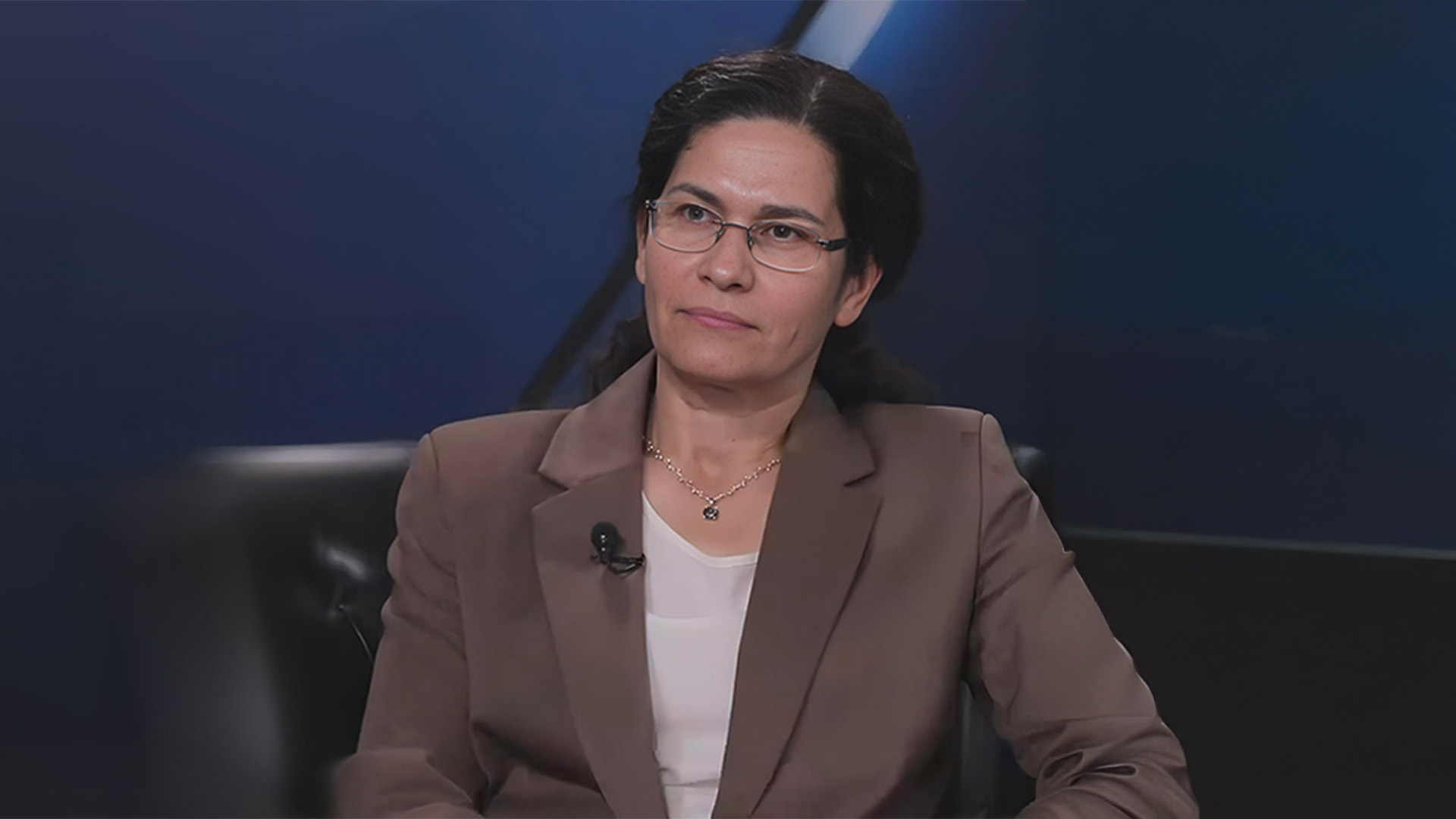
ERBIL (Kurdistan24) - Ilham Ahmed, Co-chair of the Department of Foreign Relations of the Democratic Autonomous Administration of the North and East Syria Region. said Kurdish forces are prepared to relocate from Sheikh Maqsud toward the eastern Euphrates, signaling a readiness to take steps aimed at easing tensions following days of intense clashes in Aleppo’s Kurdish neighborhoods.
Ahmed’s remarks come as fighting and political pressure converge around Sheikh Maqsud and Ashrafiyeh, placing the future of local arrangements and broader dialogue between Kurdish forces and Damascus under renewed scrutiny.
In her statement, Ilham Ahmed indicated that Kurdish forces are ready to be moved from Sheikh Maqsud to the eastern Euphrates, reflecting what she described as preparedness to respond to political and security developments on the ground.
Her comments were made against the backdrop of escalating clashes in Aleppo, where Kurdish-majority districts have witnessed heavy confrontations, triggering diplomatic engagement at the regional and international levels.
The developments followed an American, international, and regional pressure, as diplomatic efforts intensified to halt the violence.
On Friday, US President Donald Trump publicly voiced concern over the deteriorating security situation in northern Syria, calling for an immediate end to the clashes between Syrian government forces and the Syrian Democratic Forces (SDF) in Aleppo. Speaking at the White House, Trump said the United States maintains relations with both sides and wants to see the fighting stopped, stressing his desire for peace and stability in Syria.
His remarks coincided with heightened diplomatic activity involving Washington, Erbil, and European capitals, aimed at containing the violence that has affected Sheikh Maqsud and Ashrafiyeh since January 6.
As part of these efforts, President Masoud Barzani and Ambassador Tom Barrack, the US Ambassador to Türkiye and President Trump’s Special Envoy for Syria, held a telephone conversation in which they discussed the crisis and emphasized the urgent need for de-escalation and serious steps toward security and stability, according to a statement from Barzani Headquarters.
In parallel, President Barzani also spoke by phone with Syrian President Ahmed al-Sharaa, who reaffirmed that Kurds are an indigenous and main component of the Syrian people and pledged full commitment to guaranteeing their national, political, and civil rights without discrimination. President Barzani welcomed these assurances and reiterated the importance of inclusive governance in Syria.
European engagement followed as well. Tobias Tunkel, Germany’s Special Envoy for Middle East Affairs, held a phone call with Mazloum Abdi, commander-in-chief of the SDF, expressing deep concern over the violence and urging an immediate halt to the fighting. Tunkel stressed the need to implement the March 10, 2025 agreement signed by President al-Sharaa and Mazloum Abdi, which provided for a nationwide ceasefire, the integration of civilian and military institutions in northern and eastern Syria into state structures, and recognition of Kurdish rights.
The implementation of that agreement has stalled, particularly after Damascus submitted a proposal to integrate SDF forces into three military divisions, a process that was under discussion when the latest hostilities erupted. The United Kingdom and France also voiced concern over the escalation in Aleppo’s Kurdish neighborhoods.
Against this complex diplomatic and military backdrop, Ilham Ahmed’s statement underscores Kurdish readiness to adjust deployments as international efforts intensify to prevent further escalation and revive stalled political arrangements.