Iraq Faces Surge in Bank Card Fraud, Experts Point to Insider Access
Iraqi citizens face rising bank card fraud, with experts accusing Qi Card employees of using internal data to steal funds. Victims report unauthorized loans and transfers, eroding trust in banks.
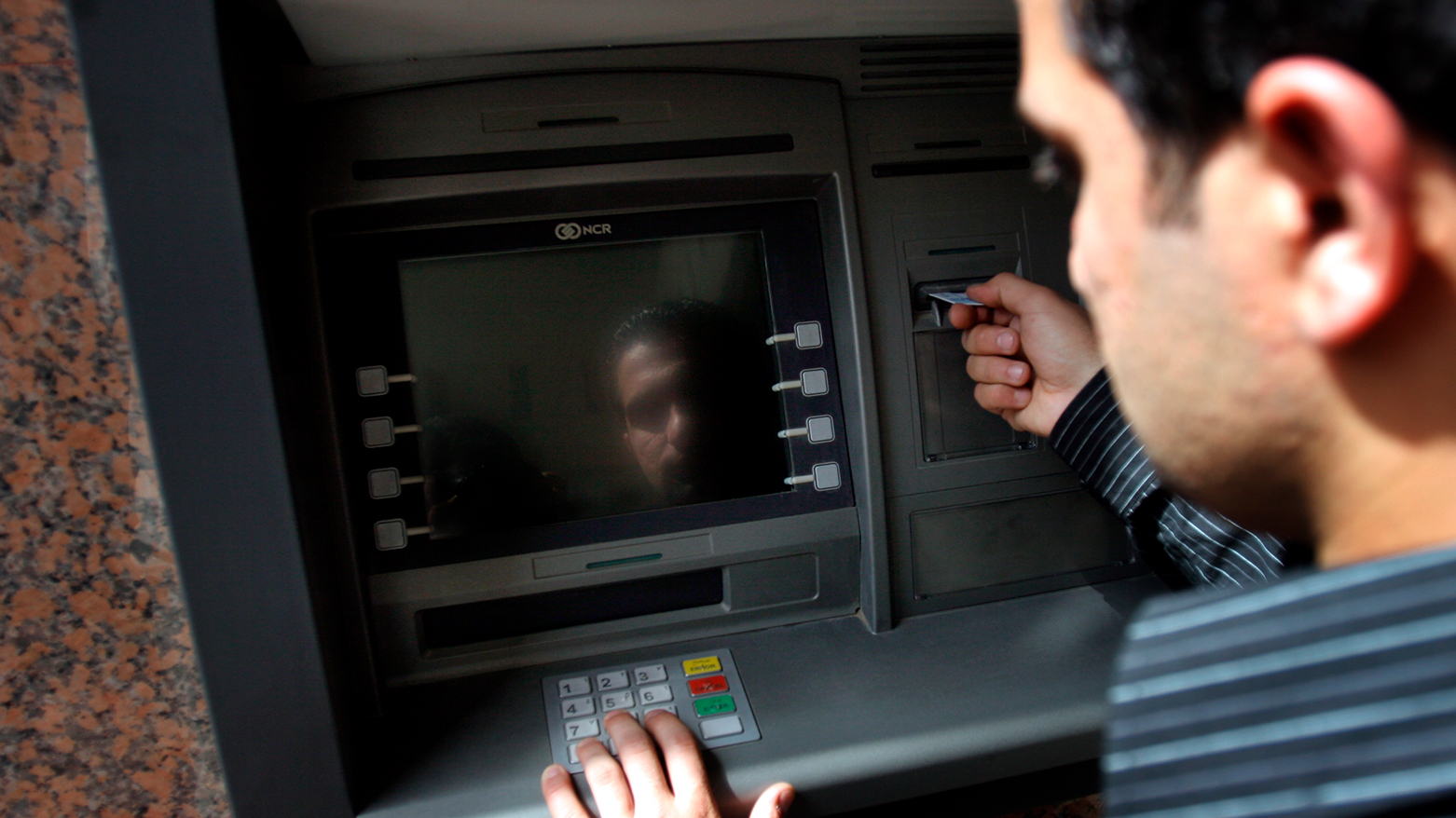
ERBIL (Kurdistan24) - A rising wave of financial fraud targeting holders of electronic bank cards has compromised the accounts of numerous Iraqi employees and citizens, prompting allegations from economic experts that insiders within the payment sector are exploiting internal databases to facilitate theft.
The surge in reported incidents, characterized by unauthorized withdrawals and the reactivation of expired credentials, has cast a shadow over the country’s digital banking infrastructure and sparked widespread concern regarding the security of personal financial assets.
According to reports surfacing from the Iraqi capital, a significant number of citizens have fallen victim to thieves, forgers, and fraudsters who have managed to siphon funds directly via bank cards.
Scrutiny has centered specifically on cards prepared by the Qi Card company, a major provider of electronic payment services in the country.
Economists and financial experts monitoring the situation have directed accusations toward the employees of the company itself. These analysts state that individuals with privileged access to the bank card system are utilizing proprietary databases after their official working hours conclude to access and steal from the accounts of private citizens and public sector employees.
The electronic bank card, originally introduced to the Iraqi market to facilitate daily transactions and modernize the economy, is increasingly being viewed by the populace as a burden rather than a convenience.
The breakdown in security protocols has resulted in substantial financial losses for users who had placed their trust in the banking system.
Suhad al-Qaisi, a resident who fell victim to the scheme, detailed her experience in a statement to Kurdistan24. She expressed shock at discovering that her bank card, which had officially expired in 2021, had been reactivated without her consent.
Al-Qaisi reported that the reactivated card was subsequently used by unknown actors for transferring money and other unauthorized purposes.
She voiced a strong sense of betrayal regarding the service provider, asserting that the Qi Card company trapped users in a situation for which they bore no fault. "The Qi Card company does not protect anyone; it was supposed to protect its partners, but it made us targets for thieves, forgers, and fraudsters," al-Qaisi said.
Similar irregularities were reported by Murtaja Ka'bi, another victim of the fraud, whose financial stability was upended by a sudden depletion of funds.
Ka'bi recounted receiving an SMS notification on his mobile phone alerting him to a withdrawal of 1.5 million dinars. Prior to this transaction, his account balance stood at 2.5 million dinars. However, when he attempted to collect his salary following the notification, he discovered that his remaining balance had plummeted to a mere 316,000 dinars.
Upon visiting the bank to contest the discrepancy, officials informed him that the missing funds were attributed to an advance withdrawal—a loan Ka'bi insists he never requested or received.
The incident has left Ka'bi disillusioned with the regulatory environment.
He publicly criticized the apparent impunity with which these financial entities operate, stating that the company has proven itself to be "much stronger than the government." He expressed his grievances vocally, attributing his financial distress to the absence of a government capable of punishing the company for the alleged oversight.
Economic observers warn that the emergence and persistence of theft via bank cards is severely tarnishing the public's trust in banks. Dr. Safwan Qusay, an economist, addressed the structural implications of these crimes. "Such cases eliminate citizens' trust in banks," Dr. Qusay said.
He emphasized that the only viable solution to stem the crisis is the implementation of strict supervision over those working within these financial institutions. Dr. Qusay reiterated the accusation that the breach of trust originates internally, noting that "some of those employees, when they leave their work, use the databases for theft."
As fear regarding the security of bank cards settles among the population, particularly within the employee class that relies on them for salary disbursement, the narrative of insider threat continues to gain traction.
Experts maintain that the theft of employee funds is being orchestrated by parties within the Qi Card companies, creating a crisis of confidence that threatens to undermine the adoption of formal banking services in Iraq.
Kurdistan24 correspondent Seif Ali contributed to this report.