Economic Crisis Deepens as Iraq Struggles with Corruption and Overreliance on Oil
Ibrahim Saraj, an economic analyst, told Kurdistan24 that less than 10 percent of non-oil income ultimately reaches the government treasury.
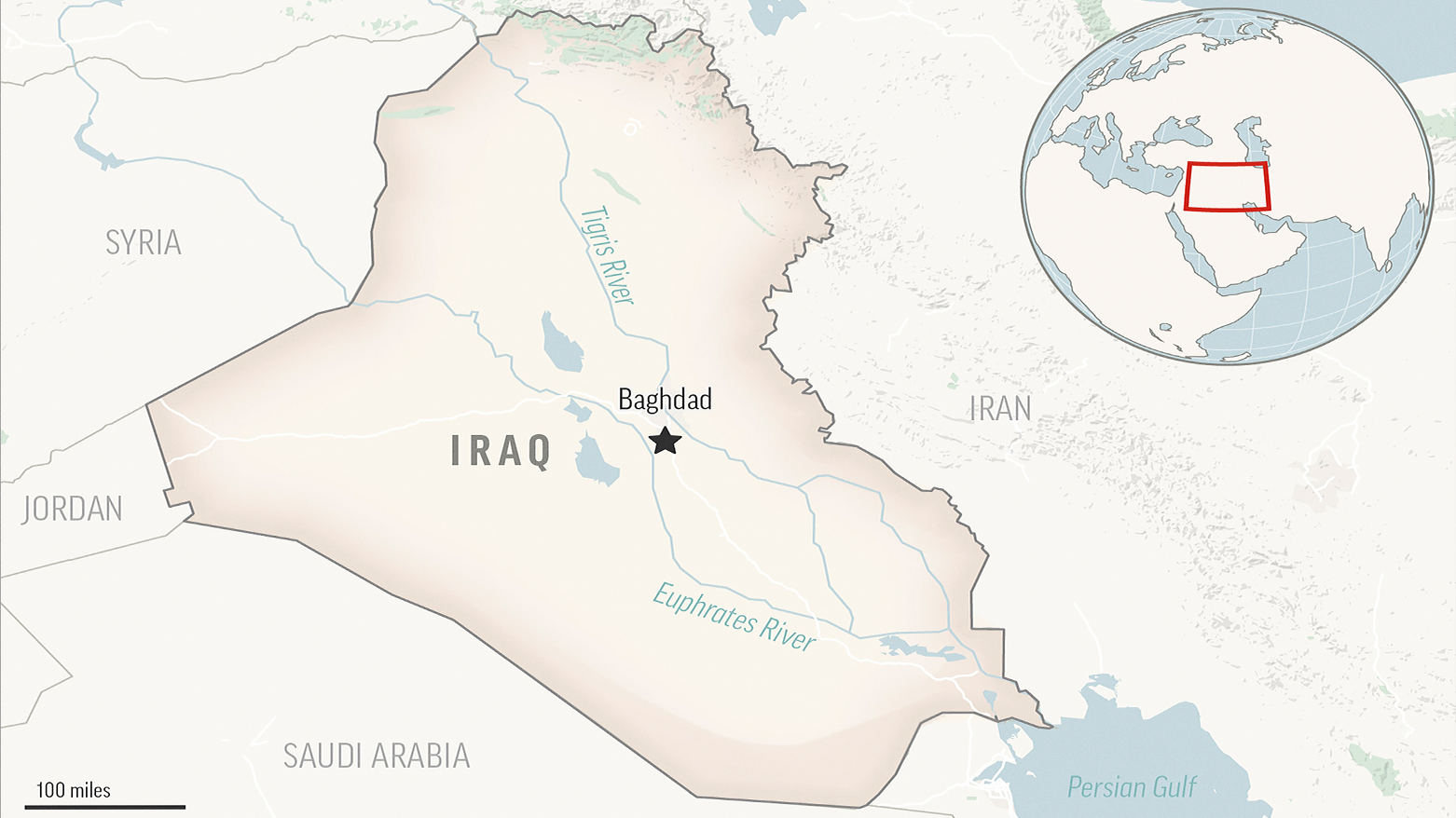
ERBIL (Kurdistan24) — Iraq’s economy is facing mounting pressure as deep-rooted corruption, weak governance, and an overwhelming dependence on oil revenues raise serious concerns about the country’s financial stability and future growth.
Despite generating more than eight trillion Iraqi dinars annually from non-oil sources, the Iraqi state fails to collect most of this revenue, according to economic analysts. Ibrahim Saraj, an economic analyst, told Kurdistan24 that less than 10 percent of non-oil income ultimately reaches the government treasury.
“The government is unable to control non-oil revenues, which exceed eight trillion dinars every year,” Saraj said, adding that corruption has allowed revenues to be diverted among various parties instead of supporting public finances.
Official data further underscores Iraq’s vulnerability. In 2025, oil revenues accounted for 89 percent of the country’s total income, leaving non-oil revenues at just 11 percent. This extreme reliance on oil has left the economy exposed to global price fluctuations, while efforts to diversify its income sources have remained largely ineffective. The World Bank has warned that Iraq should not expect non-oil revenues to exceed 26 percent of its budget under current conditions, highlighting the limits of existing economic policies.
Corruption and bribery continue to discourage investment, worsening the country’s economic stagnation. Iraqi investor Ghalib Fazli told Kurdistan24 that both domestic and foreign companies are reluctant to operate in Iraq due to widespread demands for bribes and informal profit-sharing.
“Oil revenues are barely enough to cover salaries because other revenue streams are extremely weak,” Fazli said. “Many local companies have shut down, and foreign firms are deterred by corruption and the lack of a secure business environment.”
Key sectors that could support economic diversification—including industry, agriculture, domestic production, trade, and tourism—are facing severe challenges. Poor infrastructure, limited investment, and policy instability have left these sectors underdeveloped, contributing to unemployment and economic uncertainty.
With non-oil revenues largely lost to corruption and productive sectors in decline, economists warn that Iraq risks deeper financial instability unless decisive reforms are implemented. As the new government takes office, critics argue that the absence of a clear and transparent economic vision continues to undermine confidence in Iraq’s ability to avert a broader economic crisis.