Akre Sees Surge in Tourism in 2025, Nearly 500,000 Visitors Recorded
Akre welcomed 496,233 tourists in 2025, up from 447,800 in 2024. Officials and business owners cite the need for better roads and services to support the KRG's goal of 20 million annual visitors.
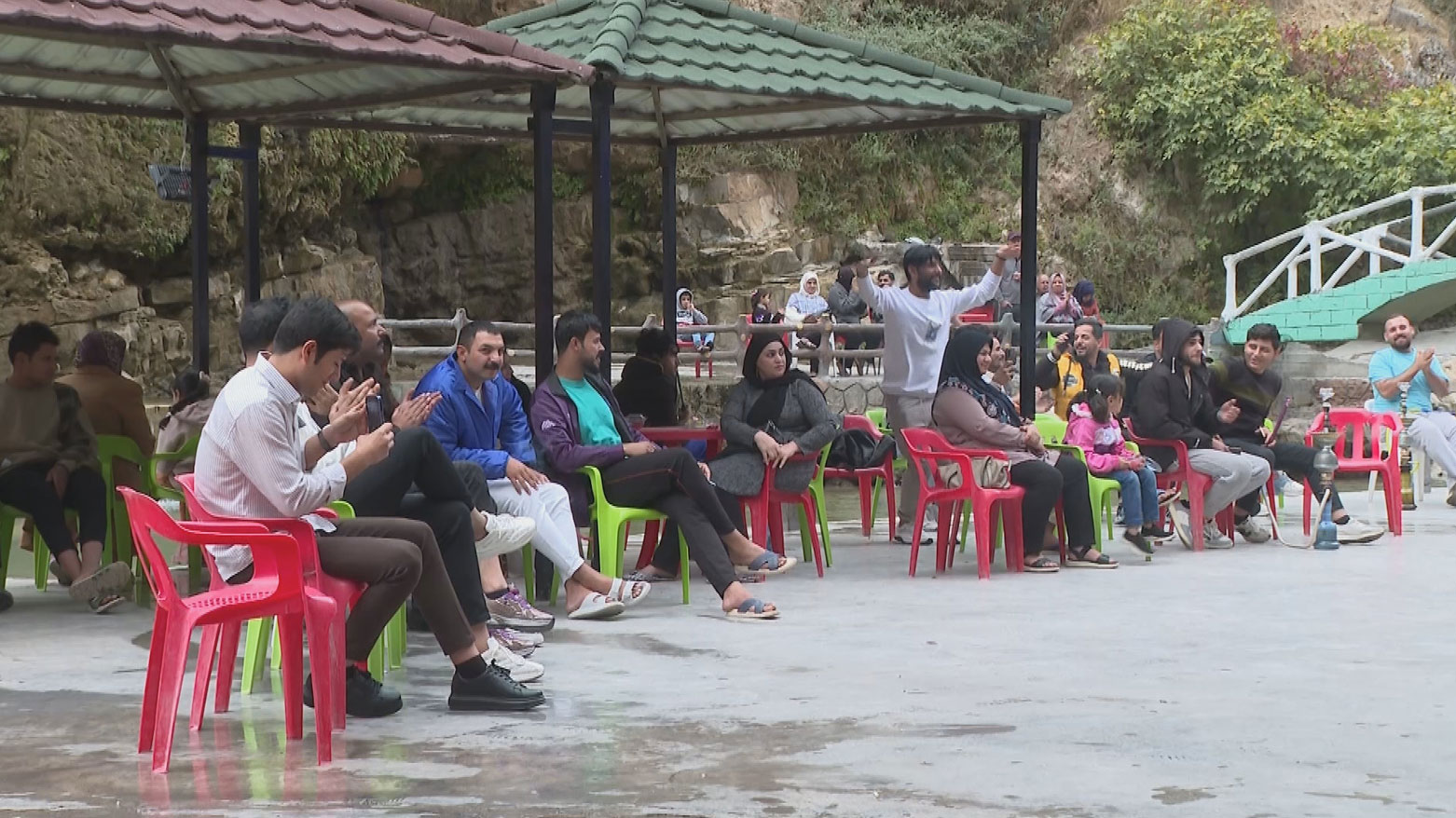
ERBIL (Kurdistan24) – The Akre District, a mountainous administrative area in the Kurdistan Region known for its topography and seasonal festivals, recorded a measurable increase in tourism traffic over the past year. According to data released by local authorities, visitor numbers climbed to nearly half a million in 2025, reflecting an upward trajectory that regional officials are seeking to sustain through continued infrastructure investments and development projects.
Statistics released by the Akre Tourism Directorate indicate that 496,233 tourists visited the district in 2025. This figure represents a significant expansion in visitor volume compared to the previous year, with 2024 recording a total of 447,800 arrivals.
The year-over-year growth suggests that the district remains a primary destination for travelers, drawn largely by the area’s natural environment and specific tourist sites that have become focal points for the local economy.
The influx of visitors has generated cautious optimism among local business owners and private sector operators who manage the district’s tourist areas. Pshtiwan Namiq, the owner of a prominent tourist site in Akre, told a Kurdistan24 reporter that the rise in foot traffic has been perceptible on the ground.
Describing the local approach to hospitality, Namiq noted that businesses in the area have adopted a tradition of welcoming guests with sweets and flowers, a symbolic gesture intended to encourage repeat visits and positive word-of-mouth.
Namiq attributed a portion of the sector's success to the intervention of the Kurdistan Regional Government (KRG). He stated that the government’s provision of facilities and general support has played a role in the increasing number of tourists.
However, he balanced this praise with a call for further development, emphasizing that the current infrastructure remains insufficient to meet the growing demand. "We still need the provision of more services," Namiq said, highlighting the pressure that increased visitor density places on existing amenities.
This sentiment regarding the gap between current capabilities and future potential was echoed by local government officials. Amin Salim, the Director of Akre Tourism, expressed satisfaction with the upward trend in the data but acknowledged that the district has not yet reached its full capacity.
"We, as [the Directorate of] Tourism, are very happy that the rate of tourists within the borders of Akre increases year by year," Salim stated. However, he qualified this assessment by noting that the current figures are "still not at the level of our ambition."
Salim frankly addressed the existence of operational and infrastructural shortcomings that continue to hinder the sector. He expressed hope that "in the coming years, the existing deficiencies will be resolved," pointing to a pipeline of development initiatives currently underway.
According to the Director, several projects are currently under construction within the district. These initiatives are expected to play an important role in resolving logistical problems and enhancing the capacity of the area to handle larger crowds in future seasons.
The strain on infrastructure has become a central topic of discussion as the rate of tourist arrivals rises annually. Owners of tourism projects in the district have increasingly voiced demands for enhanced public services to support their private investments.
Specifically, stakeholders are calling for improvements in the field of roads and other essential facilities, arguing that better transportation networks and public utilities are necessary to welcome guests more effectively and ensure the sustainability of the tourism boom.
The growth in Akre is occurring within the context of a broader strategic framework established by the Kurdistan Regional Government.
The KRG has attached special importance to the tourism sector as a means of diversifying the region's economy. The government has publicly outlined a long-term plan to increase the total number of tourists visiting the Kurdistan Region to 20 million per year.
Within this national framework, Akre is viewed as a key component of the destination portfolio. The implementation of new tourism projects in the area is part of the government’s effort to globalize the sector and reach the ambitious 20 million visitor target.
For the tourists themselves, the primary draw remains the district's aesthetic appeal. Visitors are frequently observed documenting the area’s captivating scenery, with souvenir photography becoming a staple activity at major sites.
The continued arrival of these groups has become a vital source of revenue and stability for local businessmen, even as they await the completion of the road and facility upgrades necessary to accommodate the next wave of growth.