Bashar al-Assad's Cousin: Actions in Aleppo’s Kurdish Neighborhoods are Catastrophic
Ribal Refet Assad told Kurdistan24 that actions by armed groups in Sheikh Maqsud and Ashrafiyeh are catastrophic and reflect a collapse of humanity, warning that stability in Syria is impossible without respect for rights, amid wider Alawite-Kurdish solidarity calls.
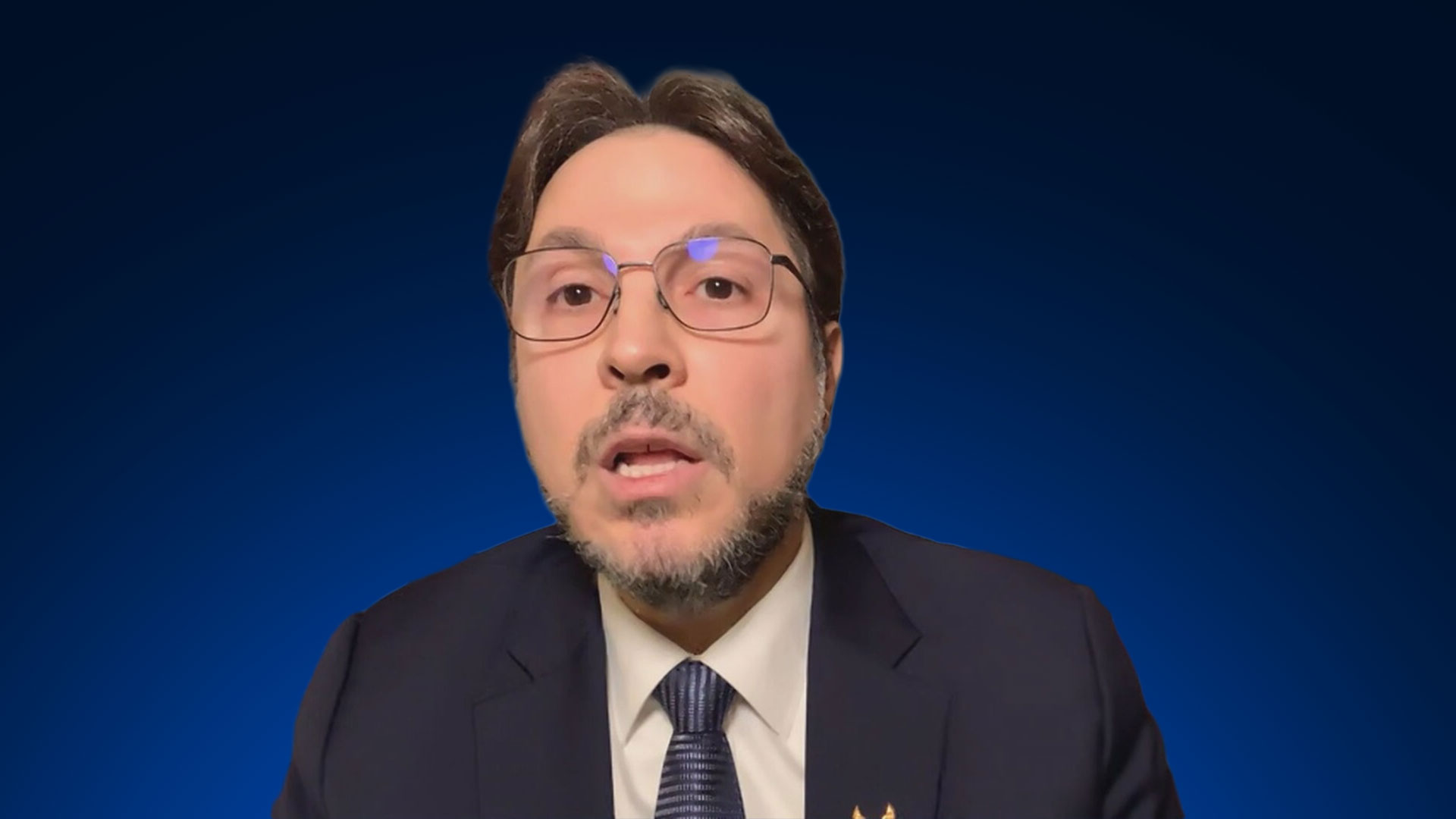
ERBIL (Kurdistan24) - Ribal Refet Assad delivered a stark warning on Kurdistan24, describing the scenes emerging from Sheikh Maqsud and Ashrafiyeh as catastrophic and emblematic of a deeper moral collapse within Syria’s armed landscape.
Ribal Refet Assad, Head of the Freedom and Democracy Organization, said that armed forces currently active in Syria have departed entirely from the principles of humanity, stressing that coexistence with such groups has become impossible due to what he described as their brutal conduct.
Assad, who is a cousin of the ousted Syrian President Bashar al-Assad, made the remarks during his participation in Kurdistan24’s program Basi Roj, where he spoke about the latest developments in Syria, with particular focus on the attacks targeting Kurdish neighborhoods in Aleppo and other areas.
Highlighting crimes he attributed to Syrian Arab armed forces, Assad said: “Until a few months ago, you saw how these forces slaughtered Alawites, killed women and children. No one can live with them, because they are outside the scope of humanity. A person who kills children based on identity and slaughters people—how can you trust them or live alongside them? This is impossible.”
Addressing the situation in Aleppo’s Sheikh Maqsud and Ashrafiyeh neighborhoods, Assad said the images coming from the area are catastrophic. He added, however, that given the mindset of these armed groups, such outcomes were foreseeable.
He also drew attention to videos showing women being thrown from buildings, saying these acts reflect savage behaviors learned in detention facilities and later inflicted on civilians.
Assad further criticized the interim government in Damascus, arguing that the attacks on Aleppo are intended to conceal its failures in southern Syria.
“There is no real decision-making inside Syria,” he said. “The current authority has no belief in the rights of components. Unless the mentality of these groups changes and respect for human rights and the rights of components is established, genuine stability in Syria will never be achieved.”
These statements come amid broader warnings from the Supreme Islamic Alawite Council in Syria and the diaspora, which declared full solidarity with the Kurdish people and voiced alarm over what it described as a systematic and organized campaign of violence across the country.
In a statement released on Friday, the council said Syria has witnessed rapidly escalating violations, including arbitrary detention, killing, burning, kidnapping, and brutal criminal attacks targeting Alawites, Kurds, Druze, and other components. It stressed that these acts are not isolated incidents but part of an organized pattern of terror, violence, and ethnic cleansing aimed at Syria’s indigenous communities.
The council cited the targeting of Kindi Hospital in Homs, where victims were exclusively Alawite civilians, and warned that the same pattern has expanded from Syria’s coast to Aleppo’s Ashrafiyeh and Sheikh Maqsud neighborhoods. It said these areas have been subjected to siege and continuous violations in what it described as attempts to forcibly displace Kurdish residents and impose a coercive demographic reality amounting to full ethnic cleansing.
Holding the de facto authorities fully responsible, the council warned that organized terror, hate speech, and impunity pose an existential threat to Syria’s core components and could trigger wider instability with regional and international repercussions.
The Alawite council declared full support for Kurds and Druze, affirmed the unity of their struggle, and called for immediate international intervention to protect civilians. It demanded a comprehensive ceasefire across Syria and an inclusive political process leading to a decentralized federal system that guarantees equal participation for all components under international supervision.
With warnings mounting from Syrian political and religious figures alike, the unfolding crisis in Sheikh Maqsud and Ashrafiyeh underscores growing fears that without a fundamental shift in governance and accountability, Syria’s violence will continue to deepen.