Iraq’s Budget Deficit Exceeds 24 Trillion Dinars as Expenditures Outpace Oil Revenues
Iraq's budget deficit topped 24.6 trillion dinars by October 2025 due to falling oil prices and high spending. The Eco Iraq Observatory reports revenues of 103tn dinars against 128tn in expenses.
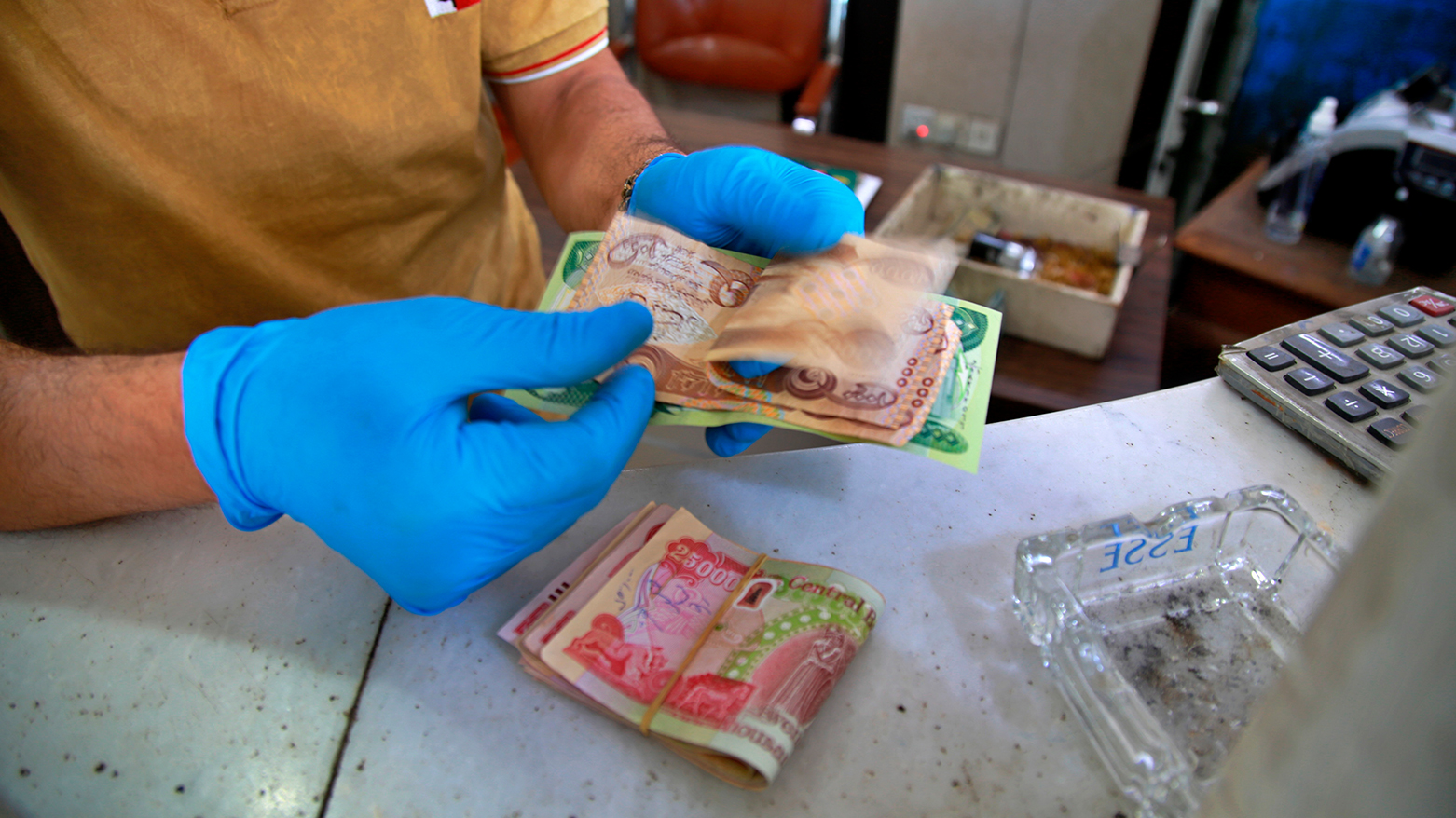
ERBIL (Kurdistan24) - Iraq’s financial deficit surpassed 24.6 trillion dinars through October 2025, a widening fiscal gap driven by a decline in global oil prices and sustained high levels of government spending, according to data released by the Eco Iraq Observatory.
The observatory announced that the state’s general revenue streams no longer possess the capacity to cover its ongoing expenses, signaling a significant imbalance in the nation’s accounts. As of the end of October 2025, the cumulative volume of the financial deficit had reached more than 24 trillion and 680 billion dinars.
The organization noted that this deficit figure is not static but is currently on the rise on a monthly basis, reflecting a structural disparity between the funds entering the treasury and the obligations being paid out.
Data provided by the Eco Iraq Observatory offers a detailed breakdown of the fiscal landscape during this ten-month period. The figures show that the total state revenue collected through October amounted to approximately 103 trillion and 514 billion dinars.
A granular examination of this revenue highlights the extent to which the Iraqi budget remains dependent on the energy sector.
Of the total income generated, approximately 93 trillion dinars was derived solely from oil revenue. In contrast, non-oil revenue sources contributed only slightly more than 10 trillion dinars to the total, underscoring the limited role of other sectors in financing the state budget relative to the dominant petroleum industry.
While revenue collection exceeded 100 trillion dinars, the observatory reported that total state expenditures during the same period were significantly higher.
Spending reached more than 128 trillion dinars, creating a substantial shortfall when compared against the gathered revenue.
This gap between the 103.5 trillion dinars in income and the 128 trillion dinars in outlays forms the mathematical basis for the reported deficit of nearly 25 trillion dinars.
The Eco Iraq Observatory issued a specific warning regarding the composition of these expenditures, pointing to the rigid nature of the state’s financial obligations.
The report characterized continuous expenditures, specifically salaries and public services, as creating a "heavy burden" on the country’s finances. According to the published data, an amount of 96 trillion and 378 billion dinars has been allocated specifically to these recurring operational costs.
This allocation for salaries and services represents the vast majority of the state's spending and absorbs nearly the entirety of the revenue generated from oil exports.
The observatory’s analysis indicates that the combination of these fixed high expenditures and the drop in oil prices has eroded the state's ability to balance its books, resulting in a deficit that continues to grow month over month.