Heavy Fighting Reported Near Shaddadi Prison Amid Security Tensions
Heavy clashes continue near Shaddadi Prison in northeastern Syria, which holds 3,000–5,000 ISIS detainees, including 2,000 foreign nationals. SDF forces are defending the facility amid multiple attacks, highlighting growing regional security risks.
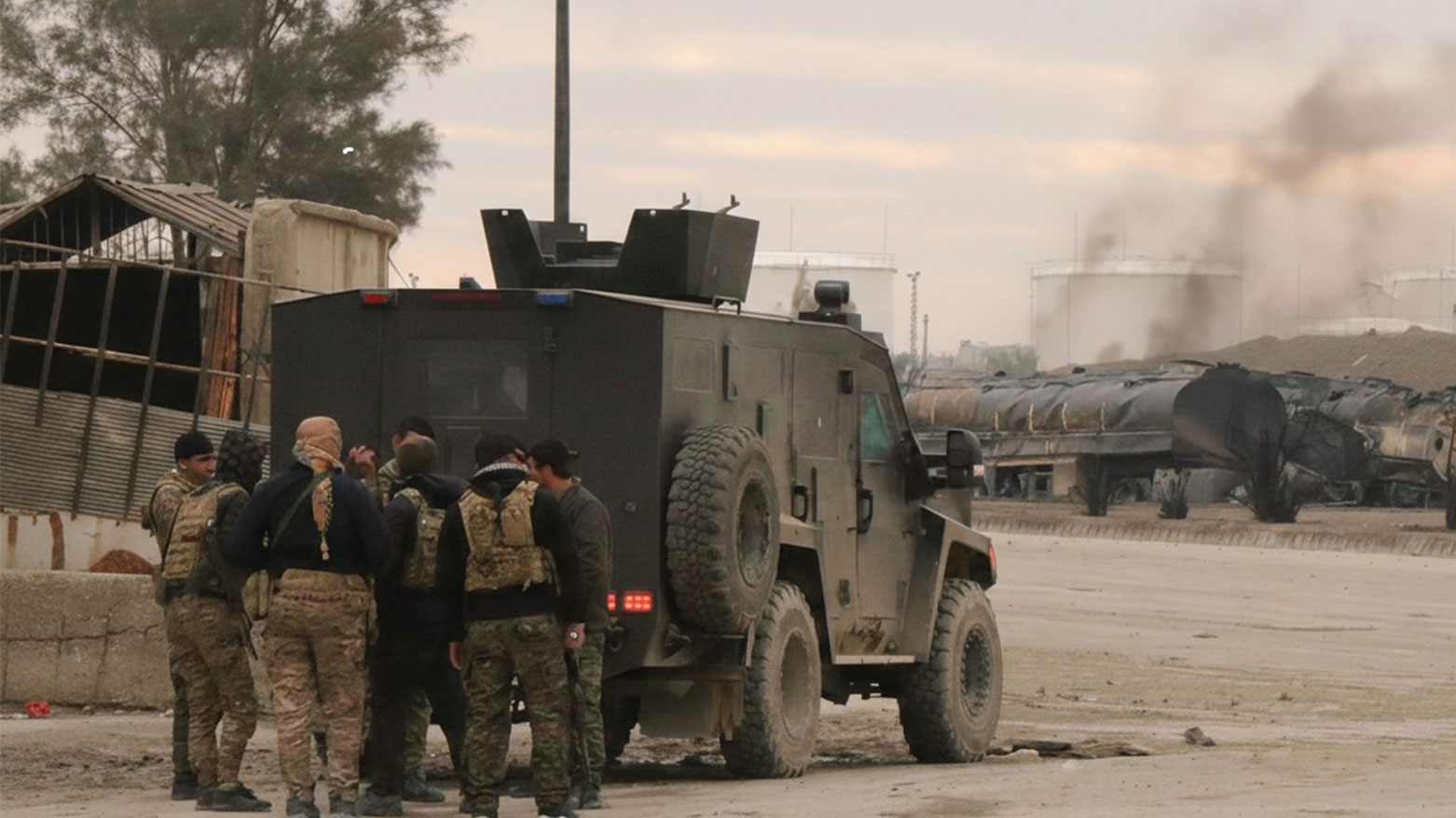
ERBIL (Kurdistan24) - Farhad Shami, Head of the Media Center of the Syrian Democratic Forces (SDF), reported on Monday, January 19, 2026, that heavy clashes are ongoing near Shaddadi Prison in northeastern Syria, a facility that houses thousands of ISIS detainees.
Shami stated in a post on the social network X that the prison’s vicinity has been attacked by armed groups, and SDF forces are actively engaged in protecting the facility. The attack comes amid a sensitive security situation, with the SDF facing pressure and multiple attacks on several fronts.
Shaddadi Prison, along with Ghwayran Prison, holds the largest number of ISIS gunmen in the region. Shaddadi alone detains between 3,000 and 5,000 prisoners, including Iraqi, Syrian, and nearly 2,000 foreign nationals from 58 countries. SDF and Coalition officials have repeatedly warned about the challenges of managing these prisons and have urged countries to repatriate their citizens, receiving limited responses.
The ongoing clashes highlight heightened security risks as regional instability grows, particularly concerning facilities holding large numbers of ISIS members.
The SDF's withdrawal from Deir ez-Zor and Raqqa has triggered a serious security crisis over the fate of thousands of detained Islamic State members in North and East Syria. The transfer of territorial control has raised urgent concerns about who will manage high-security prisons holding local and foreign ISIS fighters, including senior commanders and “Emirs.”
For years, these detention facilities—run by the SDF with International Coalition support—have been central to regional security, despite constant threats of riots, escapes, and external attacks. The changing control on the ground, coupled with attacks by Syrian government–aligned and extremist groups, has now created a dangerous security vacuum.
The report describes the situation as a “ticking time bomb,” recalling the 2022 ISIS attack on al-Sina’a prison as evidence of the risks. Analysts warn that any lapse could lead to mass escapes or renewed terrorist activity with regional and global consequences.
Possible scenarios include transferring control to the Syrian government, which raises doubts about its capacity, the fate of foreign fighters, and renewed international disputes over repatriation and prosecution. A second option—temporary or joint management with limited international coordination—is seen as weak and short-term.
Overall, the assessment concludes that no effective alternative security arrangement is currently in place, increasing the risk of unrest, escape attempts, or coordinated ISIS attacks. The report warns that the real impact of the SDF withdrawal will be determined by whether these prisons can remain secure, as their failure could reverse years of progress against ISIS.