Syrian Government, Kurdish Forces Announce Potential Deal to End Conflict
Syria’s presidency says it reached an understanding with the SDF on Hasakah’s future, covering military and administrative integration, security arrangements, Kurdish rights, and a four-day consultation period.
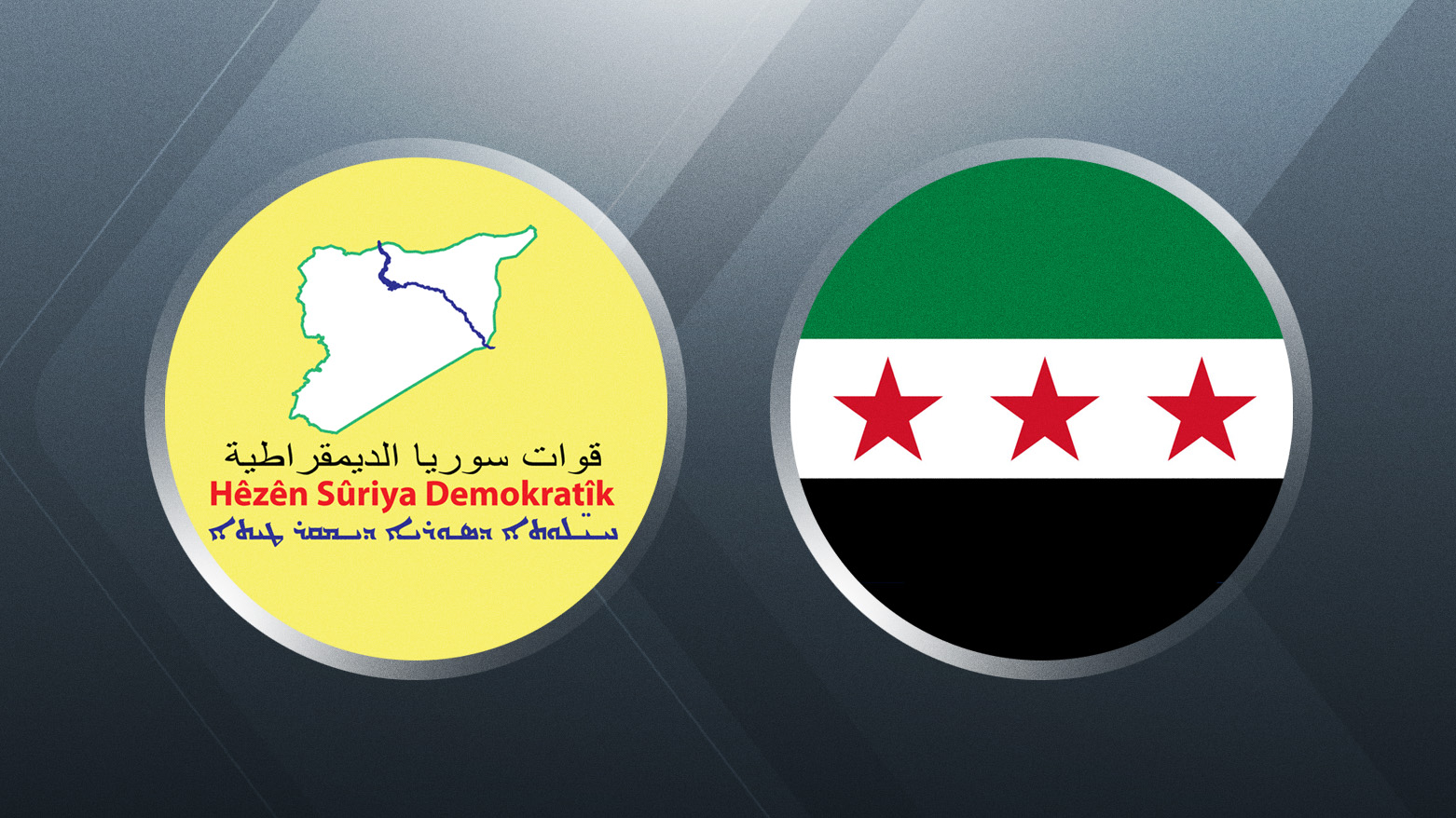
ERBIL (Kurdistan24) - The Syrian presidency announced that a joint understanding has been reached between the Syrian government and the Syrian Democratic Forces (SDF) on several issues related to the future of Hasakah province, including mechanisms for administrative and military integration.
In a statement carried by the Syrian Arab News Agency (SANA), the presidency said the two sides agreed to grant the SDF a four-day period for consultations to prepare a detailed plan for the practical implementation of the integration process.
According to the statement, if an agreement is finalized, Syrian government forces will not enter the centers of the cities of Hasakah and Qamishli and will remain on their outskirts. Discussions will then continue regarding the timeline and detailed arrangements for the peaceful integration of Hasakah province, including the city of Qamishli.
The presidency added that it was agreed Syrian military forces would not enter Kurdish villages, and that no armed forces would be present in those villages other than local security forces drawn from the residents of the area, in line with the agreement.
The statement said Mazloum Abdi will propose a candidate from the SDF for the post of assistant defense minister, in addition to suggesting a candidate for the position of governor of Hasakah, names for representation in the People’s Assembly, and a list of individuals to be employed within Syrian state institutions.
It also confirmed that both sides agreed to integrate all SDF military and security forces into the Ministries of Defense and Interior, while discussions will continue on the detailed mechanisms of integration. Civil institutions will also be merged into the structure of the Syrian government.
The presidency further stated that Decree No. 13 concerning linguistic and cultural rights and citizenship rights for Kurds will be implemented, reflecting what it described as a shared commitment to building a unified and strong Syria based on national partnership and the guarantee of rights for all its components.
According to the statement, implementation of this understanding is set to begin at eight pm.
The announcement comes amid heightened tensions and escalating security concerns in northeast Syria. The General Commander of the Syrian Democratic Forces, Mazloum Abdi, has said his forces withdrew to Kurdish-majority areas and emphasized that protecting those areas constitutes a “red line” that the SDF will not hesitate to defend.
In a statement to the Kurdish Hawar News Agency, Abdi said the SDF salutes “the resistance of civilians and fighters in all areas subjected to brutal attacks and systematic killing against Kurds,” as he described a sharp deterioration in security conditions affecting cities, camps, and detention facilities holding ISIS members and their families.
Abdi warned of a serious escalation targeting detention facilities, saying attacks have intensified against sites holding ISIS fighters and their families in Shaddadi and al-Hol camp. He said al-Hol camp has been subjected to violent attacks and attempts to storm and seize control of it by force.
According to Abdi, guards at al-Hol camp faced assaults involving military convoys, armored vehicles, and tanks, which forced them to withdraw. He also said the Syrian government continues to carry out intense attacks on the city of Hasakah, its countryside, and the city of Kobani.
Abdi stated that Damascus did not respond to any of the ceasefire initiatives launched over the previous two weeks. “We withdrew to areas with a Kurdish majority, and protecting them is a red line that we will not hesitate to defend,” he said.
He also called on the international coalition to assume its responsibilities in protecting facilities that detain ISIS elements, warning that continued instability poses serious risks, and urged the Syrian government to halt attacks and return to dialogue.
As Damascus and the SDF outline steps toward administrative and military integration in Hasakah, the coming days are set to test whether the announced understanding can translate into stability on the ground amid ongoing security pressures and unresolved tensions.