UAE Announces Interception of More Than 1,400 Iranian Missiles and Drones Since Start of War
The UAE says it intercepted 205 Iranian ballistic missiles and 1,229 drones during the first seven days of the war. Three people were killed and 112 wounded after some drones and missiles reached Emirati territory.
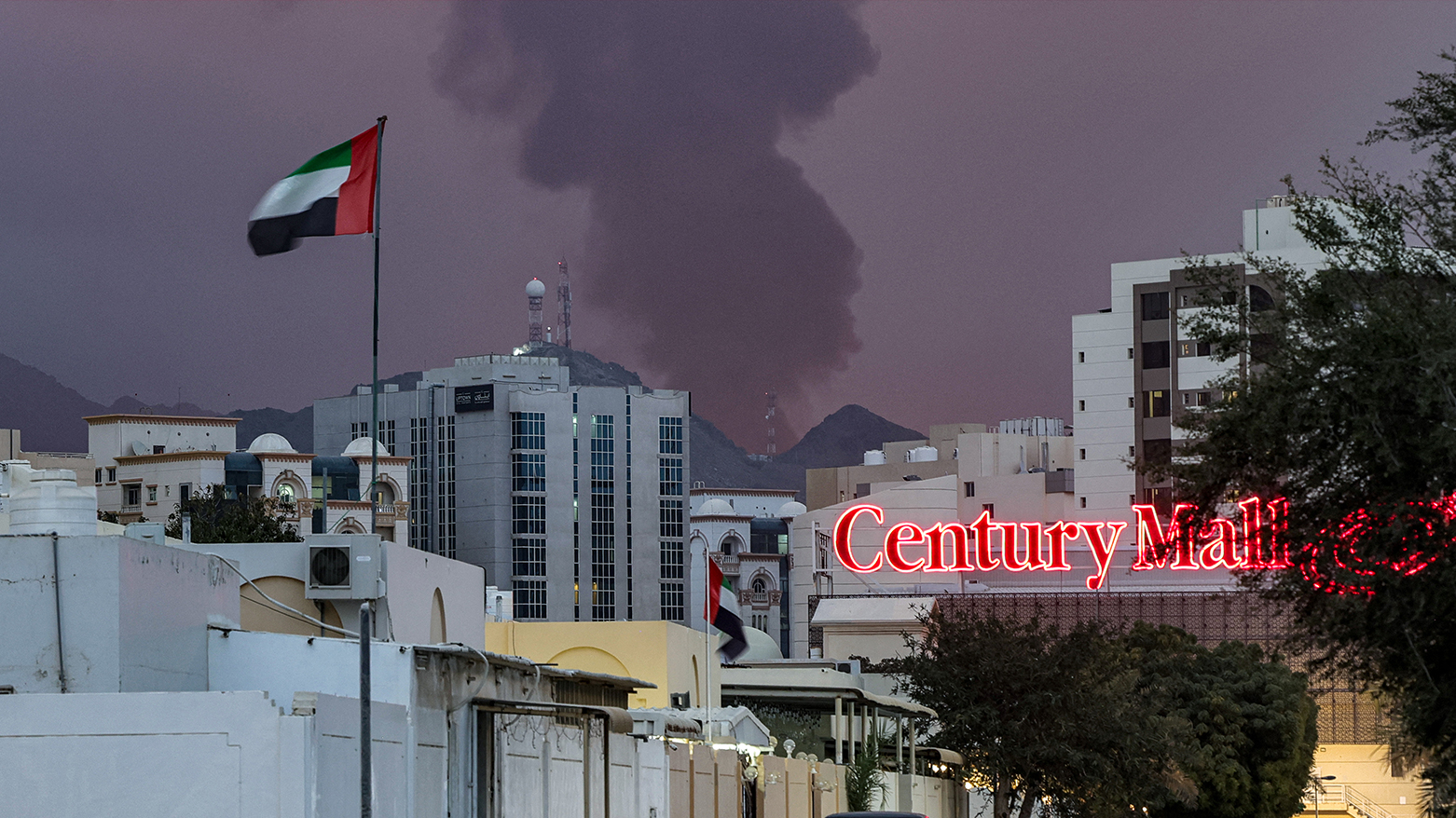
ERBIL (Kurdistan24) - The United Arab Emirates announced that its defense systems have intercepted more than 1,400 Iranian missiles and drones since the outbreak of the war, according to a detailed military report released by the country’s Ministry of Defense.
In a statement detailing military activity over the past seven days, the UAE Ministry of Defense said its forces intercepted 205 Iranian ballistic missiles and 1,229 drones since the escalation began.
According to the report, Iran launched a total of 221 ballistic missiles toward the UAE since the start of the conflict. Emirati defense systems managed to intercept 205 of those missiles.
The ministry also stated that 1,305 drones were launched toward the country during the same period, with air defense systems successfully shooting down 1,229 of them.
Despite the interceptions, two ballistic missiles landed inside the UAE.
The report added that 76 drones also reached Emirati territory, resulting in human and material losses.
Regarding casualties, the UAE Ministry of Defense confirmed that three people were killed as a result of the Iranian attacks. None of the victims were Emirati nationals; they were citizens of Pakistan, Nepal, and Bangladesh.
The ministry also reported that 112 other individuals were wounded in the attacks.
These developments come as European and Arab leaders prepare to hold discussions on the escalating situation in the Middle East.
Antonio Costa, President of the European Council, announced that a broad meeting will take place on Monday, March 9, 2026, with leaders of Arab countries to discuss Iranian attacks targeting states in the region and the overall situation in the Middle East.
President of the European Commission Ursula von der Leyen is expected to participate in the meeting. Costa reiterated that the European Union is calling for peace and stability and condemns Iran’s attacks on Arab countries, describing them as a major cause of instability in the Middle East.
Separately, according to Hossam Zaki, Assistant Secretary-General of the Arab League, Arab foreign ministers are expected to hold an extraordinary meeting on Sunday, March 8, 2026, to discuss what he described as “Iranian aggressions against the territory of several Arab countries.”
Zaki said the meeting will take place via videoconference and was requested by several Arab states, including Kuwait, Saudi Arabia, Qatar, Oman, Jordan, and Egypt.
Following US and Israeli strikes on Iran at the end of February and the beginning of March 2026, Iran launched missile and drone attacks targeting several Gulf countries, including Saudi Arabia, Bahrain, the UAE, Qatar, and Kuwait, as well as the Kurdistan Region and several other countries, pushing the region into a major military crisis.
The UAE’s latest military report highlights the scale of aerial attacks faced by the country during the first week of the conflict, as regional and international actors prepare urgent diplomatic discussions on the escalating crisis.