Senator Van Hollen Calls for U.S. Enforcement of Syrian Ceasefire, Safeguarding Kurds
Senator Van Hollen urged the U.S. to demand Syrian compliance with the ceasefire after reports of attacks on Kurdish areas, calling for fair treatment of the SDF as integration talks proceed.
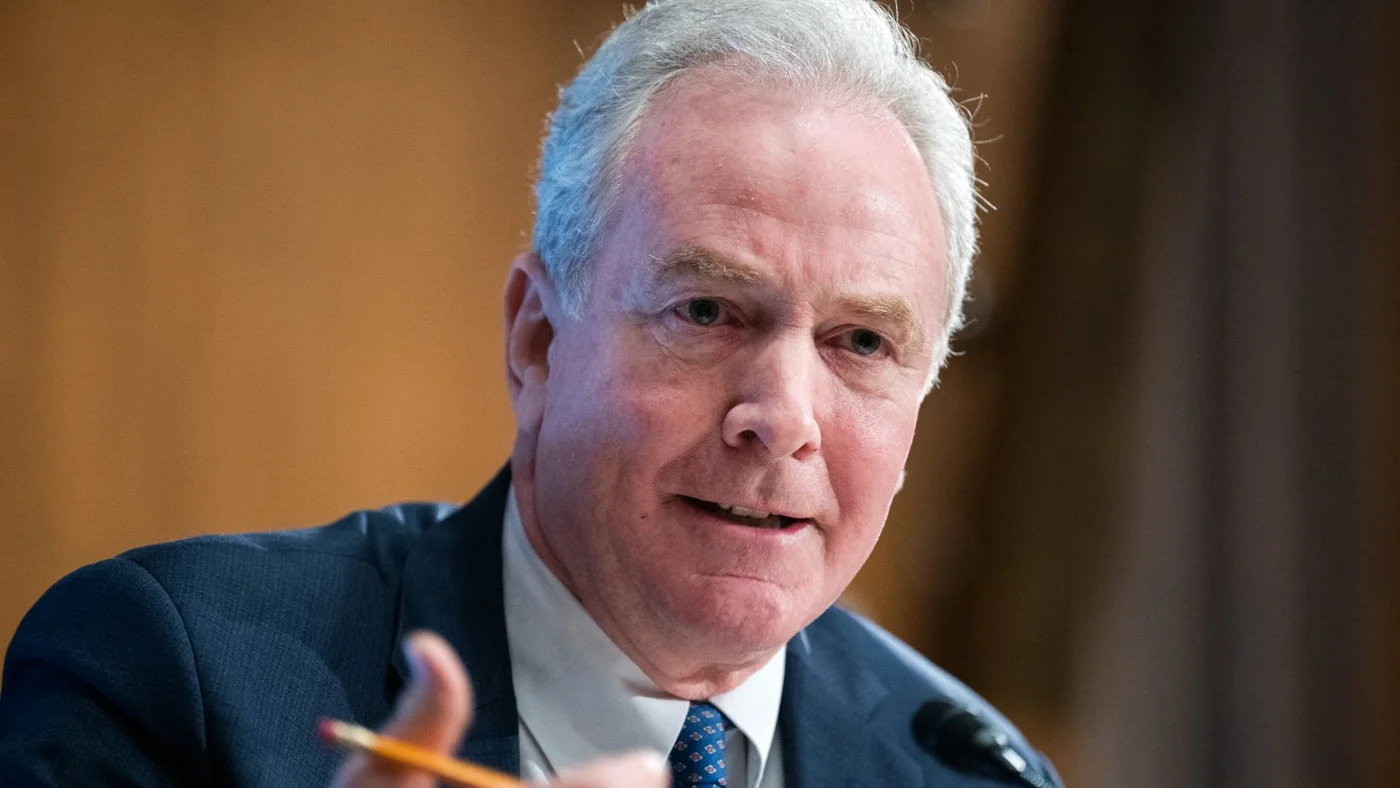
ERBIL (Kurdistan24) – United States Senator Chris Van Hollen (D-MD) on Wednesday called on the U.S. government to demand immediate compliance with the ceasefire in Syria from Damascus, following reports that Syrian government forces have violated the agreement by attacking Kurdish-majority areas, including Kobani.
In a statement released after speaking directly with Syrian Democratic Forces (SDF) General Commander Mazloum Abdi, Van Hollen emphasized the moral and strategic obligation to ensure fair treatment for the Kurdish-led partner force as integration talks proceed.
Writing on the social media platform X on Wednesday, Jan. 21, 2026, Senator Van Hollen expressed deep concern regarding the "rapidly changing events" on the ground.
He confirmed that his conversation with Gen. Abdi centered on the deteriorating security situation and allegations that the Syrian government has breached the terms of the recent truce.
"I just spoke to SDF Gen. Mazloum about these developments, including reports that the Syrian government is violating the recent ceasefire agreement, including in Kobani," Van Hollen stated.
He framed the protection of the SDF not merely as a humanitarian issue but as a matter of national interest, describing the force as the "tip of the spear" in the campaign to defeat the Islamic State (ISIS).
The Senator urged the U.S. administration to leverage its influence to halt the violence.
"The U.S. should immediately demand that the Syrian government comply with the ceasefire and not attack predominantly Kurdish areas," he wrote.
Furthermore, he stressed the necessity of returning both parties to the negotiating table before the current ceasefire expires to finalize a "fair agreement that fully integrates the SDF into the Syrian government."
I just got off the phone with General Mazloum, head of the SDF.
— Senator Chris Van Hollen (@ChrisVanHollen) January 21, 2026
The U.S. must demand the Syrian govt immediately comply with the ceasefire.
The SDF has been our chief partner in the fight against ISIS & we must ensure they're treated fairly in the ongoing integration process.… pic.twitter.com/tyn6isvOXa
Washington Shifts Policy as Damascus Advances
Senator Van Hollen’s intervention comes amidst a profound shift in United States policy toward Syria.
On Tuesday, President Donald Trump voiced strong support for Syrian President Ahmed al-Sharaa, whose forces have been conducting the offensive against the SDF in northeast Syria.
Speaking at the White House, President Trump praised al-Sharaa as a "strong guy, tough guy," suggesting that the Syrian leader’s aggressive tactics were necessary to manage the country’s security challenges.
While President Trump stated that he "likes the Kurds," he characterized the U.S. relationship with them as transactional, noting that they were "paid tremendous amounts of money" and provided with oil revenues.
"They were doing that for themselves, more so they were doing it for us," the President remarked, though he added that his administration is still "trying to protect the Kurds."
This rhetorical pivot aligns with a formal strategic adjustment outlined by U.S. Special Envoy for Syria Tom Barrack. In a recent statement, Barrack declared that the SDF's original mission as the primary anti-ISIS ground force has effectively concluded.
He argued that the rationale for the partnership has expired now that Syria possesses an "acknowledged central government" capable of assuming security responsibilities.
Barrack emphasized that the integration of the SDF into the Syrian state under President al-Sharaa represents the best path forward for the Kurds, offering potential citizenship rights and cultural protections that were previously denied.
"The US has no interest in long-term military presence," he stated, warning that prolonged separation could invite further instability.
Fragile Ceasefire and Integration Talks
The diplomatic push from Washington has accelerated efforts on the ground to merge the SDF into the national military structure. The Syrian presidency announced on Tuesday that a "joint understanding" had been reached with the SDF regarding the future of Hasakah province.
According to state media, the agreement grants a four-day consultation period to prepare a detailed plan for military and administrative integration.
Under the reported terms, Syrian government forces would remain on the outskirts of major cities like Hasakah and Qamishlo, while local security forces drawn from residents would police Kurdish villages.
The deal also includes the implementation of "Decree No. 13," which guarantees linguistic and cultural rights for Kurds.
In a statement issued Tuesday, the SDF announced its "full commitment" to the ceasefire and readiness to advance dialogue on integration. However, the situation remains perilous. Gen. Mazloum Abdi has stated that his forces have withdrawn to Kurdish-majority areas, declaring their protection a "red line."
He described "brutal attacks and systematic killing against Kurds" and accused Damascus of intensifying assaults on key cities despite the diplomatic progress.
Security Vacuum and Humanitarian Concerns
The ongoing instability has created a security vacuum that threatens to unravel gains made against extremist groups. Gen. Abdi reported that the al-Hol camp, which houses thousands of ISIS families, faced violent attacks involving tanks and armored vehicles, forcing guards to withdraw.
Additionally, the U.S. has estimated that approximately 200 ISIS detainees escaped from the Shaddadi prison following attacks linked to the Syrian Arab Army.
President Trump addressed the prison issue in an interview with the New York Post, claiming credit for thwarting a larger escape of European jihadists through cooperation with the Syrian government.
Regional leaders have also voiced alarm. Kurdistan Region President Masoud Barzani warned that harming the people of Western Kurdistan is "unacceptable in any form" and urged international intervention to prevent a resurgence of terrorist groups.
Nobel Peace Prize laureate Nadia Murad criticized the international community for abandoning the Kurds at a critical moment.
Senator Van Hollen’s call for immediate U.S. action highlights the tension between the administration’s desire to disengage and the legislative branch’s concern for the stability of partners who bore the brunt of the fight against ISIS.