SDF Says Damascus-Linked Factions Violate Ceasefire
The SDF accused Damascus-linked factions of violating a ceasefire through shelling and attacks in Jazeera and Kobani, including the killing of a civilian, while reaffirming its own commitment to de-escalation and dialogue.
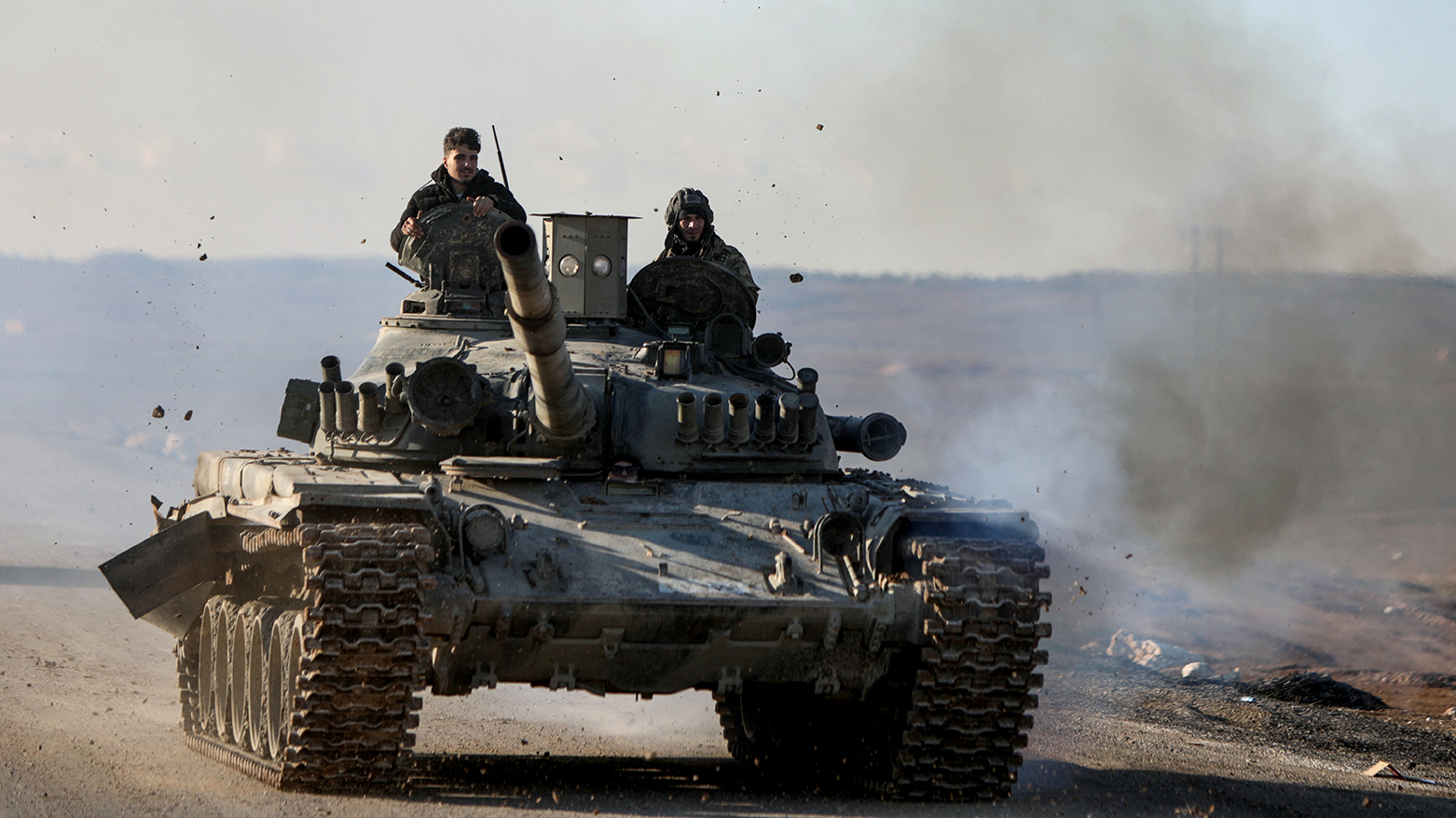
ERBIL (Kurdistan24) - The Syrian Democratic Forces (SDF) accused factions affiliated with the government in Damascus of repeatedly violating a newly agreed ceasefire, reporting a series of artillery strikes and ground attacks in the Jazeera and Kobani regions after the truce had officially entered into force.
In a statement issued by the SDF Media Center, the force said that although the ceasefire agreement became effective at eight pm, Damascus-affiliated factions continued military operations in “a clear and explicit violation of the terms of the agreement.”
According to the statement, the first violation occurred at 08:10 pm, when Damascus-affiliated factions shelled the town of Zirkan, north of Hasakah, with heavy artillery. The bombardment continued for more than an hour.
Ten minutes later, at 08:20 pm, the same factions launched an attack using heavy weapons on the village of Tal Baroud, located on the Abyad–Abyad road south of Hasakah.
The SDF reported further violations the following day. At 11:30 am, Damascus-affiliated factions attacked SDF forces in the vicinity of the city of Sarrin. The statement said SDF units confronted and thwarted the assault.
At 11:45 am, a convoy belonging to Damascus-affiliated factions attacked SDF forces in the village of Basel, also situated on the Abyad–Abyad road south of Hasakah.
Later in the day, at 02:10 pm, the factions carried out a second attack against SDF positions near the city of Sarrin, south of Kobani. The SDF said its forces again successfully repelled the attack.
The statement concluded with another reported incident at 02:45 pm, when Damascus-affiliated factions shelled the village of Hamdoun, south of Kobani, with heavy weapons. The attack resulted in the killing of a woman.
Despite the reported violations, the SDF reaffirmed its position on de-escalation. “We affirm our commitment to the ceasefire agreement and to avoiding escalation,” the statement said.
The SDF also called on guarantor parties and the international community to intervene. It urged them to “assume their responsibilities and to monitor these violations in a manner that ensures the protection of civilians and the preservation of stability in the region.”
The reported violations come one day after the SDF formally announced full commitment to a ceasefire understanding reached with the government in Damascus. In its earlier statement, the SDF pledged not to initiate any military action unless its forces were attacked and expressed readiness to pursue political pathways, negotiated solutions, and dialogue.
That ceasefire followed a broader understanding between the Syrian government and the SDF regarding the future of Hasakah province and mechanisms for administrative and military integration. According to statements carried by the Syrian Arab News Agency, the agreement included a four-day consultation period for the SDF to prepare a detailed implementation plan, provisions preventing Syrian government forces from entering the centers of Hasakah and Qamishli, and guarantees that Kurdish villages would be secured by local forces only.
The understanding also outlined plans to integrate SDF military and security forces into the Syrian Ministries of Defense and Interior, merge civil institutions into the state structure, and implement Decree No. 13 related to linguistic, cultural, and citizenship rights for Kurds. Implementation of the agreement was scheduled to begin at eight pm.
As the SDF reiterates its commitment to the ceasefire and political dialogue, the reported attacks in Jazeera and Kobani underscore the fragility of the truce and raise urgent questions about enforcement, civilian protection, and the prospects for stability in northeastern Syria.