Trump urges Australia to grant asylum to Iran women’s soccer team
U.S. president says players could face death if returned to Iran amid escalating regional tensions
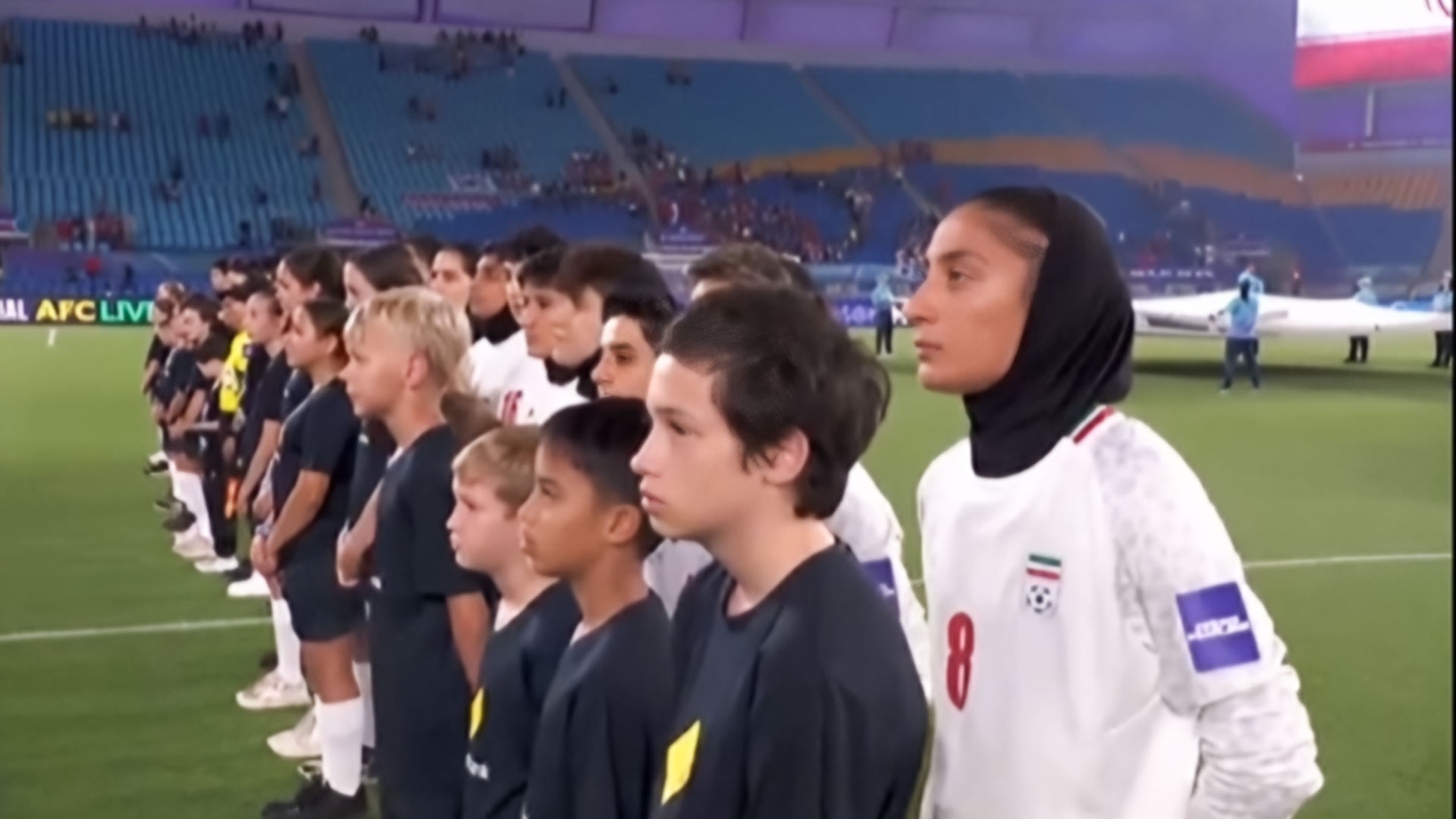
ERBIL (Kurdistan24) — Donald Trump on Monday urged Australia to grant asylum to members of Iran’s women’s national soccer team, warning that forcing them to return home would be a “terrible humanitarian mistake” amid growing fears for the players’ safety.
In a statement posted on his social media platform, Truth Social, Trump called on Australian leaders to protect the athletes and offered to accept them in the United States if Australia refuses.
“Australia is making a terrible humanitarian mistake by allowing the Iranian Women’s National Soccer team to be forced back to Iran, where they will most likely be killed,” Trump wrote. “Don’t do it, Mr. Prime Minister, give ASYLUM. The U.S. will take them if you won’t.”
Trump’s comments come as several members of the Iranian team seek asylum after competing in the 2026 AFC Women's Asian Cup hosted in Australia.
According to reports, at least five players fled their team’s hotel and are currently under the protection of the Australian Federal Police while pursuing asylum requests.
The players reportedly fear persecution, imprisonment, or worse if they are forced to return to Iran.
Their situation has sparked international concern, with human rights groups, football organizations, and Iranian diaspora activists urging Canberra to grant them refuge.
The controversy erupted during the tournament when Iranian players refused to sing the national anthem before their opening match against South Korea, an act widely interpreted as a silent protest against the Iranian government.
The gesture came shortly after the killing of Iran’s supreme leader, Ali Khamenei, in joint strikes by the United States and Israel, a development that triggered widespread turmoil in Iran and intensified the regional war.
Following the protest, Iranian state media reportedly branded the players “traitors,” raising fears they could face severe punishment if they returned home.
In later matches during the tournament, the players were reportedly forced to sing the anthem amid threats directed at their families, according to reports cited by activists and sports organizations.
The Iranian team’s plight has prompted growing international pressure on the Australian government to offer protection.
Activists and supporters gathered outside stadiums during the tournament to express solidarity with the players and warn about the risks they face if deported.
The global football players’ union and other sports bodies have also raised concerns about the safety of the athletes.
Australian officials have so far declined to discuss individual asylum cases publicly, citing privacy and legal considerations.
The case has become another flashpoint in the broader geopolitical confrontation involving Iran, the United States, and Israel.
The regional crisis has intensified since the killing of Ali Khamenei, triggering a series of military escalations and political upheavals across the Middle East.
Analysts say the controversy surrounding the Iranian women’s soccer team reflects the wider pressures faced by Iranian athletes, many of whom have previously used international sporting events to signal dissent or seek refuge abroad.
For now, the fate of the players remains uncertain as asylum discussions continue, with Trump’s intervention adding further international attention to a case that has quickly evolved from a sports controversy into a global human rights issue.