Research Institute Warns of Efforts to Cut Off Rojava’s Escape Routes to Kurdistan Region Amid Deepening Crisis
Kurdish Peace Institute warns of efforts to cut Rojava's escape route to the Kurdistan Region as a ceasefire nears expiration and the siege on Kobani tightens.
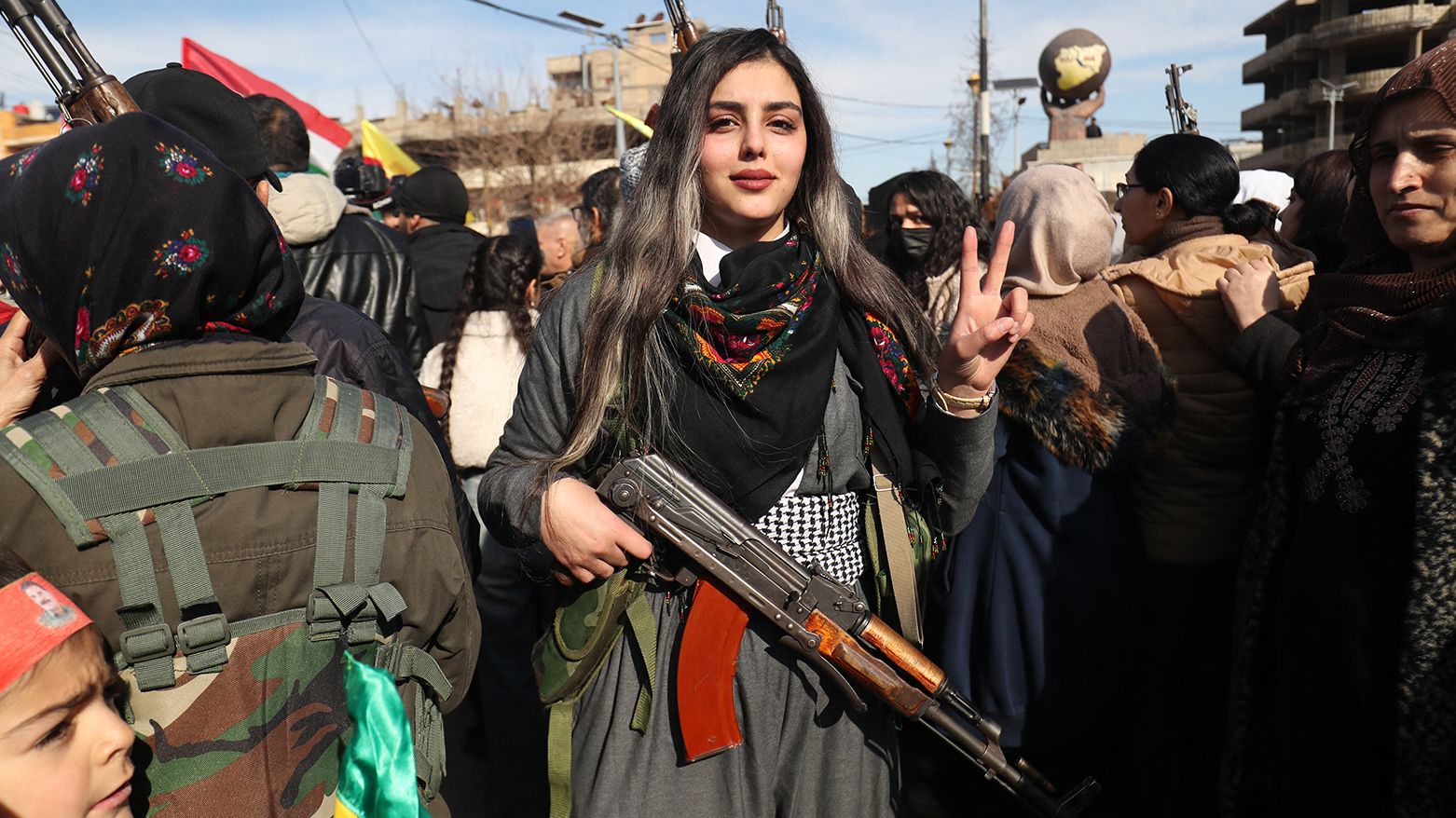
ERBIL (Kurdistan24) - Efforts are underway to sever critical transit corridors linking Western Kurdistan (Rojava) to the Kurdistan Region of Iraq, a development that could trap civilians seeking refuge from escalating violence in northeastern Syria, according to a report from the Kurdish Peace Institute.
Meghan Bodette, the institute’s Director of Research, reported from Qamishlo on Friday, Jan. 23, 2026, highlighting the precarious security situation as a ceasefire deadline looms.
Bodette warned that armed forces appear intent on cutting the road between Qamishlo and Derik. This strategic artery is essential for civilians attempting to reach the borders of the Kurdistan Region in the event of an emergency.
"Many people here in Qamishlo are afraid that government-affiliated fighters will cut the road between here and Derik, preventing people from crossing the border into Iraqi Kurdistan in the event of an emergency," Bodette stated.
The warning comes just one day before the expiration of a ceasefire announced between the Syrian Democratic Forces (SDF) and forces affiliated with the Syrian Interim Government. Speaking from Qamishlo amid snowy conditions, Bodette described the atmosphere as one of anxiety mixed with fragile hope.
She emphasized that the attacks currently being carried out target the "last bit of autonomy and self-determination here in Syria."
Meghan Bodette @_____mjb, Director of Research at the Kurdish Peace Institute, said she is in Qamishlo assessing conditions among the Kurdish community amid a fragile ceasefire and concerns over renewed attacks on Kobani.
— Kurdistan 24 English (@K24English) January 23, 2026
In an update shared on Friday, Jan. 23, 2026, she… pic.twitter.com/FNVm5CAFqa
Siege on Kobani Tightens
While Qamishlo faces the threat of isolation, the situation in Kobani has already reached critical levels. Bodette confirmed that the Syrian Arab Army is advancing toward the city, where civilians are reportedly trapped without access to basic necessities such as electricity, water, and the internet.
This assessment aligns with statements from local officials. Elham Ahmad, the Head of Foreign Relations for the Autonomous Administration of North and East Syria (DAANES), issued a public message on Friday crediting the support of the Kurdish diaspora and domestic population as a "true line of defense" against what she termed the threat of genocide.
The urgency of the situation in Kobani is corroborated by reports from the ground. Mustafa Sheikh Muslim, a lawyer residing in the city, told Kurdistan24 that the delivery of humanitarian aid is facing significant obstruction despite critical needs.
He noted that while there is no official ban, forces on the ground are actively preventing assistance from entering. Attacks by the Syrian Arab Army reportedly continued until noon on Friday, further compounding the crisis as thousands of displaced persons from other conflict zones have sought shelter in the besieged city.
Diplomatic Glimmers and Cross-Border Support
Despite the grim outlook, Bodette noted a cautious sense of optimism among the residents of Qamishlo following news of positive meetings between the SDF and American mediators.
"While people are heartened by the announcement of a positive meeting between the SDF and US mediators yesterday, and the overall overwhelming desire of people on the ground is for peace, there are still serious threats going on to the existence of these communities here," she said.
This sentiment reflects high-level diplomatic interventions occurring regionally. President Masoud Barzani recently confirmed a meeting in Erbil involving SDF Commander Mazloum Abdi, U.S. Special Envoy Tom Barrack, and U.S. Central Command Commander Admiral Brad Cooper, which reportedly resulted in "positive steps" toward stability.
Furthermore, Bodette highlighted a wave of solidarity reaching the area from across the border. She reported that humanitarian support is flowing from the Kurdistan Region, Kurdish parliamentarians in Turkey, and international organizations.
"I've met and spoken with people from humanitarian organizations, from Iraqi Kurdistan who are crossing over, from members of parliament from the pro-Kurdish party in Turkey who are crossing over, all to support the efforts of the people here," she said.
"People have mobilized and actually crossed over the border wall facing police violence and torture from Turkish security forces in order to join the efforts of this community here in defending themselves," she said, underscoring the deep transnational ties mobilizing in response to the crisis.
As the ceasefire deadline approaches, the focus remains on whether diplomatic channels can prevent the complete isolation of Rojava’s population or if the severing of escape routes will precede a new intensification of hostilities.