U.S. Welcomes Iraqi Government in Transferring ISIS Detainees as Regional Security Focus Intensifies
Washington urges repatriation of foreign fighters amid Baghdad’s commitment to secure detention and judicial accountability.
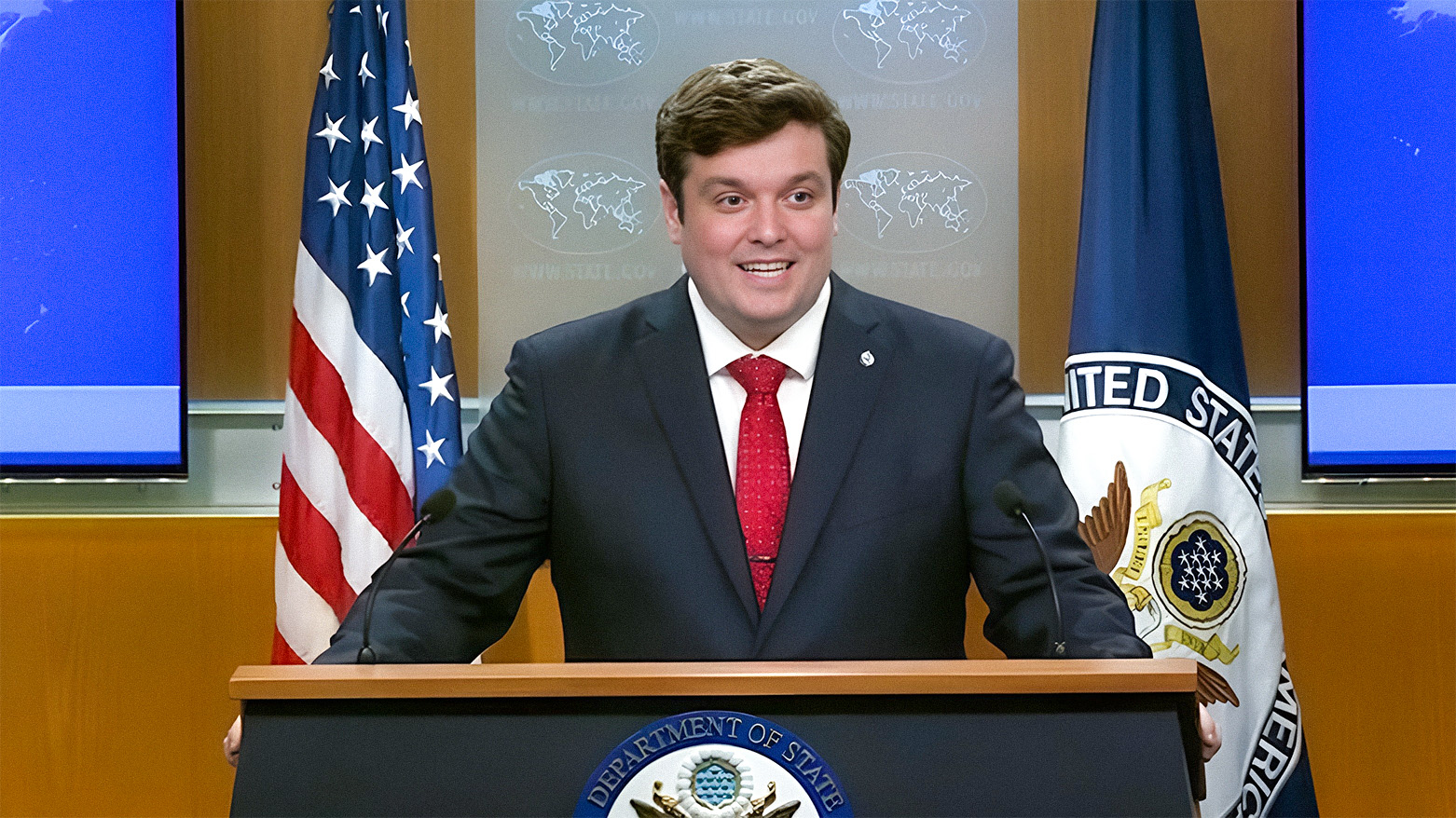
ERBIL (Kurdistan24) — The United States has publicly endorsed the Iraqi government’s initiative to accelerate the transfer and detention of Islamic State (ISIS) terrorists to secure facilities inside Iraq, underscoring Baghdad’s role on the front lines of counter-terrorism efforts following recent instability in the West of Kurdistan, northeastern Syria. Washington also called on all countries to repatriate foreign fighters so they can face justice in their home jurisdictions, the U.S. State Department said in a post by Principal Deputy Spokesperson Tommy Pigott on X on Monday.
The announcement comes as the U.S. military began relocating hundreds of ISIS suspects from detention centers in Syria, sites that became increasingly insecure after the withdrawal of Kurdish-led Syrian Democratic Forces (SDF).
Iraqi authorities and U.S. Central Command (CENTCOM) have said the transfer operation could eventually involve up to 9,000 detainees, including senior commanders and foreign fighters, to fortified Iraqi facilities.
Iraq’s willingness to assume responsibility for these detainees has been framed by Baghdad as a necessary contribution to preventing potential escapes and the resurgence of ISIS, whose remnants still pose a security threat years after losing territorial control in both Iraq and Syria.
Iraq’s Supreme Judicial Council has confirmed legal proceedings will be initiated against those transferred, and Prime Minister Mohammed Shia al-Sudani has described the move as temporary while urging foreign governments to take back their citizens for prosecution.
The transfer of ISIS detainees marks one of the most significant prisoner relocation efforts since the group’s territorial defeat, reshaping how captured militants are managed amid evolving regional dynamics.
The move follows a period of instability in areas of northeastern Syria once held by the SDF, as Syrian government forces advanced and assumed control of key detention sites, raising fears about the security of thousands of prisoners still in SDF custody.
In response, the U.S. military has initiated air and ground operations to move high-risk detainees across the border into Iraq. Officials say the goal is to prevent jailbreaks or insurgent activity stemming from unstable detention conditions in Syria and to consolidate counter-terrorism efforts with Iraqi institutions equipped to conduct trials and long-term secure detention.
While Iraq has taken the lead in the physical transfer and detention of ISIS suspects, Washington’s statement emphasized that the responsibility for prosecution and long-term custody should not fall solely on Iraq.
The U.S. urged all countries to repatriate their nationals who fought with or supported ISIS so that they may face legal accountability in courts of appropriate jurisdiction.
This call echoes broader international concerns about burden-sharing in addressing the persistent threat posed by foreign fighters who joined extremist ranks. Western governments, particularly in Europe, have been under pressure to repatriate their citizens from detention facilities abroad and bring them to trial, a complex and politically sensitive process that many nations have struggled to undertake.
The U.S. State Department further noted that Secretary of State Marco Rubio spoke on Sunday with Iraqi Prime Minister Mohammed Shiaa al-Sudani. During the call, the Secretary commended the Government of Iraq’s initiative and leadership in expediting the transfer and detention of ISIS terrorists to secure facilities in Iraq, following recent instability in northeastern Syria.
The two officials also discussed ongoing diplomatic efforts to ensure that countries swiftly repatriate their citizens held in Iraq, allowing them to face justice in their home jurisdictions.
For Iraq, which suffered immensely during ISIS’s rise and continues to grapple with sleeper cells and insurgent activity, the transfer presents both a security imperative and a legal challenge. Iraqi officials maintain that local prisons will be prepared to hold transferred detainees securely, and that judicial processes will be carried out under Iraqi law.
As the regional transfer operation unfolds, Baghdad’s initiative has drawn praise from Washington and other coalition partners as a tangible contribution to collective efforts against terrorism.
Still, the practical and diplomatic task of ensuring fair trials, humane detention conditions, and equitable international responsibility remains at the forefront of ongoing discussions between Iraq and global partners.