Dozens Dead as Massive Winter Storm Leaves Nearly Half a Million Americans Without Power
A massive winter storm has left at least 38 dead and nearly 500,000 without power. As New York City reports 10 deaths, another Arctic blast is forecast to bring record lows to 100 million Americans.
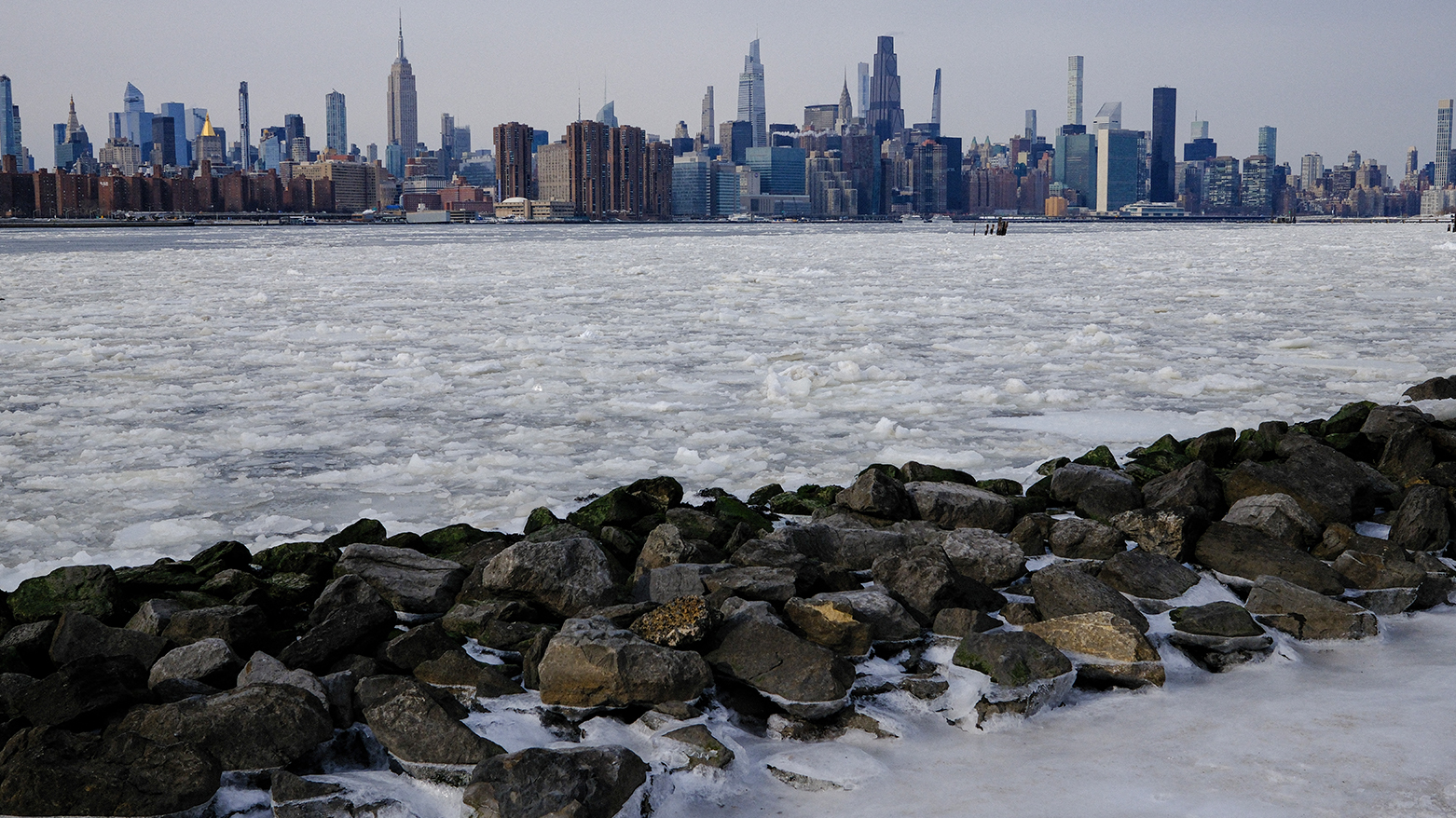
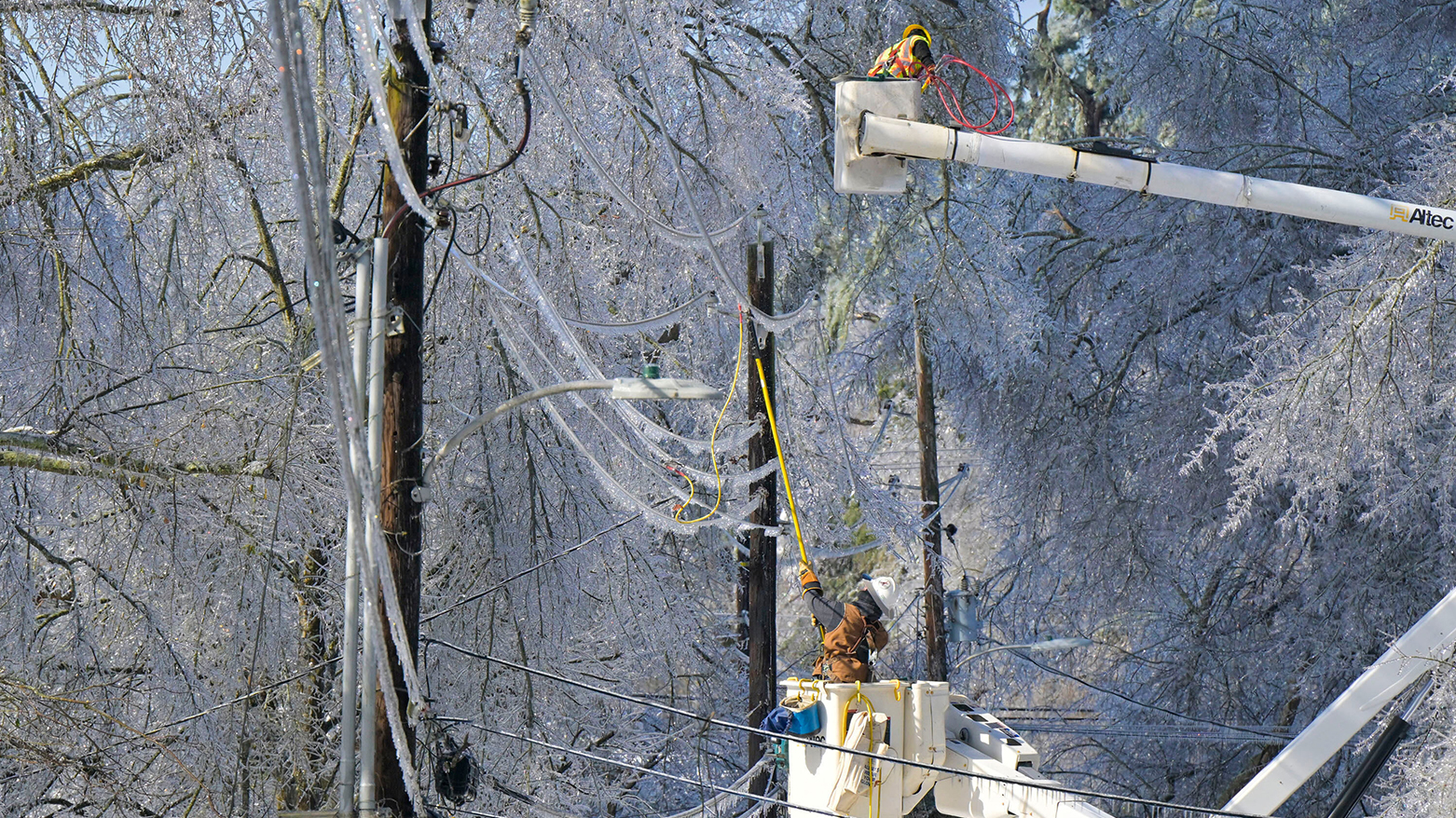
ERBIL (Kurdistan24) - Nearly half a million homes and businesses across the United States remain without power or heat as a deadly winter storm that brought crippling ice to the South and heavy snow to the Northeast exits toward the Atlantic, according to a report by The Associated Press (AP). As of Tuesday evening, more than 470,000 customers were still deprived of electricity, while the National Weather Service forecast temperatures to fall well below freezing in regions where the massive ice storm inflicted its most severe damage.
The Associated Press reported that the scale of the utility failure was particularly acute in Tennessee, where more than 175,000 customers were without electricity, including 119,000 in the Nashville area. Hard-hit Mississippi recorded more than 137,000 outages, while approximately 91,000 remained without power in icy Louisiana.
Residents in these southern states, where homes are often not built to withstand Northern winter conditions, described the storm as transformative. One resident in Iuka, Mississippi, told The Associated Press that his neighborhood looked “like a war zone,” characterized by a “demonic symphony” of snapping trees and exploding transformers.
The human toll of the freeze has been extensive, with The Associated Press reporting more than three dozen deaths across afflicted states as of Tuesday. Causes of death range from traffic collisions and hypothermia to accidents involving snowplows.
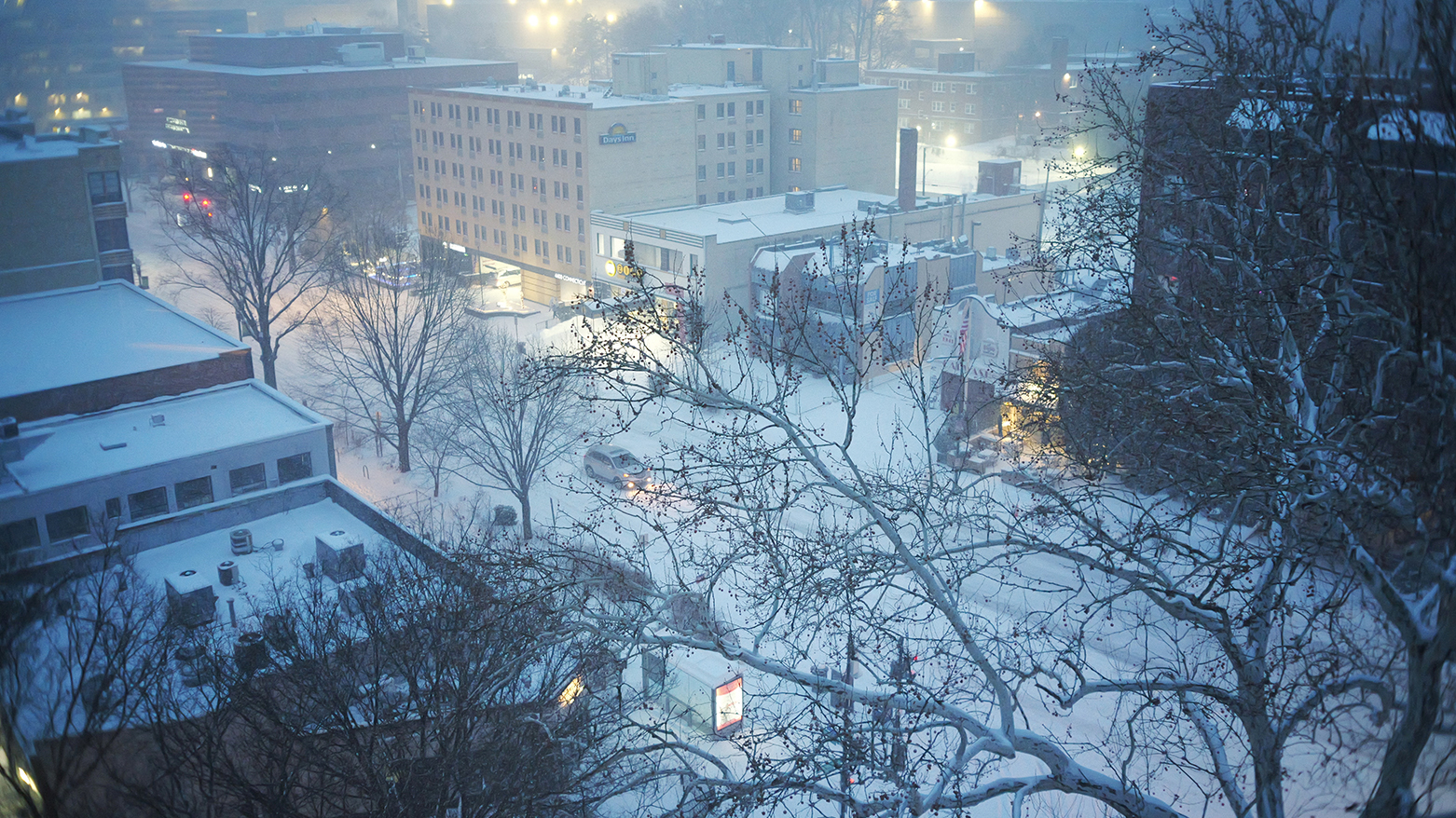
Among the most harrowing incidents reported by the agency was the death of three brothers, aged six, eight, and nine, who perished on Monday after falling through the ice of a frozen pond north of Dallas, Texas. In Arkansas, Clinton National Airport in Little Rock recorded 6.7 inches of sleet, while Sterling, Massachusetts, saw 22.2 inches of snow by Monday morning.
Agence France-Presse (AFP) corroborated the rising death toll, linking the "monster storm" to at least 38 fatalities nationwide.
The agency noted that transportation systems were paralyzed, with a staggering 24,500 U.S. flights canceled between Saturday and Tuesday.
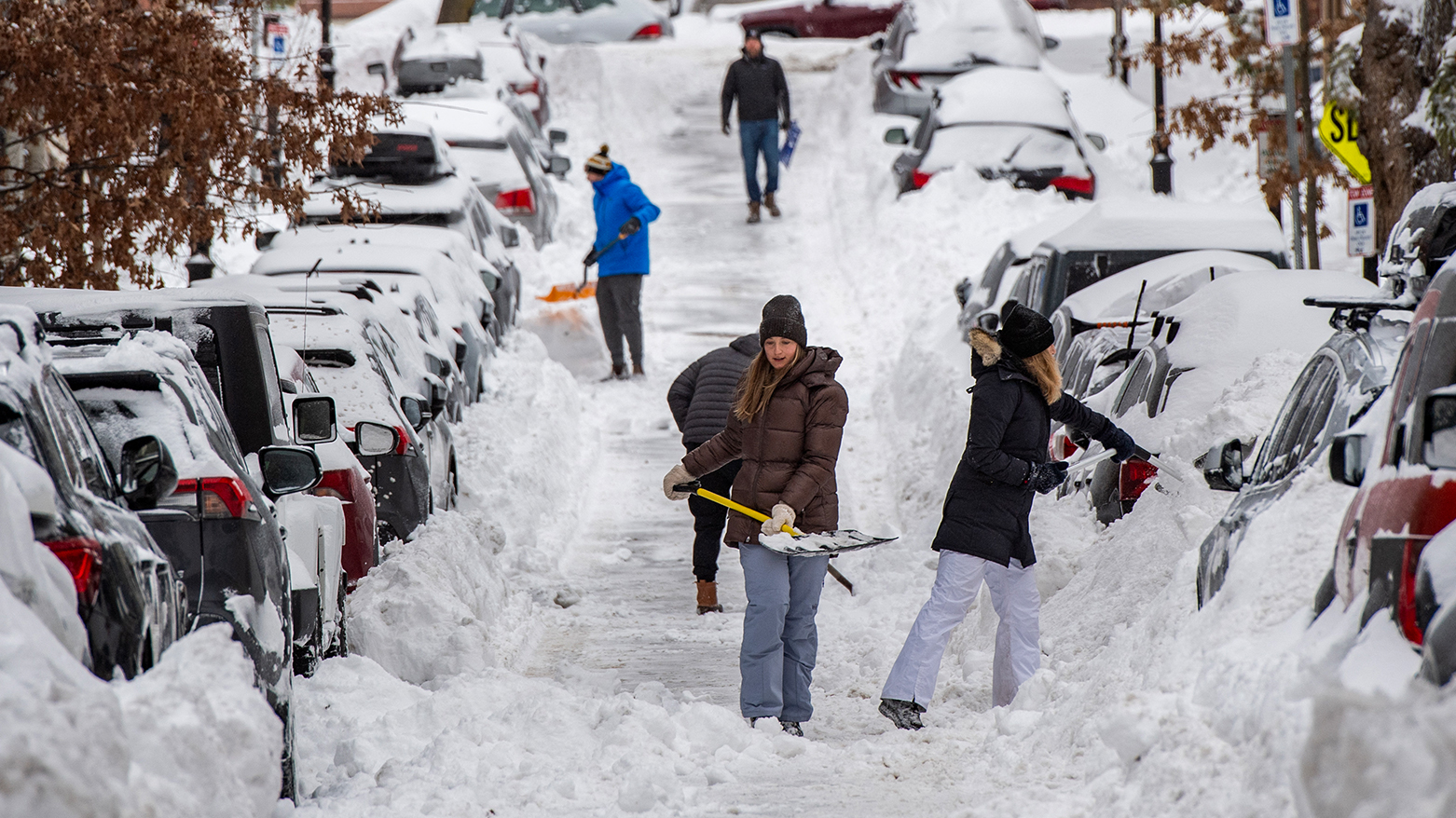
The storm’s reach was vast, spanning from the western edge in Bonito Falls, New Mexico, which saw 31 inches of snowfall, to upstate New York and Boston, where residents are currently digging out from deep piles of snow and treacherous ice.
According to AFP, federal officials warned of fresh misery for more than 100 million Americans as another Arctic blast is expected this weekend. The National Weather Service (NWS) indicated that much of the northern half of the country will remain continuously below freezing through February 1.
Forecasters told AFP that this could result in "the coldest temperature seen in several years for some places and the longest duration of cold in decades," with hard freezes threatening regions as far south as Florida.
AFP also highlighted emerging scientific research suggesting that climate change may be playing a role in the disruption of the polar vortex, making it more likely for frigid Arctic air to wobble and spill south over North America, though researchers cautioned that natural variability remains a factor.
The crisis has posed a significant management test for local leaders, most notably in New York City.
The New York Times reported that the storm death toll in the city has risen to at least 10. Mayor Zohran Mamdani, who assumed office on January 1, faces scrutiny over his handling of the weather emergency.
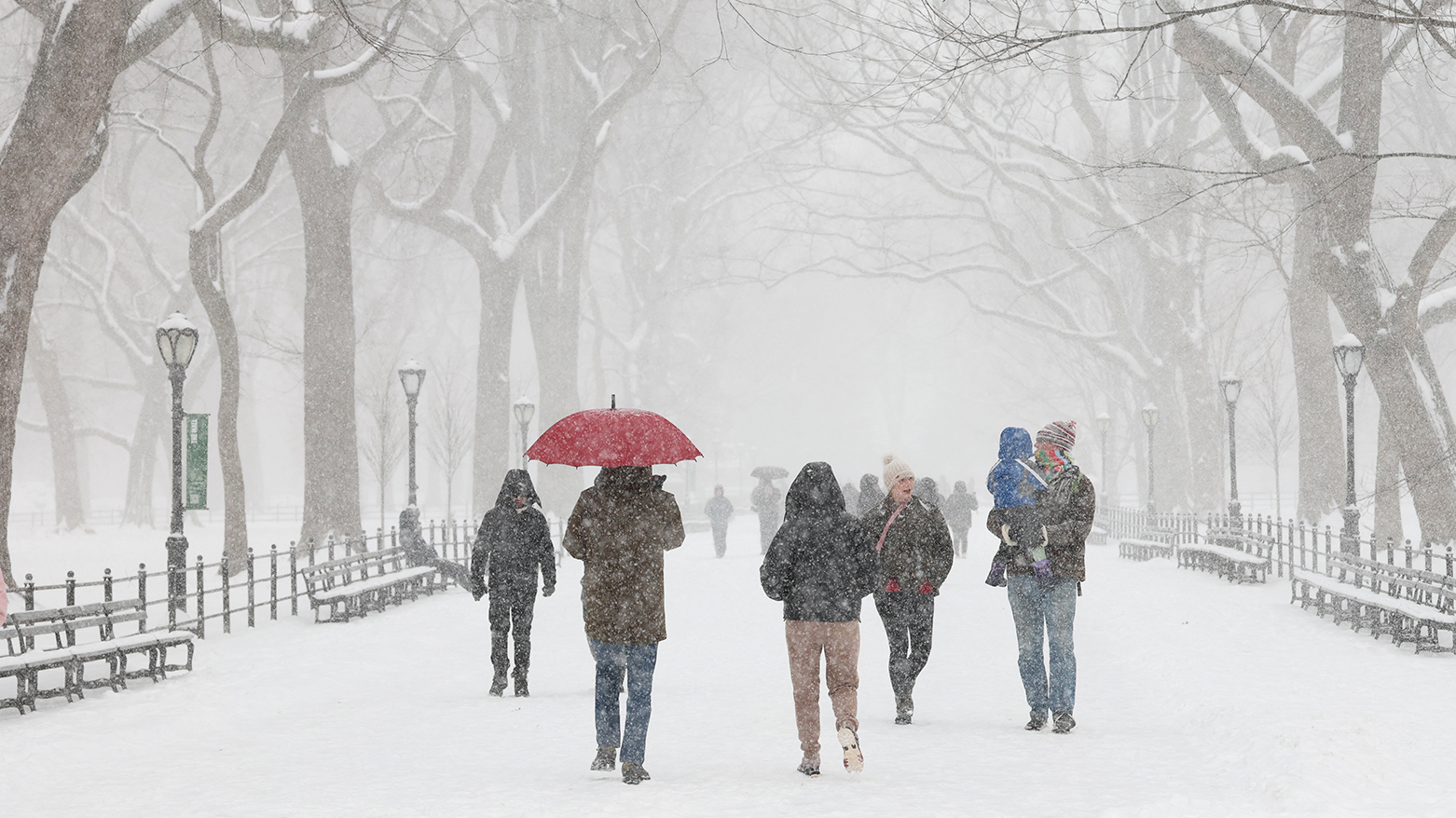
The New York Times noted that while the Mayor originally stated he did not believe the initial fatalities involved homeless individuals, city officials later reaffirmed that several victims had histories with the Department of Homeless Services and the shelter system.
Since January 19, New York City has been in a nonstop “Code Blue” emergency state, a protocol that loosens intake requirements for shelters and deploys outreach teams to the streets. Mayor Mamdani announced on Tuesday that because the cold is "this deadly," the city would implement additional emergency measures beyond the standard Code Blue rules.
These include doubling the number of warming buses, increasing the number of warming shelters to 18, and instructing hospitals not to discharge homeless patients overnight into the frigid air.
The New York Times detailed one specific case involving a 52-year-old immigrant from Ecuador who was found buried in snow at a playground in Queens.
The victim was reportedly carrying discharge papers from a local hospital in his pocket at the time he was discovered. Dave Giffen, executive director of the Coalition for the Homeless, told The New York Times that the elevated death toll is a result of four decades of failed homelessness policy, stating, “The city has been unable to provide what unsheltered New Yorkers want and need.”
While addressing the weather crisis from City Hall, Mayor Mamdani also moved forward with administrative duties unrelated to the storm. The New York Times reported that he announced three new commissioner-level appointments to agencies that had previously been affected by allegations of corruption and cronyism.
These included Yume Kitasei to run the Department of Citywide Administrative Services, Sharun Goodwin to lead the Department of Probation, and Lisa Garcia to head the Department of Environmental Protection.
As municipalities continue their cleanup efforts, the National Weather Service’s Weather Prediction Center warned that the threat is not yet over. With the primary storm exiting, the focus has shifted to the incoming Canadian low-pressure system and the potential for a new significant storm to impact the East Coast.
For nearly half a million Americans still lacking power, the timeline for restoration remains uncertain, with some counties in Kentucky estimating it could take up to 10 days to return services to normal.