Baghdad Ranks Among World’s Most Polluted Capitals Amid Rising Health Concerns
Reports identify several major contributors to the crisis, including the Dora Refinery on the outskirts of the capital, more than 10,000 industrial facilities, numerous brick and asphalt factories.
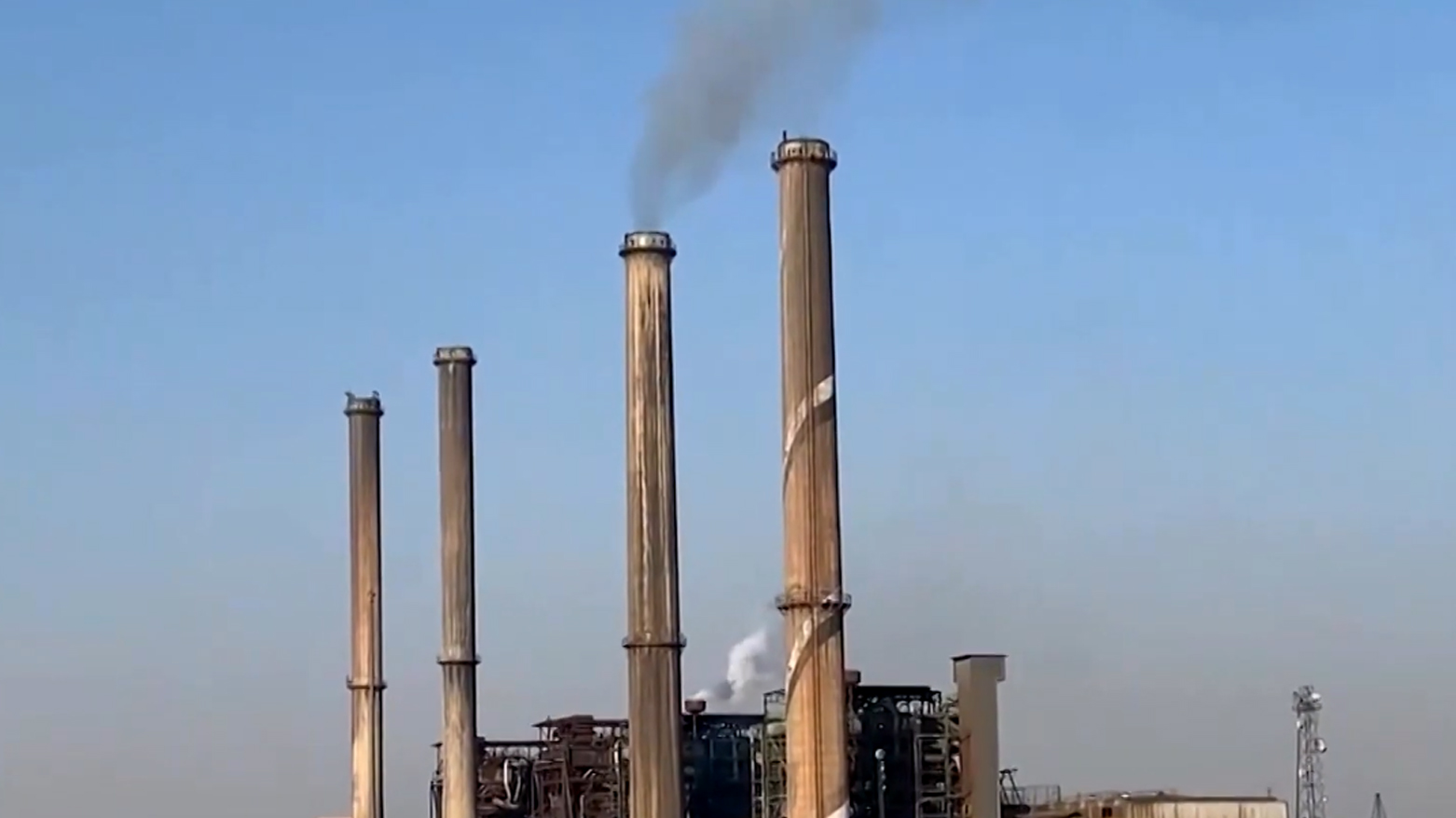
ERBIL (Kurdistan24) – Iraq’s capital is facing mounting environmental and public health challenges after ranking among the world’s ten most polluted capitals, according to recent international statistics.
Environmental experts warn that worsening air pollution, driven by refinery emissions, industrial activity, aging vehicles, and thousands of private generators, has significantly degraded air quality and increased the risk of serious diseases, including cancer.
Reports identify several major contributors to the crisis, including the Dora Refinery on the outskirts of the capital, more than 10,000 industrial facilities, numerous brick and asphalt factories, and an estimated 50,000 private electricity generators operating across the city.
Baghdad’s rapid population growth has further intensified the problem. According to environmental observers, the capital is now home to approximately 2.5 million vehicles, many of them outdated models that produce high levels of emissions.
Compounding the issue is the dramatic decline in green spaces, which have fallen to less than 10 percent of the city’s total area, limiting the natural ability of vegetation to absorb pollutants and improve air quality.
Omar Latif, an environmental expert, told Kurdistan24 that both climate change and industrial expansion over the past 15 years have had severe consequences for Baghdad and Basra.
“Baghdad’s population has surged dramatically, alongside 10,000 industrial activities, 2.5 million vehicles, and 50,000 generators, all of which contribute to air pollution,” Latif said, stressing the urgent need for comprehensive environmental reforms.
Residents say the situation has fueled growing frustration over what they describe as government inaction.
“People are asking where the significant funds allocated for the Iraqi environment have gone,” said Majid Hasnawi, a Baghdad resident. “The government must take strict measures. Our rivers, sky, and land cannot continue to be polluted, and we cannot keep suffering from serious diseases.”
Another resident, Saif Samawi, pointed to the burning of garbage at Rasheed Air Base as an additional health hazard.
“The smoke affects everyone, particularly children and the elderly,” he said. “With brick factories and old cars on the streets, it’s impossible to avoid getting sick.”
The Iraqi Ministry of Health has released alarming projections, estimating that by 2025, around 43,000 Baghdad residents could be diagnosed with cancer.
Meanwhile, the Iraqi Ministry of Environment has acknowledged the severity of the environmental crisis, particularly as the Tigris River continues to suffer from pollution caused by hospital and industrial waste.
As environmental pressures intensify, experts and residents alike are calling for urgent policy interventions, stricter environmental enforcement, and investment in cleaner energy alternatives to prevent further deterioration of public health and living conditions in Iraq’s capital.