Iraq Launches Emergency Plan to Tackle Water Shortage, Crack Down on Illegal Fish Ponds
Water Resources Minister Aoun Diab Abdullah chaired a meeting of the central crisis cell, during which it was decided to form a special committee in each province.
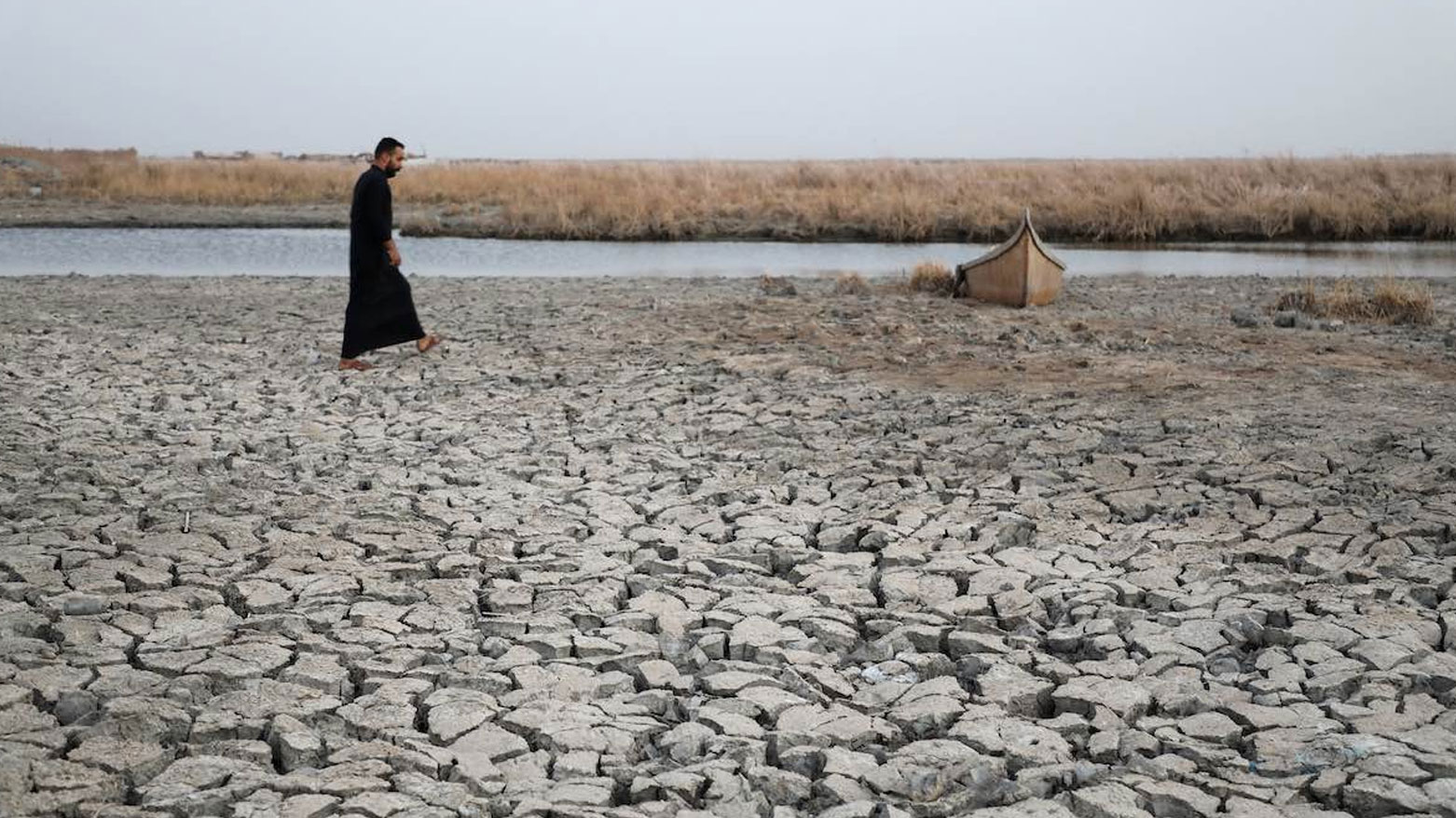
ERBIL (Kurdistan24) – The Iraqi Ministry of Water Resources announced on Monday a series of strict measures to address the country’s worsening water shortage, including the launch of an emergency plan to secure drinking water and the removal of all illegally constructed fish ponds.
Water Resources Minister Aoun Diab Abdullah chaired a meeting of the central crisis cell, during which it was decided to form a special committee in each province. Provincial governors will head the committees, and they include police commanders and other relevant authorities.
According to the ministry, the committees will be tasked with removing unlicensed fish ponds, banning agricultural activity outside the official state cultivation plan, protecting provincial water shares, and taking legal action against violators. They will also ensure the protection of irrigation facilities and provide security for ministry employees working in the field.
During the meeting, Abdullah warned that Iraq is currently experiencing some of its worst years of drought, citing climate change and the construction of major dams and irrigation projects by neighboring countries—particularly Turkey—as key factors behind the sharp decline in water inflows.
The minister also stressed the importance of preserving river water quality, calling for strict measures to prevent the dumping of industrial and medical waste into the Tigris and Euphrates rivers, warning that such practices pose serious risks to public health and the water environment.
The ministry’s announcement comes amid growing concerns raised by environmental organizations. A recent report by Green Iraq Vision stated that Iraq would need more than 100 billion cubic meters of water to return to normal conditions, noting that rainfall levels remain far below requirements and would need to double in the coming years.
The report further highlighted that declining water levels in the Tigris and Euphrates, deteriorating water quality, and rising salinity in Basra have intensified the crisis. Despite recent rainfall, the organization said the precipitation has been insufficient to offset the ongoing drought.
Environmental and water experts have warned that without a concrete agreement with neighboring countries to secure Iraq’s water rights, the crisis could worsen significantly next summer, potentially affecting drinking water supplies as river levels continue to fall.