France Backs EU Push to Designate Iran’s Revolutionary Guards a Terrorist Organization
Paris joins Italy and Germany, citing deadly crackdown on nationwide protests and mounting human rights toll.
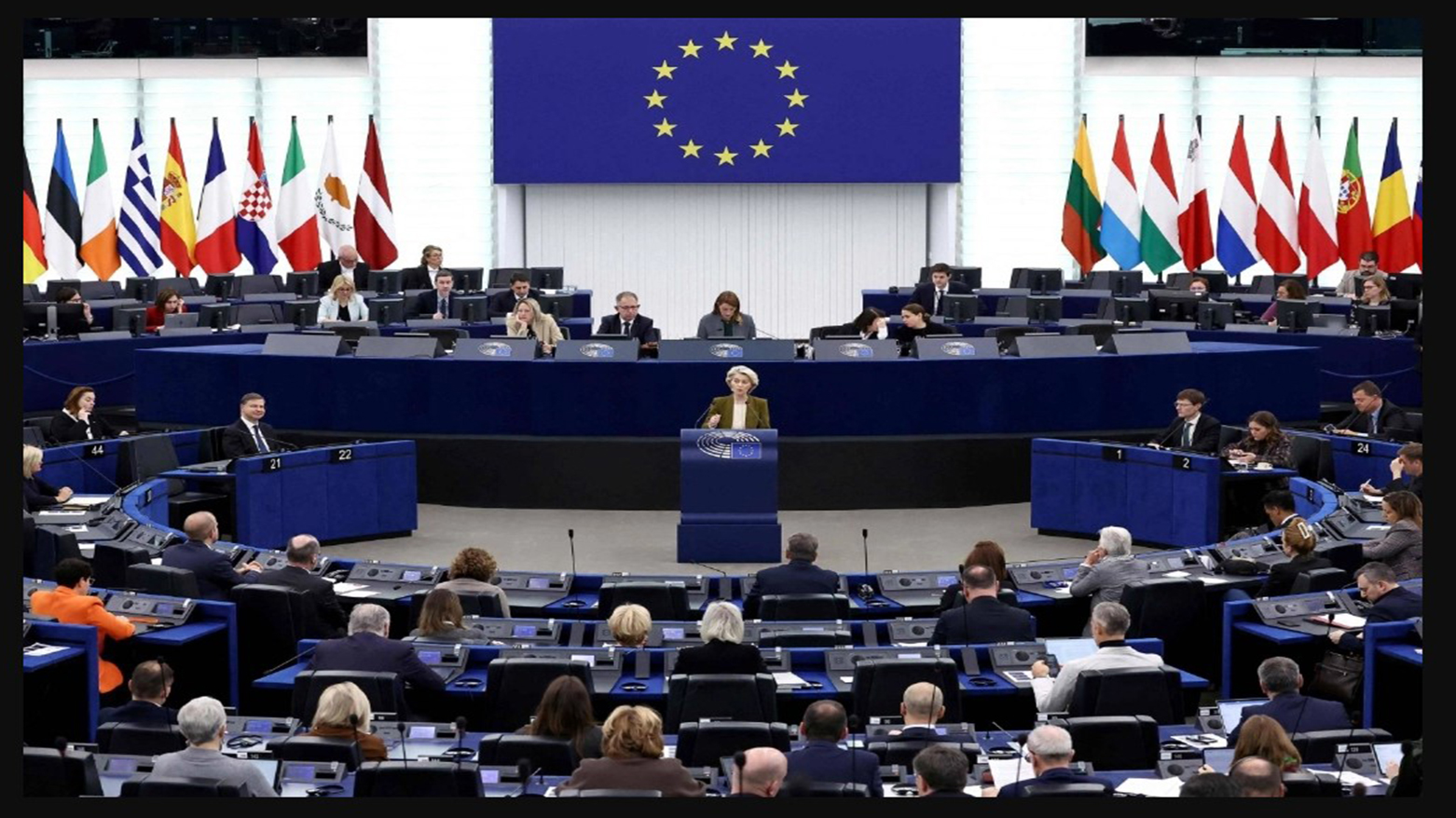
ERBIL (Kurdistan24) — France on Wednesday announced it would support efforts to place Iran’s Islamic Revolutionary Guard Corps (IRGC) on the European Union’s list of terrorist organizations, marking a significant shift in Paris’s stance amid growing outrage over Tehran’s violent repression of nationwide protests.
The French presidency said Paris would back a move led by Italy to designate the IRGC as a terrorist group, citing what it described as the force’s leading role in a deadly crackdown on demonstrators.
“France supports the inclusion of Iran’s Islamic Revolutionary Guard Corps (IRGC) on the European list of terrorist organizations,” the Élysée Palace said in a statement.
Foreign Minister Jean-Noël Barrot echoed the position in a post on X, condemning what he called the “unbearable repression of the peaceful uprising of the Iranian people.” He added that the “extraordinary courage” shown by protesters in the face of “blind violence” must not be in vain.
France’s endorsement follows earlier backing from Italy and Germany, with German Chancellor Friedrich Merz also throwing his weight behind the proposal on Wednesday. Merz said he regretted that “one or two countries” within the EU were still not prepared to support the designation.
With Paris, Rome, and Berlin now aligned, the measure is expected to gain political approval as early as Thursday, though it still requires unanimity among the bloc’s 27 member states.
The IRGC, regarded as Iran’s ideological military force tasked with safeguarding the 1979 Islamic Revolution, is already designated a terrorist organization by the United States, Canada, and Australia, but not yet by the EU or the United Kingdom.
An EU designation would impose travel bans and asset freezes on IRGC members and prohibit making funds or economic resources available to those listed, under European Council rules.
France had previously hesitated to support such a move, fearing it could sever remaining diplomatic channels with Tehran. The shift reflects mounting pressure within Europe following Iran’s most recent wave of unrest, which erupted on December 28 over rising living costs and quickly spread nationwide.
The protests were met with a violent response, details of which only emerged after an unprecedented nationwide internet blackout lasting more than two weeks. According to figures published Wednesday by the U.S.-based Human Rights Activists News Agency, at least 6,221 people were killed, including 5,858 protesters, 214 government-affiliated forces, 100 children, and 49 civilians who were not participating in demonstrations.
EU diplomats say the growing consensus among major member states underscores a hardening European approach toward Tehran, as calls intensify for accountability over the crackdown and the IRGC’s role in enforcing it.