Iraq Begins Transfer of ISIS Prisoners from Syria in Coordination with International Coalition
The transfer operation was carried out at night under strict security measures to protect the convoy from possible attacks by armed groups or ISIS sleeper cells operating in the region.
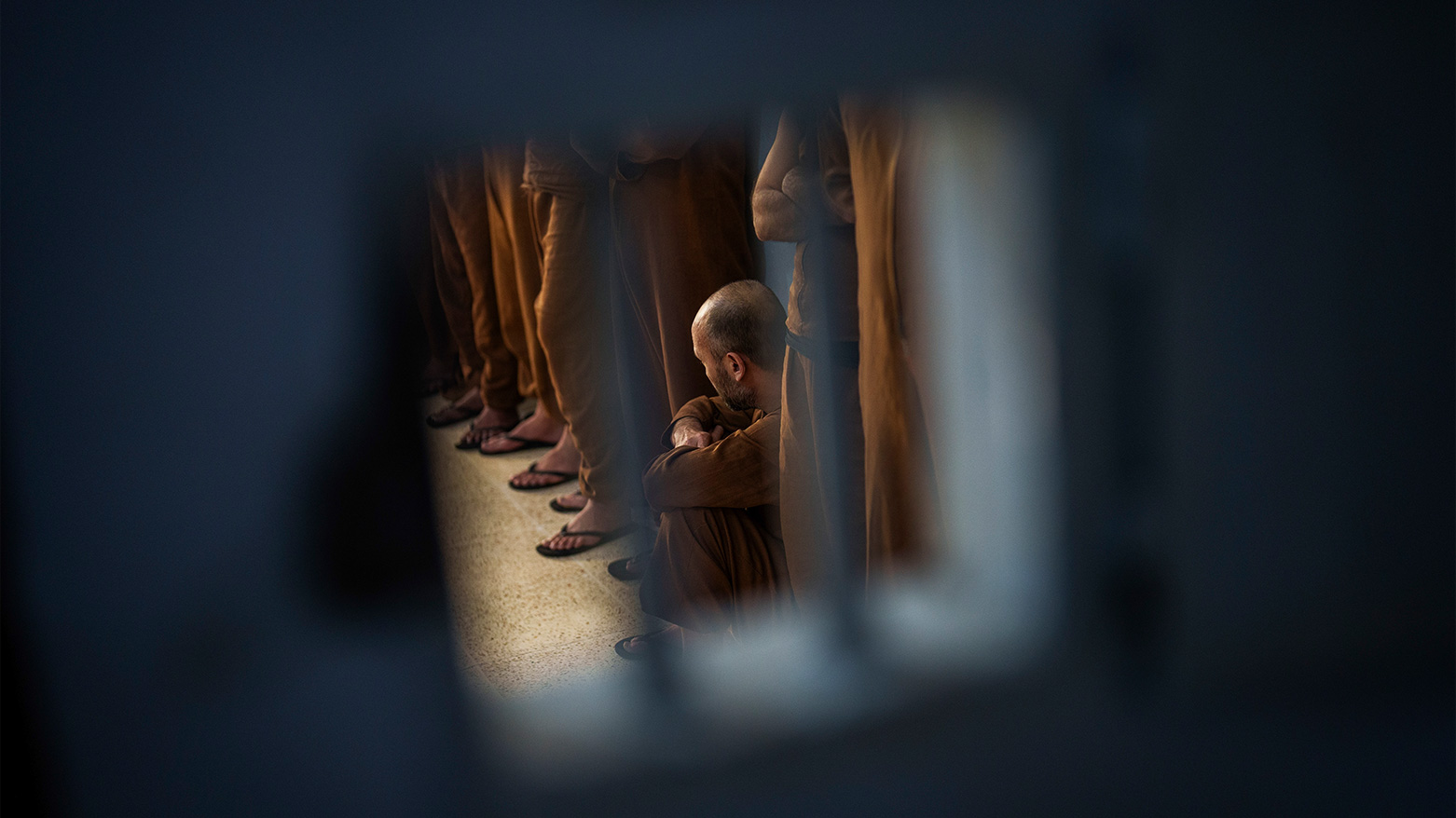
ERBIL (Kurdistan24) – The Iraqi government, in coordination with international coalition forces, has launched the first phase of transferring hundreds of ISIS prisoners from Syria to Iraq, marking a new step in efforts to address the issue of detained militants in Western Kurdistan (northeastern Syria).
According to Kurdistan24 correspondent Barzan Dilan in Western Kurdistan, 300 ISIS fighters — including several senior figures within the organization — were transferred from al-Sina'a prison in Hasakah to Iraqi detention facilities over the past two days.
The transfer operation was carried out at night under strict security measures to protect the convoy from possible attacks by armed groups or ISIS sleeper cells operating in the region.
Officials said the current transfer represents only the first phase of a broader plan, as more than 5,000 ISIS detainees remain in the prison and are expected to be repatriated to Iraq in several stages in the coming period.
Meanwhile, Kurdistan24 correspondent Shvan Jabari reported from Baghdad that Iraq’s Interior Ministry has formally received the prisoners, and judicial authorities have begun investigating their cases in preparation for legal proceedings.
However, the move has sparked concerns in some Iraqi provinces, particularly Nineveh. Ahmad Kanaan, a member of the Nineveh Provincial Council, voiced opposition to relocating detainees to the province, warning that their presence could threaten ongoing reconstruction efforts and discourage investment in Mosul.
On the diplomatic front, Iraqi National Security Advisor Qasim al-Araji urged European countries to repatriate their nationals who joined ISIS, stressing that Iraq is working to resolve the detainee issue while also facilitating the return of Iraqi families from Syria’s al-Hol camp for rehabilitation and reintegration into society.
The situation of ISIS prisoners in northern Syria, along with the conditions in the al-Holl camp, continues to represent a major security and humanitarian challenge. Al-Sina'a prison in Hasakah, which holds thousands of extremists, has previously been targeted in major attacks, prompting increased international coordination and pressure to find long-term solutions for detainees.