Syrian Army Begins Withdrawal from Hasakah Outskirts Under New Security Pact with Kurdish Forces
Syrian Arab Army units withdrew from Hasakah to Shaddadi as the SDF secured strategic Mount Qazwan. The move follows a Damascus-SDF pact on military integration, Kurdish rights, and lifting sieges.
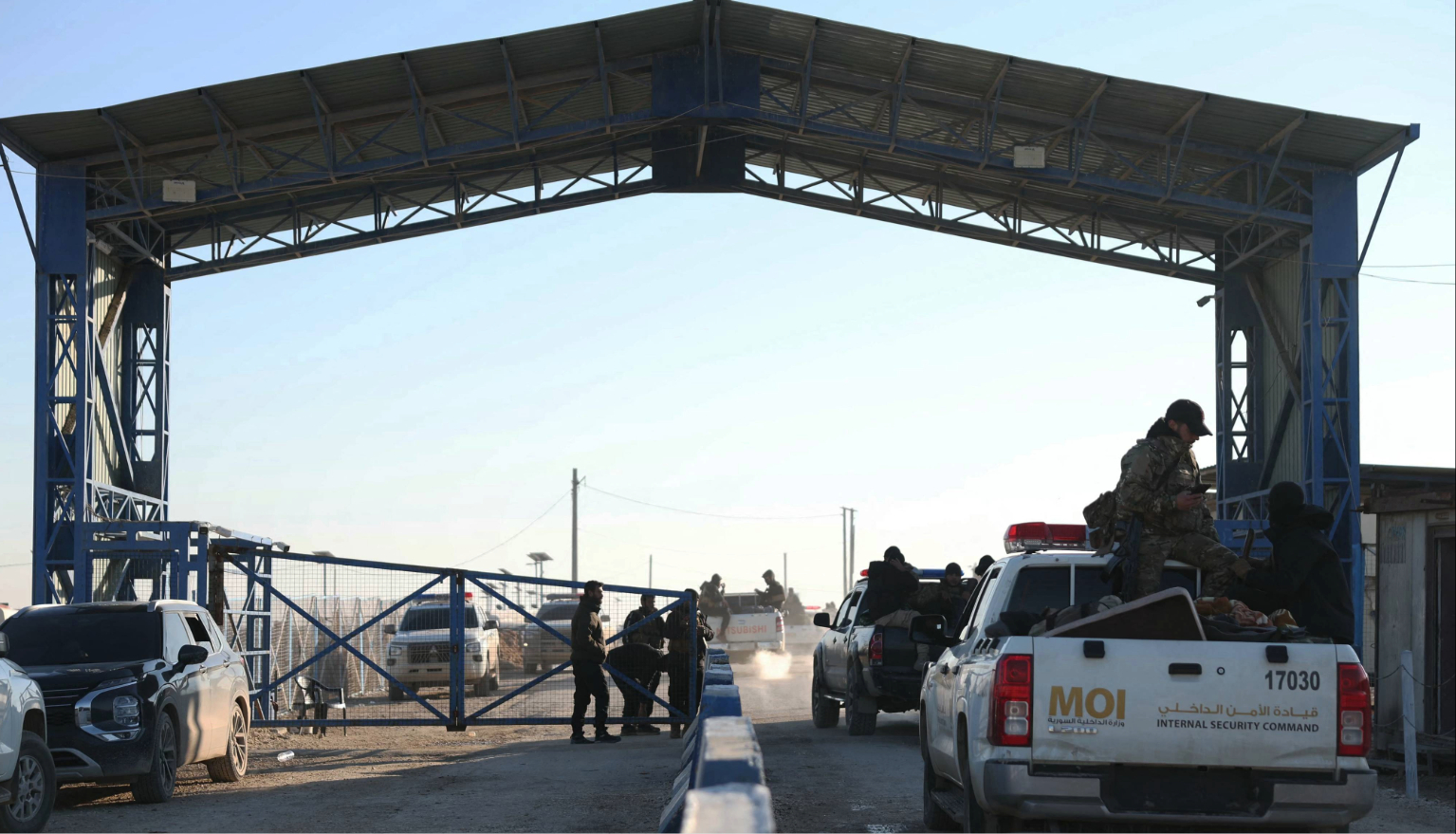
ERBIL (Kurdistan24) - Syrian Arab Army forces began vacating their trenches and strategic positions surrounding Hasakah province on Friday night, marking the initial implementation of a comprehensive security and administrative agreement reached between the central government in Damascus and the Kurdish-led Syrian Democratic Forces. The military redeployment, which continued into Saturday, signals a significant shift in the security architecture of northeastern Syria following weeks of volatility.
According to Dilan Barzan, Kurdistan24 correspondent reporting from Western Kurdistan (Rojava), the withdrawal of the Syrian Arab Army (SAA) was initiated late Friday evening. Military units previously stationed on the outskirts of the city moved toward the Shaddadi area. Simultaneously, units of the Syrian Democratic Forces (SDF) began positioning themselves at Mount Qazwan, also known as Mount Abdulaziz.
The movement to Mount Qazwan is viewed as a significant tactical development. Situated southwest of Hasakah, the mountain serves as a strategic geographic high point. Military analysts noted that control of this position affords the SDF enhanced dominance over the southern approaches to the city, effectively establishing a new defensive perimeter as national forces move toward the interior.
The redeployment follows a formal announcement late Friday by Mazloum Abdi, the General Commander of the Syrian Democratic Forces. Mr. Abdi disclosed the details of a multifaceted agreement signed with the Damascus government, which he characterized as a necessary measure intended to protect the civilian population and prevent a further escalation of hostilities or massacres.
Under the terms of the accord, the military status of the SDF will undergo a formal transition. The force is slated to become an integrated component of the Syrian Ministry of Defense. However, a key provision of the agreement stipulates that the SDF will maintain its current organizational structure, remaining as distinct brigades and military units operating within their own respective regions. This arrangement allows for state integration while preserving the local character and command of the Kurdish-led defense forces.
The agreement also addresses internal security and the governance of urban centers. The Asayish, the internal security forces that have managed the region’s cities for much of the conflict, will be incorporated into the Syrian Ministry of Interior. Their primary mandate will remain the protection of city interiors. Crucially, the pact includes a guarantee that the Syrian Arab Army will not enter Kurdish cities or villages, leaving civil security to the restructured local units.
In the administrative and cultural spheres, the agreement grants official status to Kurdish-language education in schools and universities across the region. Furthermore, personnel currently employed by the Autonomous Administration will be transitioned to the status of state employees, a move expected to stabilize the regional workforce by placing them on the national payroll. The overarching administration of the region is expected to remain in the hands of the local population.
Regarding the city of Kobane, which has faced significant pressure in recent days, the agreement mandates an immediate lifting of the military siege. Under the terms disclosed by Mr. Abdi, government-affiliated forces positioned within the city are required to withdraw to the outskirts, easing the humanitarian and security constraints on the urban center.
The implementation of these measures is supported by international oversight. According to the SDF command, the United States and France are fully apprised of the technical details of the pact and will serve as political guarantors for its execution. This international dimension is viewed as essential for maintaining the ceasefire and ensuring both parties adhere to the outlined integration timeline.
In a concluding assessment of the deal, Mr. Abdi acknowledged the political compromises involved. He emphasized that while the final document does not meet every aspiration of the Kurdish leadership, it represented the "best option" available for safeguarding the security and political gains achieved by the people of the region during the years of conflict.
This article was updated on Saturday, Jan. 31, 2026, at 11:32am.