“Radio Kobani” Documentary Debuts in Kurdistan Theaters, Raising Funds for Rojava Relief
Regional cinemas in Erbil, Duhok, and Sulaimani will screen the documentary "Radio Kobani" tonight at 6:00 p.m., with all ticket proceeds being donated to support humanitarian relief in Rojava.
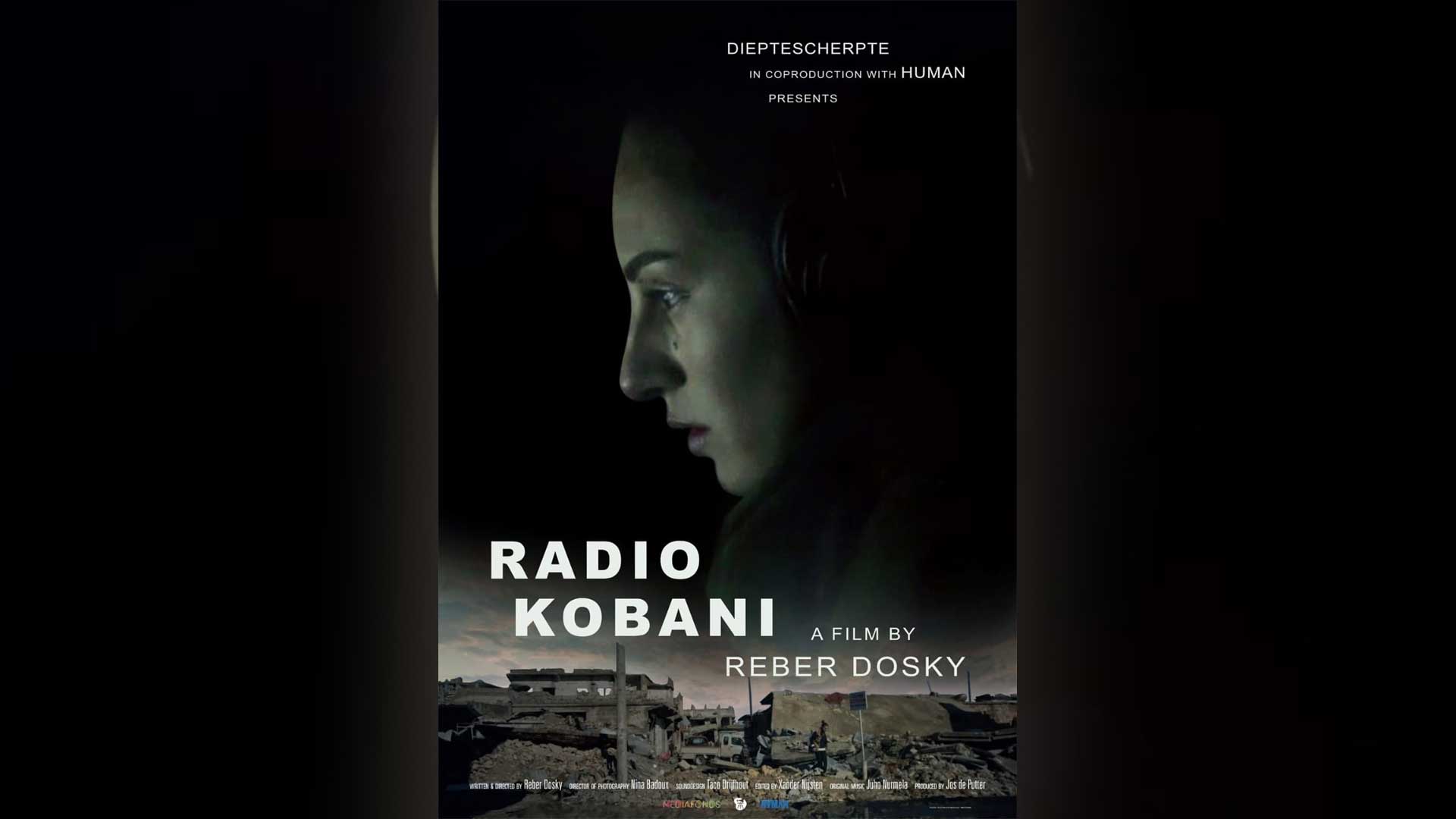
ERBIL (Kurdistan24) - Cinematic institutions and regional film collectives in the Kurdistan Region announced on Saturday a coordinated initiative to screen the documentary "Radio Kobani" in major urban centers, with all box office proceeds intended as humanitarian support for Western Kurdistan (Rojava).
The project, organized under the descriptive slogan "Cinema of Resistance," represents a synchronized effort between regional youth arts clubs and established cinema houses to leverage cultural production for humanitarian relief.
The screenings, which are scheduled to commence at 6:00 p.m. local time on Saturday, January 31, 2026, will take place concurrently at Erbil Cinema, Duhok Cinemax, and Cinema Salim in Sulaimani.
According to details provided by the organizers, the project is a collaborative venture between the Art Cinema Youth Club and the Rangin Film Collective, in direct coordination with the management of the participating regional theaters.
Reber Dosky, the director of the documentary, provided an extensive account of the film’s production and its charitable objective during an interview with Kurdistan24 on Saturday. Dosky noted that the project was a significant undertaking that required three years of active filming to complete.
He emphasized that the work was produced using a professional crew and featured several actors, positioning the documentary as a high-quality production designed to capture the complexities of its subject matter.
"The documentary 'Radio Kobani' was filmed over three years with several actors and was produced with a professional crew," Dosky told Kurdistan24. "We are screening this film in the cinemas of Erbil, Duhok, and Sulaimani, and we have decided that the proceeds from the film will be allocated as aid to Rojava."
During the interview, Dosky issued a direct appeal to the public across the Kurdistan Region, framing the purchase of a cinema ticket as an act of solidarity. He urged citizens to attend the 6:00 p.m. screenings as a tangible way to provide assistance to the population in Western Kurdistan. "I call upon all the people of Kurdistan to come and watch the film; let us help our brothers and sisters in Rojava by purchasing a ticket," he stated.
The documentary centers on the specific narrative of Dilovan, a 20-year-old Kurdish woman who serves as the film’s primary protagonist. Following the liberation of the city of Kobani, Dilovan establishes a local radio station, utilizing the medium of broadcast to address the collective trauma of the city's inhabitants.
According to the director's description, the film meticulously follows her journey as she conducts interviews with a broad spectrum of the community, including conflict survivors, refugees, and poets.
Dosky characterized the story of Dilovan as both poetic and impactful, focusing on her resilience as a figure who refuses to abandon hope despite the challenging circumstances surrounding her. The director indicated that the radio programs featured in the film are intended to restore a sense of comfort and peace to listeners identified as having "wounded hearts."
The narrative arc of the documentary focuses on the dual themes of physical reconstruction and the psychological effort required for the citizens of Kobani to rebuild their futures.
The administrative coordination behind the "Cinema of Resistance" campaign highlights a growing trend of institutional collaboration within the Kurdistan Region’s cultural sector. By bringing together organizations such as the Art Cinema Youth Club and the Rangin Film Collective with major commercial and independent cinemas, the project aims to maximize its logistical reach.
The decision to screen the film in Erbil, Duhok, and Sulaimani ensures that a significant portion of the region's population has access to the event and the opportunity to contribute to the aid fund.
Organizers emphasized that the screening of "Radio Kobani" serves as a gesture of support for the ongoing challenges faced by Western Kurdistan. As the film premieres this evening, the focus of the regional arts community remains on the dual role of cinema as both a record of historical struggle and a functional tool for humanitarian intervention.
The involvement of professional crews and the three-year developmental period cited by Dosky suggest a production intended to provide a lasting artistic document of the post-liberation efforts in Kobani, even as its current distribution serves an immediate financial need for Rojava.