Iran Says Negotiation Framework With U.S. Is Progressing as Trump Signals Tough Stance
President Trump said Iran is in talks with the U.S., but the outcome remains uncertain. “We have a big fleet heading out there,” he added.
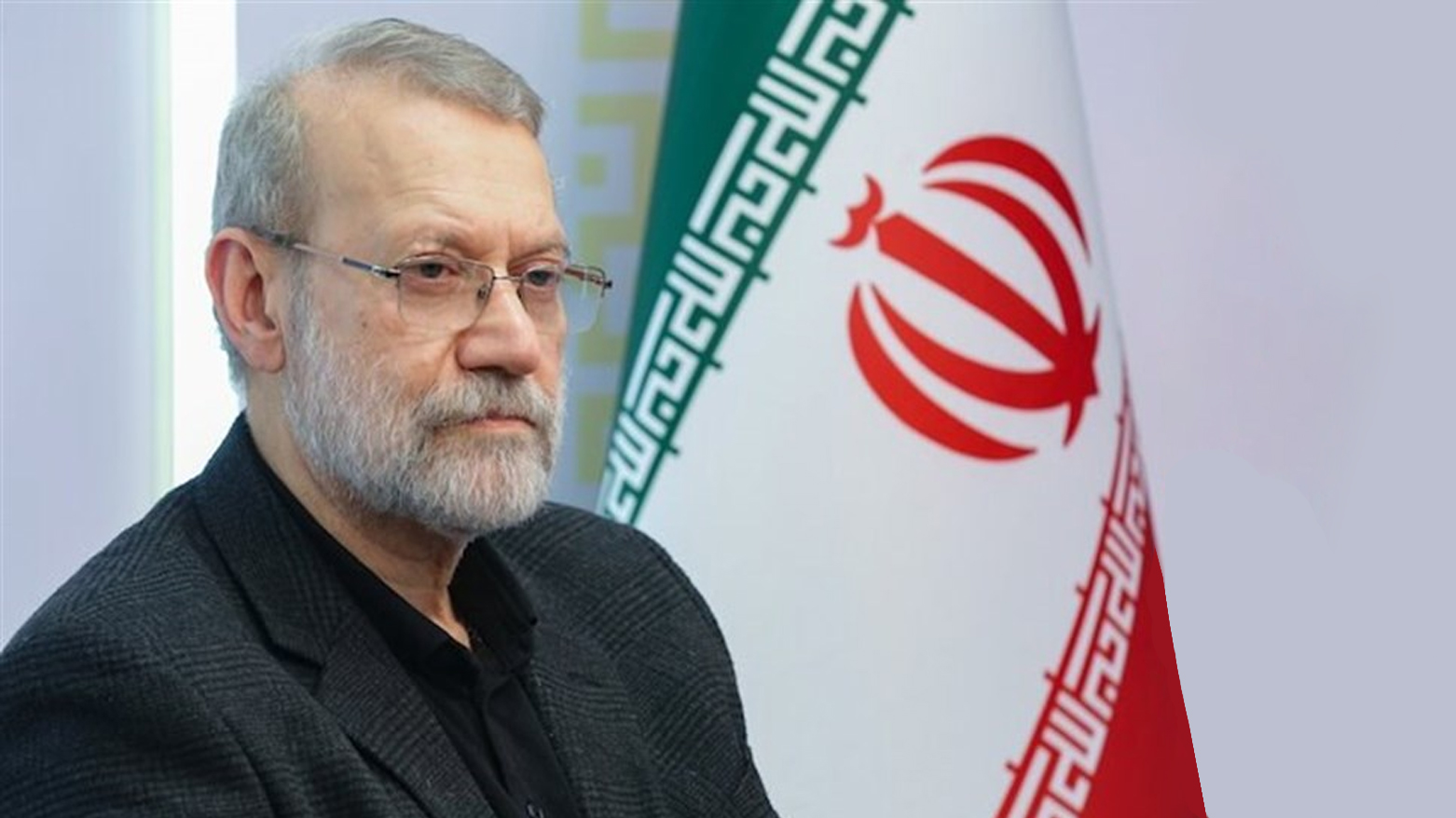
ERBIL (Kurdistan24) — Iran’s top security official Ali Larijani said on Saturday that Tehran is advancing work toward establishing a framework for negotiations with the United States, dismissing what he described as a “manufactured media war” surrounding the issue. Larijani’s statement on X signals cautious movement in diplomatic channels, even as Iran and the U.S. continue to trade firm rhetoric over broader geopolitical and security disputes.
Larijani, head of Iran’s Supreme National Security Council, wrote that, despite aggressive media narratives, “the formation of a structure for negotiations is underway.” He did not provide details on the content or timeline of the discussions, but his remarks suggest that Iran is exploring diplomatic avenues with Washington amid ongoing regional tensions.
Iranian officials, including Larijani in past comments, have emphasized their preference for substantive talks over superficial engagements, insisting that negotiations must be genuine and free of predetermined outcomes. Earlier statements by Larijani reflected Tehran’s insistence on serious diplomatic dialogue rather than symbolic negotiations.
At the same time, U.S. President Donald Trump reiterated a firm and somewhat ambiguous stance in an interview with Fox News on Saturday, stating that Washington cannot disclose its full plans to Gulf allies or the public.
Trump said Iran is in talks with the U.S., but the outcome remains uncertain. “We have a big fleet heading out there,” he added, highlighting a strong military posture in the region.
Pressed on Gulf partners’ doubts over Iran’s intentions in negotiations, Trump acknowledged the talks but emphasized past failures, referring to earlier negotiations over Iran’s nuclear program that, in his view, did not succeed.
His comments underscored continued U.S. pressure on Tehran while leaving open the possibility of diplomatic progress.
The divergent messages from Tehran and Washington reflect the broader strategic contest in the Middle East. Iran seeks to frame negotiations as progressing despite external noise, while the U.S. underscores its military readiness and cautious diplomatic engagement.
The interplay between negotiation signals and force posturing highlights the complexity of U.S.–Iran relations, where diplomacy and deterrence coexist in a delicate balance.
The unfolding dynamic between Tehran and Washington will be closely watched by Gulf states, European partners, and other stakeholders concerned with stability and security in the region.
As developments continue, observers will be looking for concrete diplomatic engagements or signals that movement toward negotiations is more than rhetoric.