Iraqi National Security Service Reports Dozens of Arrests in January Amid Rising Crime Concerns
Weak security, uncontrolled militias, and porous borders contribute to high crime rates across Iraq.
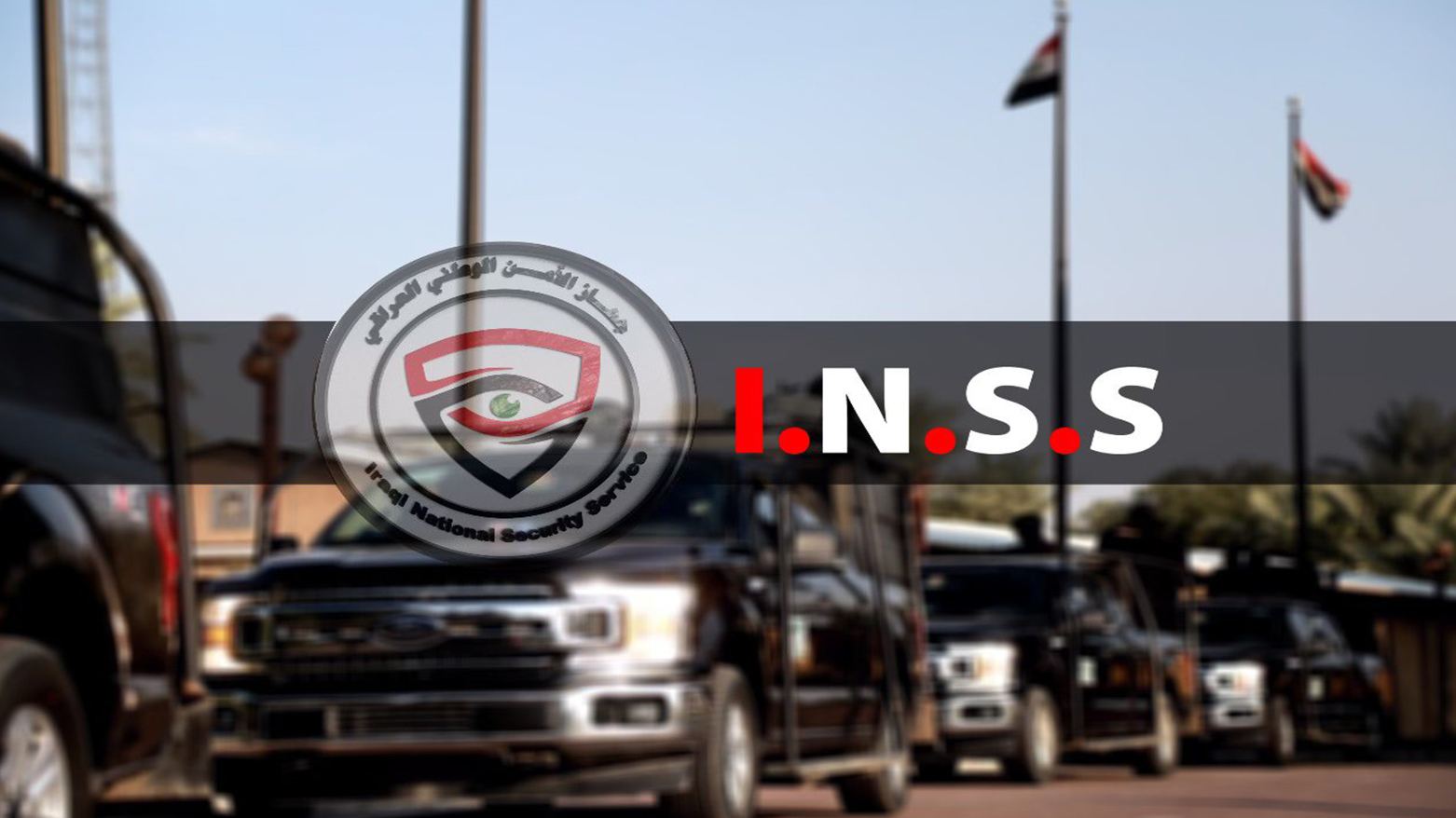
ERBIL (Kurdistan24) — The Iraqi National Security Service (INSS) announced on Saturday the results of its key operations for January 2026, highlighting the arrest of 16 terrorism suspects, 34 drug traffickers, and 87 individuals accused of extortion and threats, in addition to other specialized operations carried out across multiple governorates. The agency praised the efforts of its personnel for targeting criminal networks and maintaining public safety under challenging circumstances.
Security analysts warn that Iraq continues to struggle with high crime rates due to structural weaknesses in state security mechanisms. Militias operating outside government control, combined with insufficient border security, have created gaps that criminal and terrorist networks exploit to expand their operations.
Experts note that the rise in organized crime, drug trafficking, and extortion cases is closely linked to these systemic issues, highlighting the urgent need for reforms in law enforcement and border management.
The INSS report underscores the growing role of federal security institutions in attempting to restore law and order, but experts stress that without comprehensive oversight of armed groups and strengthened coordination among federal, regional, and local authorities, these operations risk being temporary solutions rather than long-term deterrents.
In recent years, Iraq has witnessed a pattern of escalating crime and violence, from urban extortion networks in Baghdad and Basra to smuggling and illicit trade along poorly monitored borders with Syria and Iran.
These challenges are compounded by the political fragmentation of security oversight and limited resources for federal agencies tasked with maintaining nationwide security.
The INSS operations in January, while significant, highlight the ongoing tension between enforcement successes and structural vulnerabilities, illustrating the difficult balance Iraq faces in securing its population and stabilizing its cities amid persistent threats from criminal networks and extremist elements.