Iraqi FM Confirms Change in US Envoy as Political Tensions Mount
Speaking to Kurdistan24, Hussein said the change comes at a sensitive time, as disagreements persist over Iraq’s political direction and the nomination of former prime minister Nouri al-Maliki.
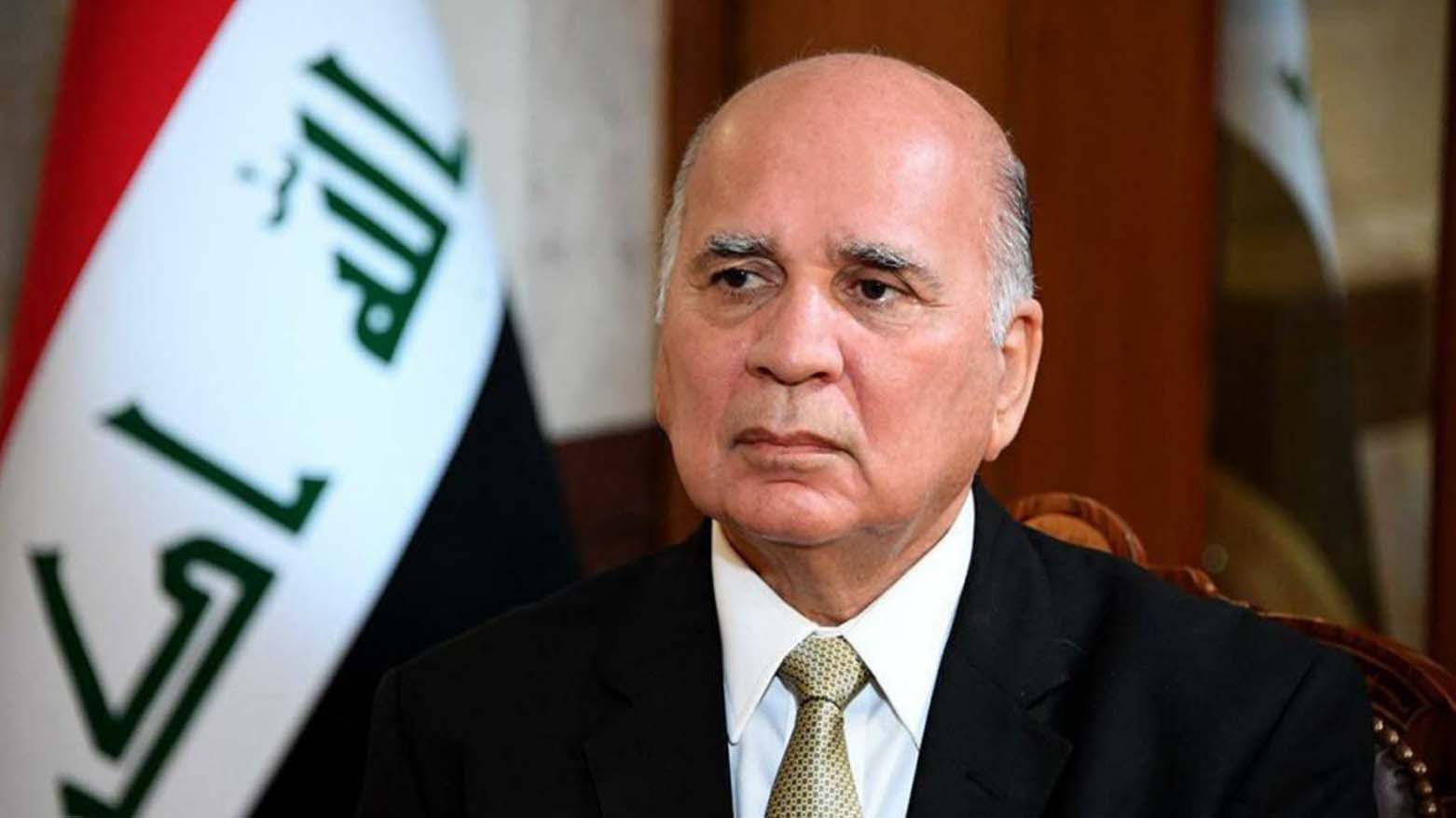
ERBIL (Kurdistan24) – Iraqi Foreign Minister Fuad Hussein said on Sunday that Mark Savaya is no longer serving as the United States’ special envoy to Iraq and that Tom Barrack is set to take over the role, amid growing political tensions between Washington and Baghdad.
Speaking to Kurdistan24, Hussein said the change comes at a sensitive time, as disagreements persist over Iraq’s political direction and the nomination of former prime minister Nouri al-Maliki.
“The Coordination Framework insists on nominating Nouri al-Maliki, but the US position has created a new situation,” Hussein said, adding that it remains unclear whether Washington’s stance toward al-Maliki is temporary or permanent.
Hussein’s comments follow reports that Savaya, who was appointed by US President Donald Trump in October, has stepped aside as Washington seeks to recalibrate its approach to Iraq. According to sources cited by Reuters, US Ambassador to Turkey and Special Envoy to Syria Tom Barrack is expected to assume responsibility for the Iraq file.
The reported change comes as relations between Baghdad and Washington have become increasingly strained. Trump has recently warned Iraqi leaders that US support could be withdrawn if al-Maliki were selected again as prime minister.
Savaya’s departure has not been formally explained, though sources pointed to his lack of diplomatic experience and his handling of key political developments, including the failure to prevent al-Maliki’s nomination by Iraq’s largest parliamentary bloc. Savaya has denied any change in his status, while US officials have declined to comment publicly.
In a related political development, Hussein addressed the ongoing dispute over Iraq’s presidency, stating that the Patriotic Union of Kurdistan (PUK) has the constitutional right to nominate a candidate. However, he noted that the party is prepared to give up all positions in Baghdad in exchange for securing the presidency.
He stressed that it would have been preferable for the PUK and the Kurdistan Democratic Party (KDP) to reach a consensus candidate. “If no agreement is reached, parliament will decide on the presidency,” Hussein said.
Meanwhile, Iraq’s Shiite Coordination Framework has reaffirmed its commitment to nominating al-Maliki, rejecting what it described as external interference and insisting that the selection of the next prime minister is an internal constitutional matter.
The bloc emphasized its support for al-Maliki while also calling for balanced relations with the international community, underscoring that Iraq’s political process should proceed in line with constitutional mechanisms and national interests.