Trump Says U.S. Negotiating with Cuba After Threatening Oil Blockade
Washington pressures Havana as fuel shortages bite and dialogue remains elusive.
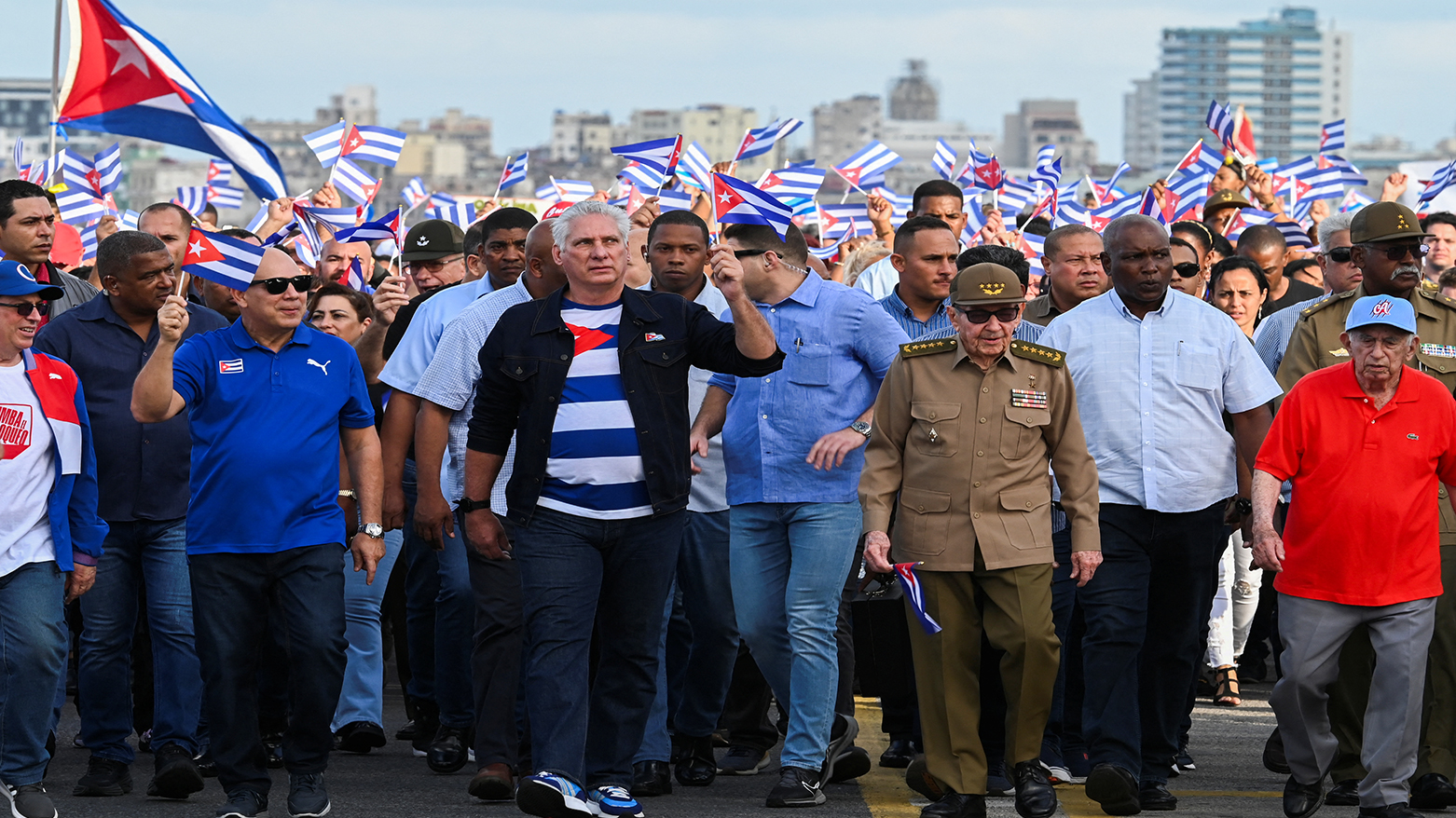
ERBIL (Kurdistan24) — U.S. President Donald Trump said Sunday that Washington is negotiating with Cuba’s leadership to strike a deal, just days after he threatened the island nation’s struggling economy with a virtual oil blockade.
Trump made the comments at his Mar-a-Lago estate in Florida, asserting that Cuba—a longtime communist ally—“is a failing nation” and that talks are underway with “the highest people in Cuba” to see what might be agreed.
Trump’s remarks follow a series of aggressive moves by his administration to tighten economic pressure on Havana, particularly after a U.S. operation on Jan. 3 ousted Venezuelan leader Nicolás Maduro, depriving Cuba of one of its main sources of oil.
Cuba’s Ministry of Foreign Affairs did not confirm the reported negotiations but took the opportunity to reject U.S. claims that the island is a “threat to the security of the United States.”
The ministry asserted that Cuba does not host foreign military or intelligence bases and expressed willingness to engage in “respectful and reciprocal dialogue” with Washington.
Trump’s pressure campaign intensified last week when he signed an executive order to impose additional tariffs on countries that sell oil to Cuba, part of broader U.S. efforts to constrain Havana’s energy lifelines.
The move prompted concerns that Mexico—Cuba’s main oil supplier since Venezuelan shipments stopped—could face U.S. retaliation, with Mexican President Claudia Sheinbaum warning of possible humanitarian consequences from fuel shortages.
On the ground in Cuba, the impact of oil supply pressures has been visible. Reports of long queues at gas stations and recurring power outages have underscored the island’s energy challenges, even as Cuban officials denounce what they characterize as an “energy blockade” aimed at suffocating the economy.
During a recent visit to Trinidad province in central Cuba, U.S. Chief of Mission Mike Hammer said he encountered locals who “shouted some insults” at him, reflecting public frustration with U.S. policy.
The U.S. State Department’s Bureau of Western Hemisphere Affairs condemned the actions as interference with diplomatic work, pledging to continue engaging with ordinary Cubans despite what it described as intimidation.
Trump and Secretary of State Marco Rubio, a Cuban-American and vocal critic of the Havana government, have openly signaled their desire to bring about regime change in Cuba.
Trump has repeatedly warned that if Havana does not negotiate, the island could face severe economic consequences, famously declaring “NO MORE OIL OR MONEY FOR CUBA: ZERO!” in a social media post earlier this year.
Meanwhile, Mexico has taken steps to provide humanitarian aid, such as food and essential supplies, to Cuba, asserting its intent to pursue a diplomatic solution to maintain oil deliveries despite U.S. tariff threats.
Cuban President Miguel Díaz-Canel has denied current substantive talks with Washington, insisting that dialogue must be grounded in international law, mutual respect, and sovereign equality, and warning that Cuba will not yield to coercion.