Kurdistan Region's Water Reserves Surge Past One Billion Cubic Meters as Key Dams Overflow
Aqoban Dam in Shaqlawa has reached full capacity and begun overflowing after heavy rain and snow, as total stored water across the Kurdistan Region surpassed one billion cubic meters, signaling a major recovery in regional reserves.
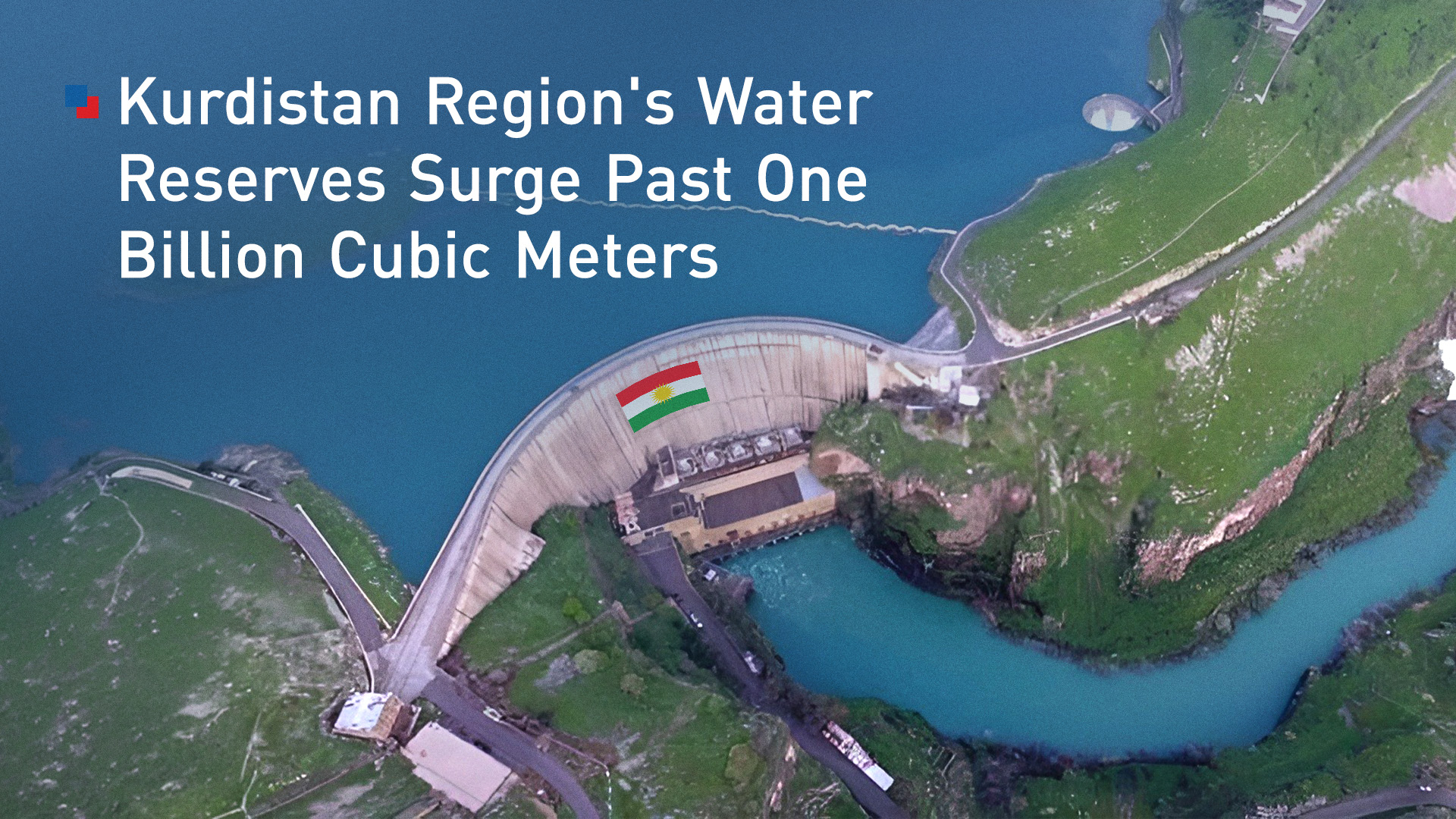
ERBIL (Kurdistan24) - The roar of rushing water echoed across the hills of Shaqlawa as Aquban Dam, standing on the district’s boundary, reached full capacity and began spilling over, marking a powerful moment in a season shaped by intense rain and snow across the Kurdistan Region.
The overflow follows a wave of heavy precipitation that swept across several areas of the region, filling reservoirs and sharply raising water levels. As a result, Aquban Dam has become fully saturated and entered spillway operation, while the total volume of stored water across the Kurdistan Region has now exceeded one billion cubic meters.
According to information provided by Kurdistan24 correspondent Havrest Rajab, Aquban Dam is one of the strategic projects of the Kurdistan Regional Government’s ninth cabinet and was constructed at a cost of eight billion and one hundred million Iraqi dinars. The dam stands thirty-one meters high and covers an area of four hundred thousand square meters, with a storage capacity of two point six million cubic meters of water.
The project was not designed solely for water storage. Its broader objectives include raising groundwater levels, supporting irrigation, revitalizing fish resources in the surrounding area, protecting the local environment, and reducing the risks of flooding. The dam is also expected to serve as a key tourism site within the Shaqlawa district.
The spillway operation at Aquban comes alongside a significant rise in water levels at dams across the Kurdistan Region. Official figures show that, driven by this year’s rainfall, the total volume of stored water has now surpassed one billion cubic meters. This development is being viewed as encouraging news for farmers and a major step toward confronting drought and strengthening environmental protection.
Heavy rainfall in recent weeks has improved water storage across the Kurdistan Region. Local authorities say lakes, ponds, dams, and groundwater levels have risen sharply, helping replenish wells and natural springs ahead of spring. Officials described the heavy rainfall as allowing the region’s water systems to “take a breath,” easing concerns about expected summer shortages.
In Duhok province, Khans Dam overflowed after twenty-four millimeters of rainfall within twenty-four hours. The dam, the second largest in the province, holds a storage capacity of seven million cubic meters and plays a strategic role in agriculture, livestock, tourism, and groundwater replenishment in the Shekhan district. Built under the ninth cabinet of the Kurdistan Regional Government, it stands thirty-four point five meters high and stretches one hundred and ninety-five meters in length.
Smaquli Dam in Erbil province’s Koya district also reached full capacity and overflowed following heavy rainfall. Built in 2017, it has a storage capacity of eight million cubic meters. Koya district recorded twenty-nine millimeters of rainfall in twenty-four hours, bringing the seasonal total to around three hundred and thirty millimeters, compared to less than two hundred millimeters during the previous year.
At Dukan Dam, water levels rose by four meters and thirty-nine centimeters after two waves of heavy snow and rain. Engineer Kochar Jamal, the director of the dam, reported to Kurdistan24 that rainfall in the area has reached three hundred and twenty-two millimeters, compared to ninety-eight millimeters during the same period last year, and exceeding last year’s total of two hundred and thirty millimeters. He said inflow has increased sevenfold, while outflows remain restricted to drinking water only to preserve reserves for future seasons.
From Shaqlawa to Duhok and Koya to Dukan, the surge in water levels reflects a dramatic seasonal shift, offering renewed hope for agriculture, environmental protection, and long-term water security across the Kurdistan Region.