Kurdistan Region Expands Domestic Agriculture to Achieve Self-Sufficiency, Ministry Says
KRG strengthens domestic agriculture with surpluses, exports, storage, and processing to support self-sufficiency and market stability.
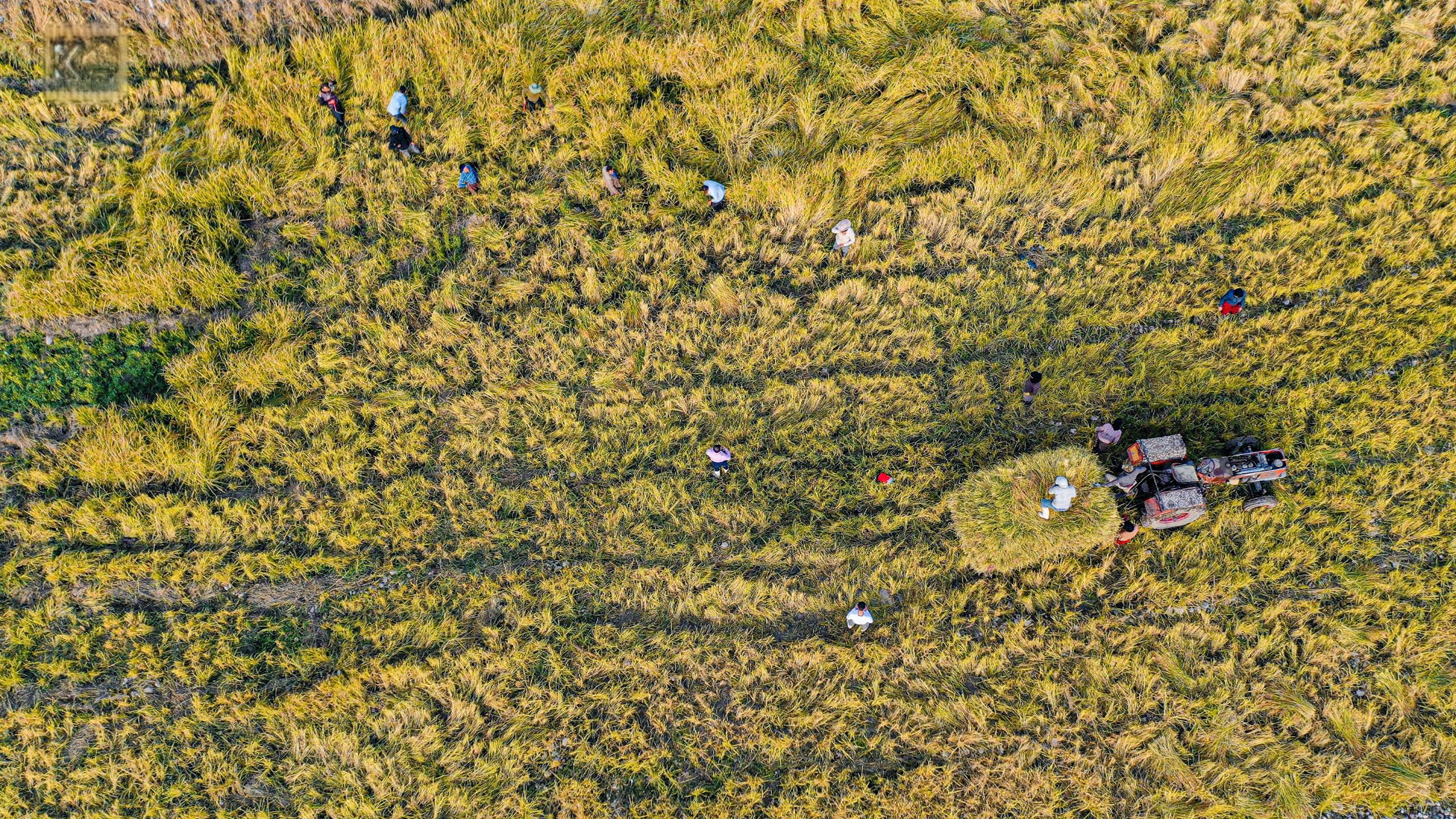
ERBIL (Kurdistan24) – The Kurdistan Regional Government (KRG) is pursuing a plan to bolster domestic agricultural production and reduce reliance on imports, officials said Saturday. Hiwa Ali, spokesperson for the Ministry of Agriculture and Water Resources, said in a television interview that the government seeks to reach self-sufficiency in most primary products.
The ministry’s plan, Ali explained, emphasizes the cultivation and distribution of crops within the Region.
“The Kurdistan Region requires approximately 450,000 tons of potatoes for consumption annually, but production levels have now reached nearly 700,000 tons,” Ali said. The surplus, he added, has allowed for exports of potatoes to Gulf countries and Europe, while fully meeting domestic demand.
Ali highlighted the Ministry’s use of an “agricultural calendar” to manage supply and market stability.
During seasons when domestic production is sufficient, the importation of equivalent products—including tomatoes, potatoes, and other seasonal crops—is prohibited. “This policy aims to protect farmers from financial losses and ensure the successful marketing of their products,” he said.
Officials also reported improvements in the transport of agricultural goods to central and southern Iraq. “Previously, there were obstacles and illegal taxes, but now, through a technical committee and a unified form, the products of the Region’s farmers reach other Iraqi markets easily,” Ali said.
According to the ministry, approximately 10,000 tons of the Region’s agricultural products are shipped to Iraqi cities daily.
The ministry’s strategy extends to year-round availability of local products. Farmers are encouraged to implement hydroponic systems and greenhouses, and to construct cold storage facilities to preserve crops during periods of lower production. These measures are intended to maintain supply and reduce the need for imports throughout the year.
Regarding cereal production, Ali expressed cautious optimism for this year’s wheat harvest. Favorable rainfall is expected to support output, and coordination with the federal government is ongoing to receive farmers’ wheat at appropriate prices through silos.
The KRG’s emphasis on domestic production aligns with recent developments in the Region’s agricultural and livestock sectors. In the district of Akre, a significant winter weather system has ended a previous period of drought, providing relief to livestock owners.

According to a January 10 report from Kurdistan24, the district received more than 520 millimeters of rain and 35 centimeters of snow, replenishing pastures and supporting a herd population of over 60,000 sheep and livestock.
Local farmers in Akre expressed relief at the shift in conditions. “The year 2025 was a very difficult year; water and rain were scarce, and it was a drought,” said Sagvan Nayif, a livestock owner. He added that the recent snowfall has restored hope for a productive season.
Another farmer, Tahir Tamo, acknowledged government support during the previous lean period, noting, “In the year 2025, the government assisted us, and we thank them. We hope that this year, like last year, they will assist us so that we can secure our livelihood.”
The resurgence of precipitation in Akre mirrors broader regional weather patterns, with rainfall recorded across multiple governorates. For example, the sub-district of Hiran in Erbil Governorate recorded 104 millimeters of rain in a single day, while Kani Masi in Duhok received 34 centimeters of snow. Meteorological authorities forecast continued precipitation, which officials expect to support both agricultural and livestock activities in the coming months.
In addition to domestic consumption, Akre has emerged as an export hub for Kurdish agricultural products.
In January, shipments of locally produced rice and tahini were dispatched to the United Kingdom, marking the district’s second European export of the year. Aras Hamid, owner of Arias Company, which markets local products abroad, said that the shipment follows an earlier delivery to Germany.
The company also exports to other European countries, including Sweden, Finland, and the Netherlands. These exports reflect rising international demand for Akre rice and other local goods, supported by favorable harvests and improved market conditions.
The KRG has concurrently pursued an industrial approach to agriculture, with investments designed to enhance processing capacity and storage infrastructure.
As reported in November, the Region established a corn-drying factory in Duhok capable of processing 23,000 tons annually, along with 3,000 new greenhouses and a network of cold storage facilities.
These projects are part of a strategic government plan to link farmers directly with processing industries, extend product shelf life, and stabilize market prices throughout the year.
Officials have also overseen development in other sectors. Processing factories for potato products, tomato products, and olive oil have been established, and a cheese factory is under construction.
Government advisors report that investment in agricultural processing industries has increased in recent years, with the aim of integrating domestic production into broader regional and international markets.
The Region’s push for modernization includes public-private partnerships, technology transfer, and international engagement.
The Erbil International Agro-Industry and Packaging Expo 2025, held earlier, featured 352 companies from 20 countries, including Iran, Türkiye, India, China, and several European Union members. Sixty-two local companies showcased goods produced entirely within the Kurdistan Region, reflecting both local capacity and efforts to expand exports.
Hiwa Ali emphasized that government policies are intended to support farmers directly, improve market access, and reduce losses due to spoilage. The Ministry of Agriculture encourages the use of modern techniques such as greenhouses and hydroponic systems, complemented by cold storage and silos, to maintain consistent supply throughout the year.
Exports of agricultural products from Akre and other districts illustrate the practical outcome of these policies. Over the past year, rice, tahini, and other local goods have reached European and U.S. markets, while domestic surpluses of potatoes have enabled trade with Gulf countries and Europe.
Taken together, the ministry’s statements and background developments indicate that the KRG is prioritizing domestic production, transport facilitation, infrastructure expansion, and international marketing to create a self-sufficient and export-capable agricultural sector.
The Kurdistan Regional Government is implementing measures to increase local crop and livestock production, stabilize markets, expand storage and processing facilities, and promote exports while reducing reliance on imports.