Kobani Administration Says Promises to Lift Siege Remain Unfulfilled as Humanitarian Situation Worsens
The Kobani Local Administration also rejected attempts to alter the city’s official name, stressing that it will not accept changing Kobani to Ayn al-Arab, describing such moves as unacceptable.
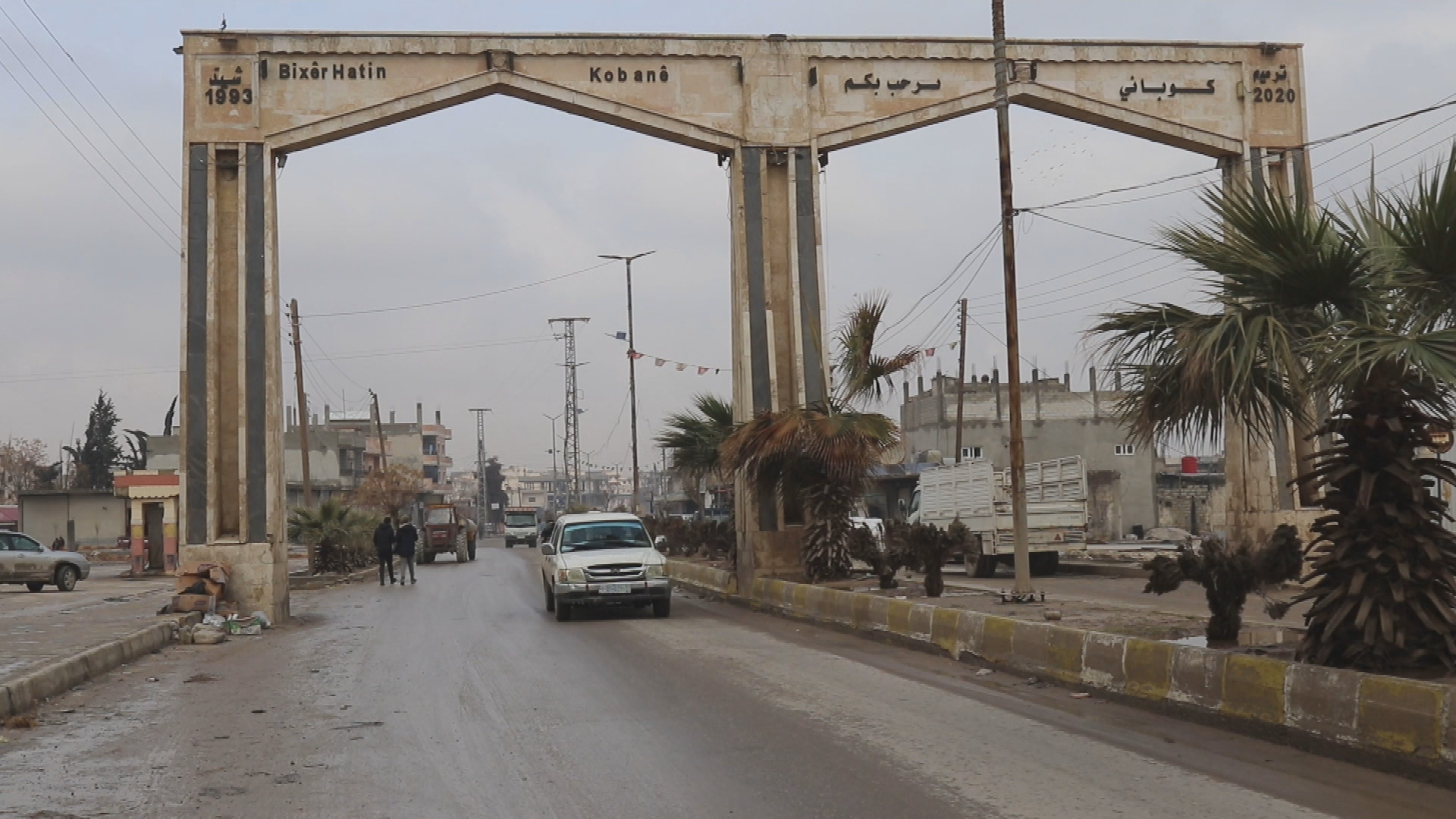
ERBIL (Kurdistan24) – The Kobani Local Administration said on Sunday that pledges by Aleppo provincial authorities to withdraw military forces and lift the siege on the city have not been implemented, warning that the situation on the ground remains unchanged.
In a statement, the administration said a delegation visited Aleppo on February 5 at the invitation of the deputy governor to discuss the regional situation and conditions in Kobani. During the meeting, the deputy governor pledged to withdraw forces from the city and end the siege, but the administration said no practical steps have followed those commitments.
The Kobani Local Administration also rejected attempts to alter the city’s official name, stressing that it will not accept changing Kobani to Ayn al-Arab, describing such moves as unacceptable.
Meanwhile, the Syrian Observatory for Human Rights (SOHR) told Kurdistan24 that the humanitarian situation in Kobani has significantly deteriorated, adding that the city is no longer able to absorb the large influx of internally displaced persons (IDPs).
Read More: Kobani Nearing Catastrophe: Watchdog Warns of Severe Water, Food, and Medical Shortages
Local sources and witnesses reported that thousands of IDPs are living in harsh conditions, facing severe shortages of food, clean drinking water, and medicine. The spread of diseases has increased, particularly among children, due to a lack of milk and essential medical supplies, according to the sources.
Kobani is famous for its historic resistance against ISIS. The Battle of Kobani began on Sept. 13, 2014, and ended with the city’s liberation on Jan. 26, 2015, after 134 days of intense fighting. The defense, led by the People’s Protection Units (YPG) and Women’s Protection Units (YPJ), was later reinforced by Kurdistan Region Peshmerga forces, whose deployment proved decisive.
The victory in Kobani marked the first major territorial defeat of ISIS after it declared its so-called “caliphate” in 2014 and laid the groundwork for further cooperation between Kurdish forces and the international coalition in subsequent battles against the extremist group.