IAEA: Iran Has the Right to a Peaceful Nuclear Program, Says Grossi
IAEA chief Rafael Grossi says Iran’s nuclear equation has changed due to damaged infrastructure but affirms Tehran’s right to a peaceful program, as Iraq warns that failure of U.S.–Iran talks could spark regional escalation.
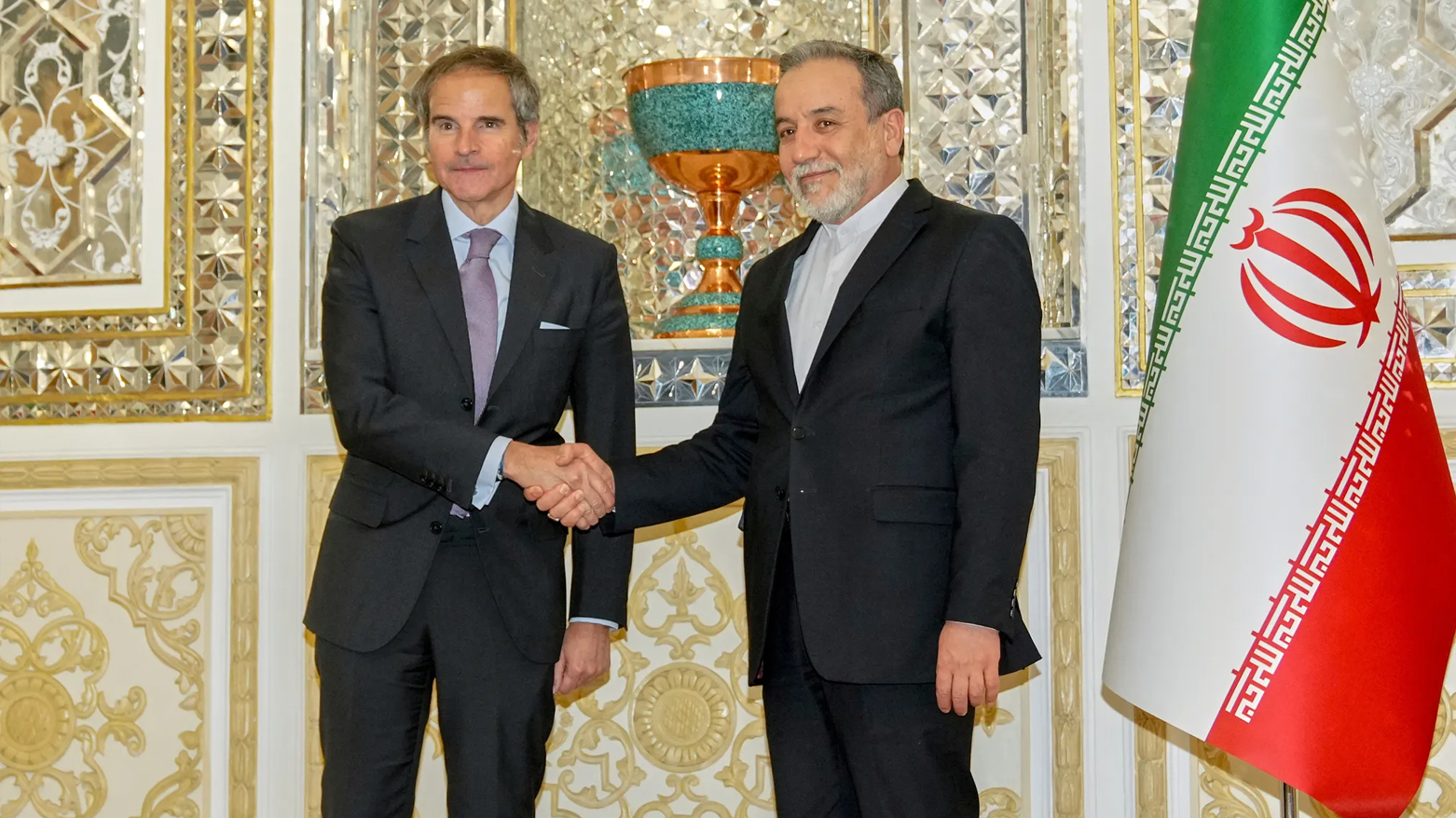
ERBIL (Kurdistan24) - The Director General of the International Atomic Energy Agency (IAEA) said Friday that Iran’s nuclear situation has fundamentally changed due to the destruction or severe damage of parts of its infrastructure, while reaffirming Tehran’s full right to develop nuclear capabilities for peaceful and civilian purposes.
Speaking on Friday, Rafael Grossi described a shift in Iran’s nuclear “equation,” noting that the transformation is not limited to technical capacity but is also tied to facilities that no longer exist or have sustained serious damage.
“The equation for Iran has changed. This change is not only in terms of capabilities, but is also linked to infrastructure that is no longer there or has been heavily damaged,” Grossi said in a media interview.
At the same time, he stressed that Tehran retains its sovereign right to pursue a nuclear program for civilian and peaceful purposes. “Iran has the full right to possess nuclear capabilities for peaceful and civilian objectives,” he added.
Grossi also clarified the current scope of international monitoring, stating that the agency continues to carry out inspections inside Iran. However, he said those inspections do not cover sites and facilities that were previously targeted or attacked.
The remarks come as the region remains on edge over the outcome of ongoing U.S.–Iran negotiations, which officials in Baghdad have warned could have far-reaching security implications.
Earlier on Friday, Iraqi Foreign Minister Fuad Hussein cautioned that the collapse of talks between Washington and Tehran could trigger a dangerous escalation across the Middle East. Speaking on the sidelines of the Munich Security Conference 2026, Hussein said all countries in the region are closely watching the negotiations, warning that their failure would increase the risk of heightened tensions and further military confrontation.
He described the current phase as highly sensitive and called for intensified diplomatic efforts, urging that the language of dialogue prevail to shield the region from deeper instability.