Iraq's Electricity Crisis Deepens: Massive Spending, Widespread Shortages, Zero Revenue
Eco Iraq says Iraq spends over 600 billion dinars monthly on electricity while supplying only 28,000 megawatts against a need of 50,000, warning the sector has become a dangerous economic burden.
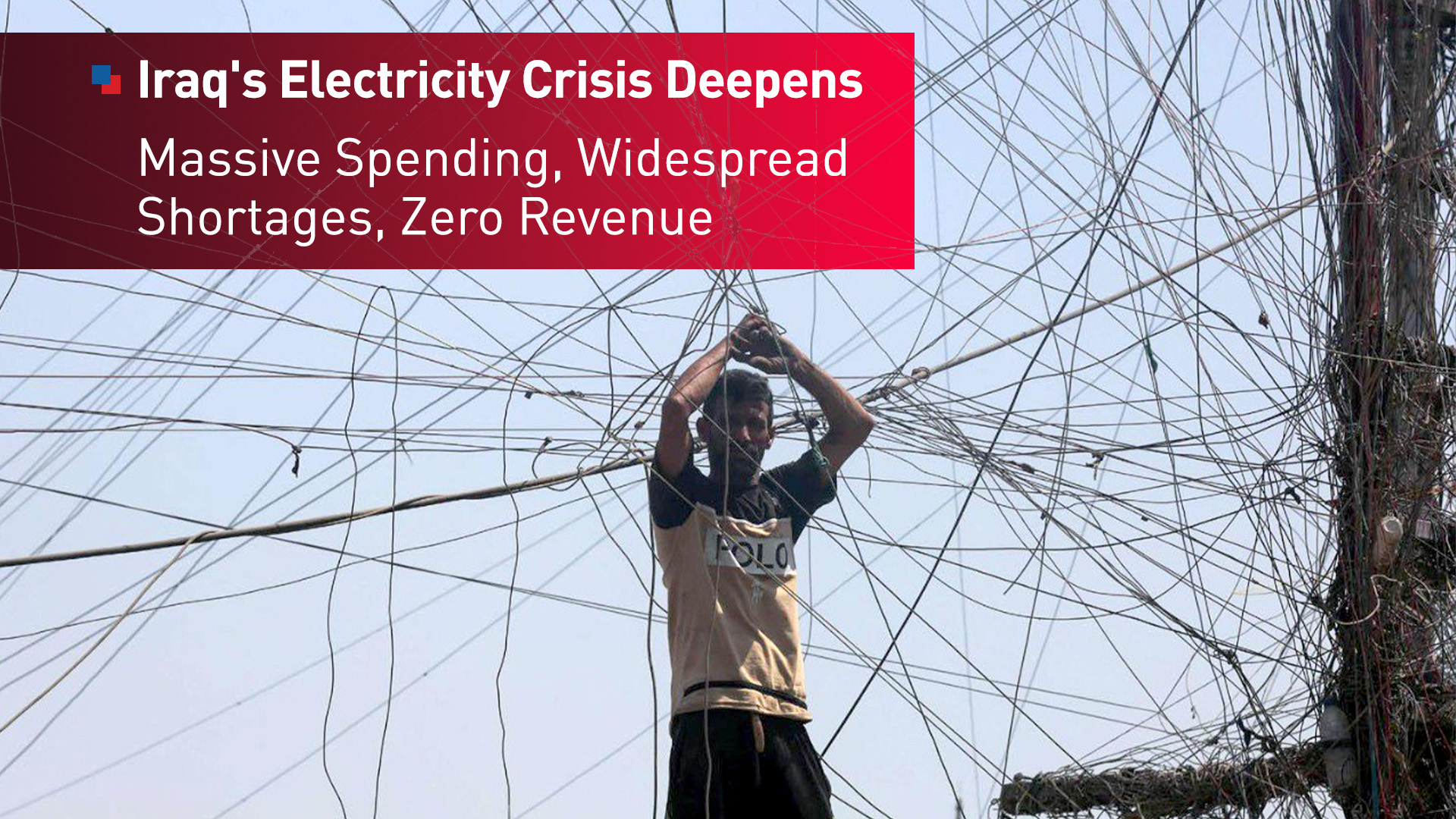
ERBIL (Kurdistan24) - Iraq is spending more than 600 billion Iraqi dinars each month on its electricity sector, while supply shortfalls exceed forty percent, according to a new report published by the Eco Iraq research platform.
The report states that the Iraqi government’s monthly electricity expenditure has surpassed 600 billion dinars. It clarified that these funds are spent on salaries for Ministry of Electricity employees, maintenance of power stations and equipment, and fuel purchases.
Despite this level of spending, the government has failed to provide sufficient electricity to citizens. Eco Iraq data shows that only twenty-eight thousand megawatts are supplied each month, while national demand stands at fifty thousand megawatts.
The platform sharply criticized the federal government, noting that the gap between output and demand reflects structural failure in management. It further revealed that the federal government has not succeeded in collecting electricity revenues, as only 0.17 percent—approximately one billion dinars per month—returns to the state treasury from total electricity income.
Eco Iraq stressed that the vast imbalance between spending and revenue is a dangerous indicator of the absence of financial planning, fiscal discipline, and an effective electricity billing system.
The platform added that the growing gap between electricity income and expenditure has contributed to rising budget deficits and increased pressure on the country’s public finances. It warned that continuing this management model means entrenching a long-term crisis whose cost will be borne directly by citizens, without receiving stable services in return.
Eco Iraq called on the federal government to take bold decisions and begin real, fundamental reforms in the electricity sector. It reiterated that the electricity issue is no longer merely a service crisis, but has transformed into a financial and economic challenge that directly threatens Iraq’s fiscal stability.
As public debate over electricity charges intensified, the General Directorate of Sulaimani Electricity released official data for the January billing cycle. The directorate analyzed 362,745 subscribers across east and west Sulaimani, including the city center, surrounding areas, Chwarta, Mawat, Qaradagh, and Arabat.
Based on billing data from Dec. 20, 2025, to Jan. 20, 2026, ninety-three percent of subscribers across residential, commercial, governmental, industrial, and agricultural categories paid between 1,000 and 100,000 Iraqi dinars.
The authority clarified that extremely high bills—ranging from over one million dinars to as much as one billion dinars—belong exclusively to large iron and cement factories, major industrial projects, and large commercial malls, and are not linked to household usage.
The directorate emphasized that claims of “imaginary” charges do not apply to residential users and that most household consumption remains within modest limits. It said the publication of full billing data aims to restore public trust.
With spending soaring, revenues collapsing, and supply far below demand, Iraq’s electricity sector now stands as a direct economic threat, not just a failing public service.