Iraq and Iran Exchange Remains of Soldiers from 1980s War
Baghdad and Tehran hold a ceremonial handover of missing war dead, highlighting long‑standing efforts to address humanitarian legacies of historic conflict.
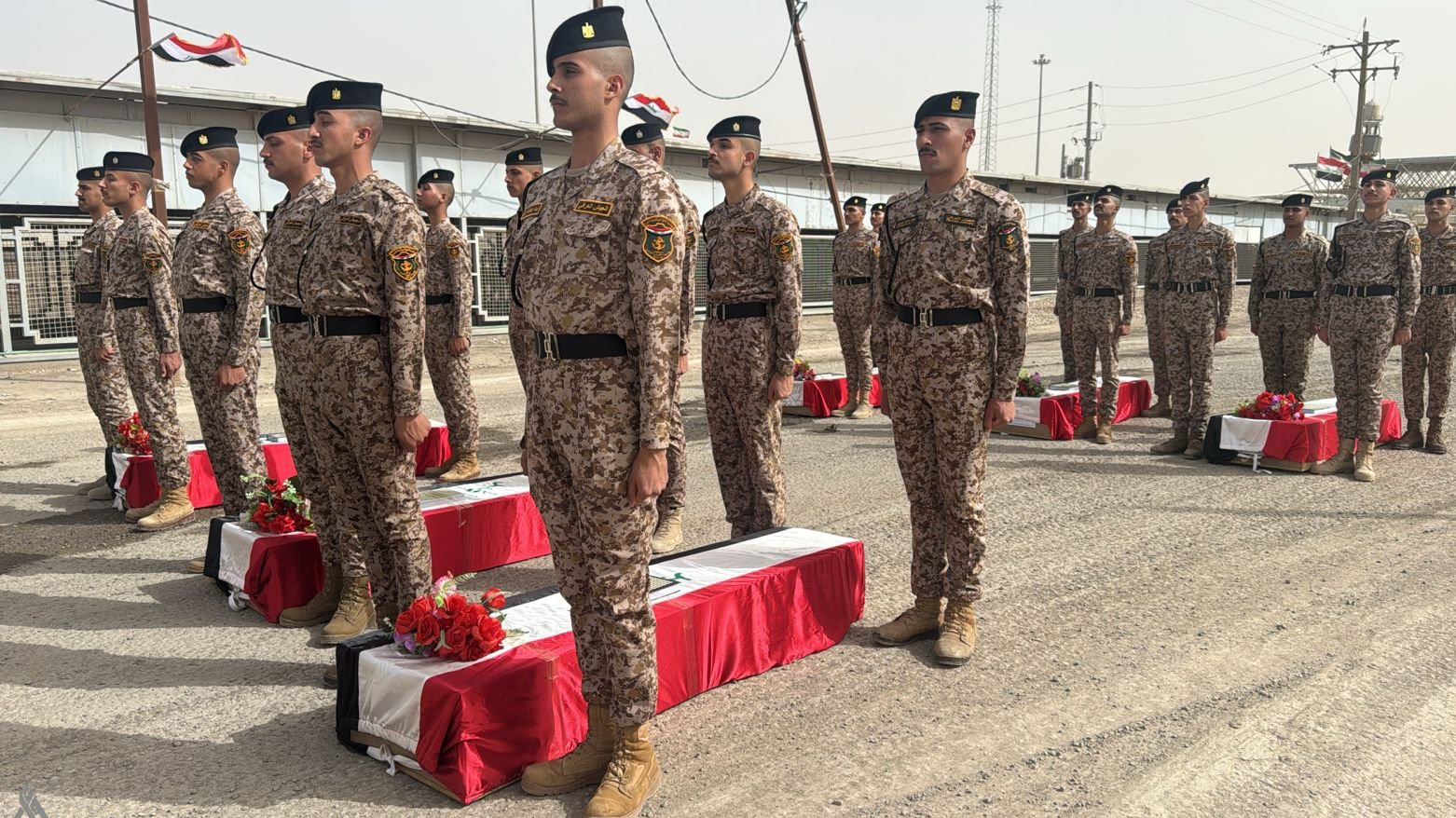
ERBIL (Kurdistan24) — Iraq and Iran on Sunday conducted a ceremonial exchange of remains of soldiers who went missing during the protracted 1980s war between the two neighbors, Iraqi officials announced. The exchange took place at the Shalamcheh border crossing, with Baghdad handing over 79 remains, including 41 unidentified bodies, to Tehran, and receiving six remains from the Islamic Republic, three of them identified, Iraqi official Nasihat al‑Mansouri told state media.
Mansouri noted that excavation and recovery operations continue along the border and on former battlefields to locate additional remains, part of a long‑running humanitarian process under bilateral agreements and the supervision of the International Committee of the Red Cross.
The remains being returned belong to soldiers who disappeared during the Iran–Iraq War (1980–1988), one of the deadliest conflicts in modern Middle Eastern history. The war began when the Iraqi dictator Saddam Hussein launched a full‑scale invasion of Iran in September 1980 amid longstanding border disputes and fears among Iraqi leaders following Iran’s 1979 Islamic Revolution.
The conflict, marked by trench warfare, use of chemical weapons, and massive casualties, dragged on for eight years with neither side achieving a decisive victory and ended in a United Nations‑brokered ceasefire in 1988.
Humanitarian efforts to recover and repatriate missing soldiers’ remains have continued intermittently for decades under the 2008 Geneva Agreement, with both nations periodically facilitating exchanges to bring closure to families on both sides.
Although the war ended more than three decades ago, its political and social legacy has profoundly shaped regional geopolitics. The brutal eight‑year struggle inflicted heavy losses on both Iran and Iraq, with estimates suggesting around one million lives were lost, and both economies were devastated.
In Iraq, the war weakened the Ba'athist regime and contributed to the country’s later troubles, including the 1990 invasion of Kuwait and subsequent Gulf War. The accumulation of foreign debts, internal discontent, and geopolitical isolation set the stage for the 2003 US‑led Freedom Operation that toppled Saddam Hussein’s dictatorship.
That military operation, intended to dismantle Iraq’s alleged mass-destruction weapons programs and remove a brutal authoritarian ruler, upended the region’s balance of power. It dismantled the Sunni‑dominated power structure in Baghdad and paved the way for Shiite political ascendancy in post‑Saddam Iraq, dramatically altering Baghdad’s internal politics and its regional alignments.
The rise of Shiite‑led governments in Iraq brought closer ties with Tehran, as successive Iraqi administrations cultivated strategic, religious, and economic links with Iran. Over time, Iran gained significant influence in Iraqi political decision‑making and security affairs, including through pro‑Iranian militias that have become powerful actors within Iraq’s security landscape.
These militias, some of which played prominent roles in the fight against the Islamic State (ISIS), now hold considerable sway over local security and politics, and their ties to Tehran are a significant factor in how Iraqi foreign and domestic policy is shaped.
The remains exchange ceremony, therefore, is not only a humanitarian gesture but also a reflection of the deep historical entanglement between Baghdad and Tehran — a relationship born of conflict, cemented by regional upheavals, and continually reshaped by the Middle East’s volatile geopolitics.