Trump Pressures Ukraine Ahead of Closed-Door Geneva Talks
US President Urges Kyiv to Move “Fast” While Fighting Intensifies and New Battlefield Shifts Emerge
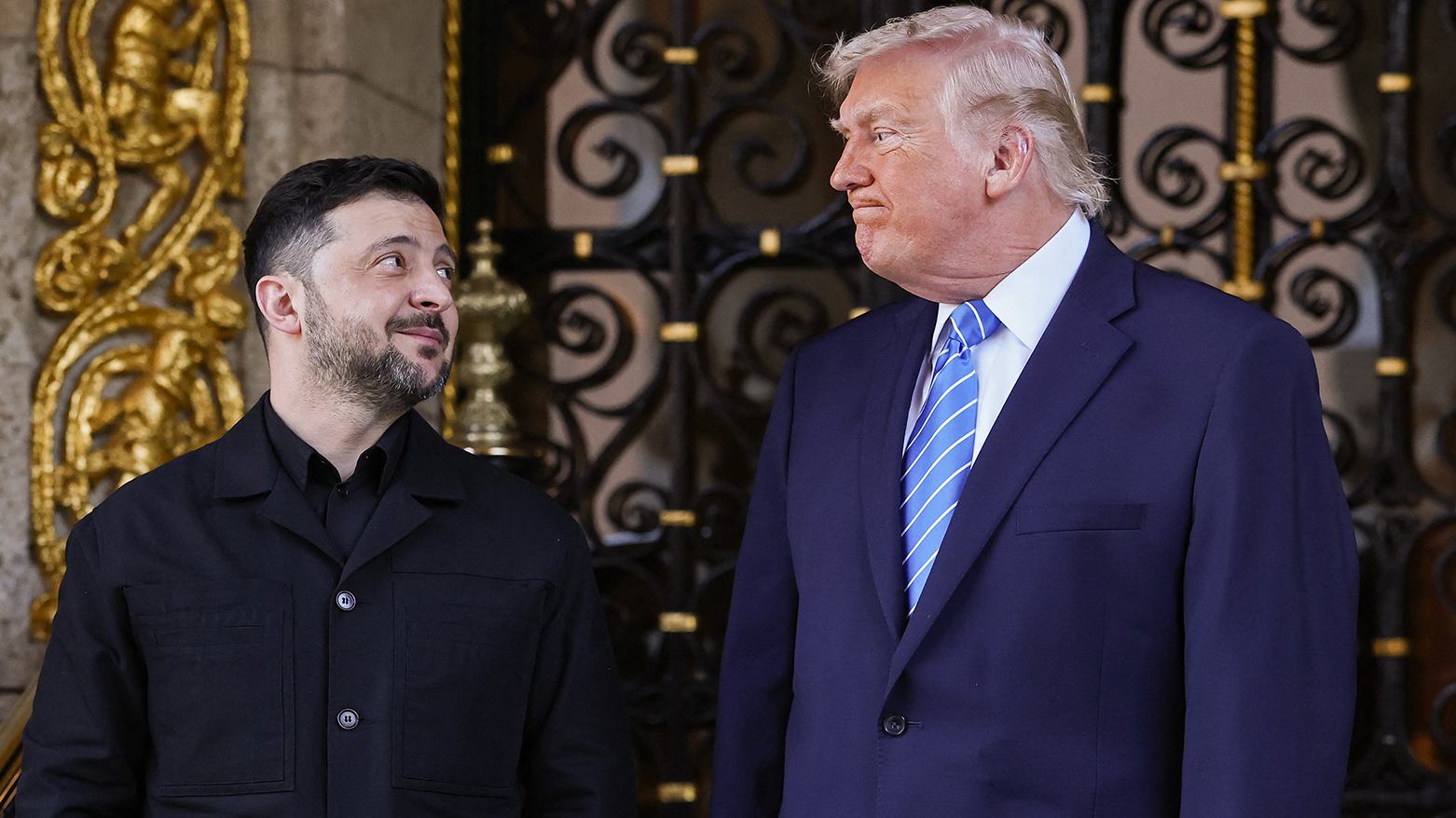
ERBIL (Kurdistan24) — U.S. President Donald Trump on Monday intensified pressure on Kyiv to reach a swift agreement with Moscow ahead of closed-door trilateral talks in Geneva, warning that Ukraine must “come to the table, fast.”
Speaking to reporters aboard Air Force One en route to Washington, Trump said: “Ukraine better come to the table, fast,” underscoring his administration’s renewed push to broker an end to the war that began with Russia’s full-scale invasion in February 2022.
The negotiations — involving delegations from the United States, Russia, and Ukraine — come just days before the fourth anniversary of the invasion. The Kremlin confirmed the talks would be held behind closed doors with no media access, reflecting the sensitivity and high stakes of the discussions.
Trump’s special envoy Steve Witkoff and his son-in-law Jared Kushner are representing Washington. Moscow’s delegation is led by former Russian culture minister Vladimir Medinsky, a nationalist figure previously involved in negotiations.
Ukraine’s team is headed by former defense minister Rustem Umerov. President Volodymyr Zelenskyy said his delegation had arrived in Geneva on Monday, while a source within the Russian delegation confirmed their team landed early Tuesday.
Despite the diplomatic engagement, expectations for a breakthrough remain limited. Two earlier rounds of US-mediated talks held this year in Abu Dhabi failed to produce significant progress.
A Kremlin spokesperson said Moscow intends to discuss “a broader set of issues,” focusing on territorial questions and other key demands — signaling that Russia is unlikely to soften its position.
Even as talks convene, fighting has continued. Ukrainian authorities reported that Russia launched 29 missiles and 396 drones overnight ahead of the Geneva meeting. Russia, in turn, claimed it repelled more than 150 Ukrainian drones.
In the southern port city of Odesa, Ukrainian officials reported damage to residential buildings and at least two people wounded following a drone strike.
Zelensky sharply criticized Moscow’s actions on the eve of negotiations.
“Even on the eve of the trilateral meetings in Geneva, the Russian army has no orders other than to continue striking Ukraine,” he wrote on social media. “Only with sufficient pressure on Russia and clear security guarantees for Ukraine can this war realistically be brought to an end.”
Kyiv maintains that Moscow remains unwilling to compromise on sweeping territorial and political demands, which Ukraine has rejected as tantamount to surrender.
The war — Europe’s deadliest conflict since World War II — has killed hundreds of thousands, displaced millions, and devastated vast swathes of eastern and southern Ukraine.
Russia currently occupies roughly one-fifth of Ukrainian territory, including Crimea, which it annexed in 2014, as well as areas seized during and after the 2022 invasion. Moscow has demanded that Ukrainian forces withdraw from additional strategic territories as part of any settlement.
Ukraine has rejected those terms, insisting on robust Western security guarantees before agreeing to any deal.
In recent developments, Ukrainian forces recaptured approximately 201 square kilometers last week, according to an analysis by the Institute for the Study of War. The gains were concentrated about 80 kilometers east of Zaporizhzhia, an area where Russian troops had previously made advances.
The think tank suggested Ukrainian counterattacks may have benefited from disruptions in Russian communications linked to limited access to Starlink satellite systems.
The Zaporizhzhia region also hosts Europe’s largest nuclear power plant, currently under Russian control — a major sticking point in negotiations due to the facility’s strategic and safety implications.
Throughout his second presidency, Trump has alternated between criticizing Moscow and Kyiv. Over the weekend, he appeared to shift blame toward Ukraine, suggesting Zelensky was delaying efforts to end the war.
Trump has consistently portrayed himself as a potential peacemaker capable of resolving the conflict, arguing that prolonging the war imposes unsustainable economic and strategic costs.
Whether the Geneva talks can break the diplomatic impasse remains uncertain. With entrenched territorial disputes, unresolved security guarantees, and active combat operations continuing even as negotiators meet, the prospects for a swift settlement appear slim — despite mounting international pressure to end the nearly four-year war.