Iraqi Government Assures Civil Servants of Timely Salaries Amid Broader Fiscal Measures
Contract Terminations, Customs Hikes, and Protests Highlight Challenges Facing Sudani’s Administration
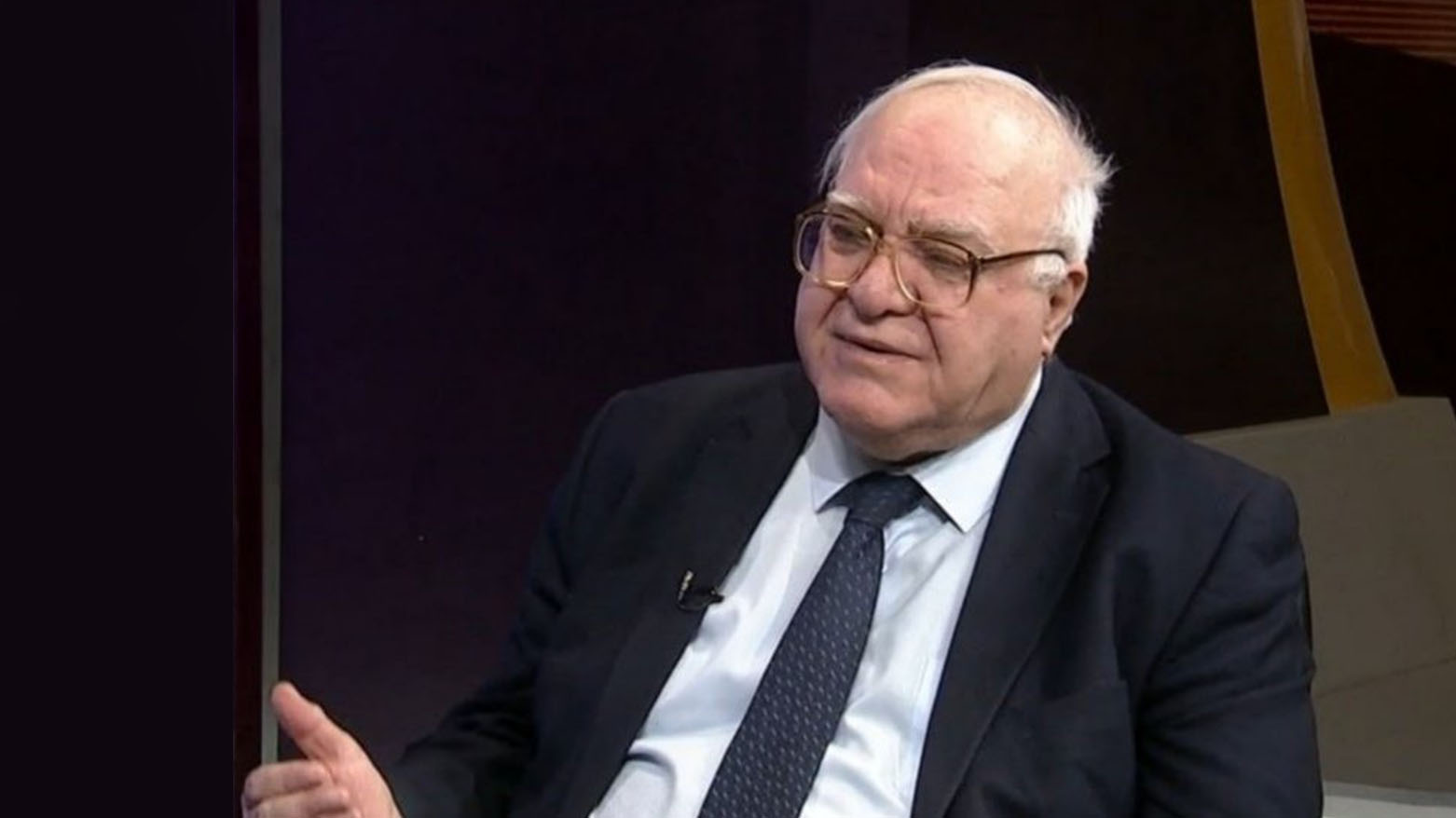
ERBIL (Kurdistan24) — The Iraqi government on Monday reassured public civil servants that their salaries will be disbursed on time, emphasizing that recent administrative delays are temporary and procedural. The assurance comes as Baghdad intensifies efforts to manage state finances and reduce public expenditures.
Mazhar Mohammed Salih, economic advisor to the Iraqi Prime Minister, told Kurdistan24 on Monday that there is no risk to civil servants' salaries, noting that delays reported in some cases—ranging from 30 to 45 days—are not true, adding that the government has no such intention.
Salih explained that federal authorities have introduced measures to ensure salaries are distributed on schedule, including optimizing financial flows through the Ministry of Finance. According to government statistics, timely monthly salary disbursements require more than 7.5 trillion dinars out of an eight-trillion-dinar budget allocation, reflecting the fiscal pressures faced by Baghdad.
Broader Fiscal and Administrative Reforms
The assurance to public civil servants comes as part of a wider package of measures by Prime Minister Mohammed Shia al-Sudani aimed at improving fiscal management and operational efficiency. In recent days, Sudani ordered the termination of more than 100 contracts for advisers and experts within the Prime Minister’s Office, a step allegedly intended to streamline administrative structures and reduce public spending.
Many of the advisers had overseen federal programs that are reportedly 88 percent complete, signaling that key initiatives are approaching finalization.
These measures are accompanied by other fiscal policies, including higher customs tariffs on imported goods—particularly from China—resulting in altered trade flows toward Turkey.
Iraqi and Kurdish traders have increasingly sourced products from Turkish markets like Istanbul’s Mertera textile district, citing faster shipping and cost advantages.
Thousands of containers remain held at Umm Qasr port due to the higher valuations, causing financial losses and disruptions to the supply chain.
Public Discontent and Protests
The government’s fiscal adjustments have also sparked public protests. Truck drivers in southern Kirkuk halted traffic at the Maktab Khalid checkpoint to denounce illegal and excessive fees, which they claim are collected under the guise of taxes and weighbridge charges.
Drivers describe the system as arbitrary, noting that payments sometimes allow vehicles to bypass inspection while others are delayed.
During the past few weeks, federal employees, teachers, and traders across Mosul, Basra, Baghdad, and Kirkuk have similarly staged demonstrations against delayed entitlements, salary reductions, and increased taxes.
Many protesters argue that the government should focus on tackling corruption and improving financial management rather than placing additional burdens on citizens and small businesses.
Farmers from Kirkuk staged fresh protests on Tuesday, accusing Iraq’s federal government of withholding wheat payments for more than eight months. Dozens of Kurdish, Sunni Arab, and Turkmen farmers gathered outside the Kirkuk silo facility, demanding immediate payment for wheat they delivered to the federal authorities during the 2025 harvest season.
Speaking from within the crowd of protesters, Sataa Nasih, a representative of farmers from the Topzawa area in Kirkuk province, told Kurdistan24 that more than 50 percent of the province’s farmers have yet to receive their financial entitlements.
“Farmers are in a very difficult financial situation and are no longer able to provide for their families because they have not received their dues,” he said, warning that the group would soon issue a formal statement giving Baghdad a final deadline before escalating their protest measures.
The farmers say they fulfilled their contractual obligations by delivering wheat to Iraq’s Ministry of Trade. However, they claim the delay stems from the Ministry of Finance’s failure to transfer the allocated funds.
“We handed over our wheat to the Iraqi Ministry of Trade, but as we understand it, the Ministry of Finance has not transferred the money to the Ministry of Trade’s account,” the representative explained.
Taken together, these developments illustrate the balancing act facing Sudani’s administration: ensuring timely payment of civil servant salaries and benefits, while pursuing fiscal consolidation, streamlining government operations, and navigating growing public dissatisfaction with economic policies.