Kurdish Institutions in Europe Issue Joint Statement for Mother Language Day, Urge Education in Kurdish
Kurdish institutions in Switzerland, Brussels, and Stockholm issued a joint statement on Feb. 20, 2026, marking International Mother Language Day, stressing that education in the mother tongue is fundamental to preserving Kurdish identity and language.
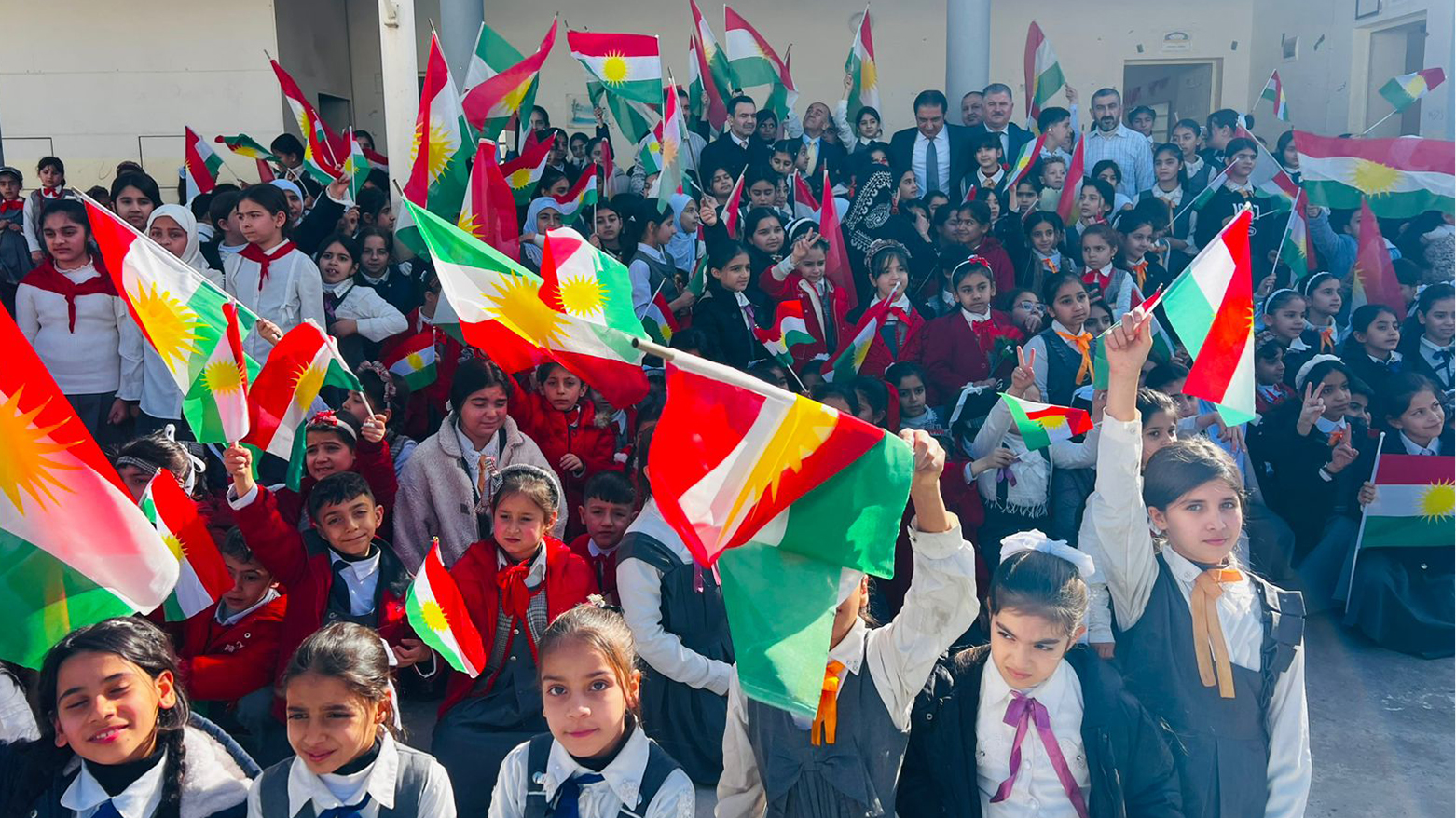
ERBIL (Kurdistan24) - On the eve of International Mother Language Day, three Kurdish institutions in Europe issued a joint declaration affirming that education in one’s mother tongue is a fundamental and essential condition for preserving national identity and dignity.
On Friday, Kurdish institutions based in Switzerland, Brussels, and Stockholm released a joint statement marking International Mother Language Day, observed annually on Feb. 21.
In their statement, the institutions noted that UNESCO declared Feb. 21 as International Mother Language Day in 1999. The date was designated in tribute to university students who lost their lives during the Bengali language movement in Bangladesh. The statement further emphasized that the day is commemorated annually in UNESCO member states, highlighting the protection of multilingualism.
Marking the occasion designated by UNESCO, the institutions stated that they commemorate the mother tongue of the Kurdish people, describing language as the most important tool of communication in life. They stressed that every nation preserves its dignity and existence through its language, and that the loss of a nation’s language leads to the loss of its values, history, culture, art, and identity.
The statement underlined that International Mother Language Day serves as a reminder that safeguarding language is a shared responsibility and a duty to pass this sacred value on to future generations.
According to the declaration, there are approximately six to seven thousand languages in the world, of which between 2,500 and 3,000 are at risk of extinction.
The statement described the Kurdish people as possessors of an ancient language, noting that for thousands of years Kurds have cultivated their language on their own land. Kurdish, it said, is one of the oldest, most authentic, and deeply rooted languages in the world.
Kurdish consists of four main dialects: Kurmanji, Sorani, Zazaki, and Hawrami, each of which the statement described as an independent language in its own right. Kurdish philosophers, scholars, intellectuals, and thinkers have written hundreds of manuscripts and literary and historical works in the language.
However, the statement noted that following the division of Kurdistan among four states, the Kurdish language has faced policies of denial, marginalization, and assimilation.
The institutions placed particular focus on assimilation policies in Kurdistan of Turkey, stating that the use of the Kurdish language has declined in many areas and that the language has faced the risk of assimilation and structural disruption.
Reaffirming their position, the institutions stressed that preserving language means preserving national existence, and reiterated that education in the mother tongue is a fundamental issue. The statement concluded:
“For the protection and development of language, education in that language is a fundamental condition. A nation that is educated in its mother tongue preserves its language, values, and dignity, because language is the repository of history, values, and the dignity of a nation.”