Iraq Reimposes Vehicle Tariffs, Sparks Price Hikes Across Markets
The enforcement of customs tariffs has led to immediate price adjustments in the automotive sector, broader market uncertainty, and calls from merchants for consumer support to facilitate a transition toward hybrid and electric vehicles.
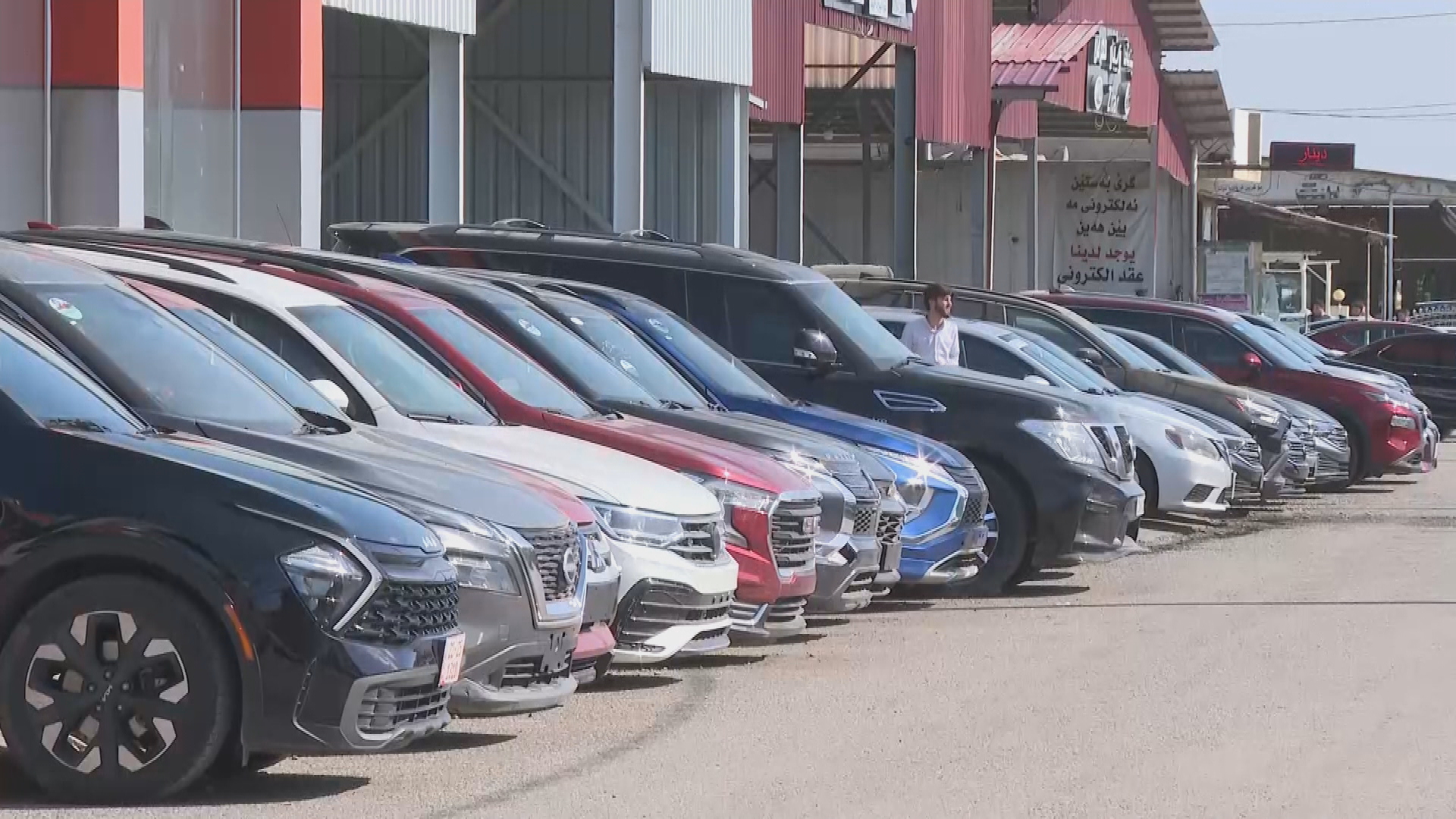
ERBIL (Kurdistan24) - The Iraqi government implemented new customs tariffs on imported vehicles and goods, prompting immediate price increases and market disruption across the country, officials said. The Cabinet, led by Prime Minister Mohammed Shia al-Sudani, confirmed the enforcement of a 15% customs tax on 2025 and newer car models, a measure intended to encourage a shift toward hybrid and electric vehicles.
Merchants and automotive experts reported that the tariff has directly affected consumer costs.
A vehicle previously priced at $10,000 now sells for $11,500 following the tax increase, illustrating the immediate financial impact on citizens. Traders have urged the government to provide support to buyers if the policy’s goal is to promote eco-friendly vehicles rather than solely increasing revenue.
The customs measure forms part of a broader plan in which taxes ranging from 15% to 135% are scheduled for all other imported goods.
According to officials, the tariffs were previously suspended due to public and commercial pressure, but their pending reinstatement has contributed to a slowdown in Iraqi markets, with retailers reporting decreased activity and stalled sales.
In the latest cabinet meeting, Sudani directed the General Authority for Border Crossings to enforce the customs tariff procedures, officials said. He also emphasized strengthening the "ASYCUDA" system, a digital platform for managing customs operations, and promoting domestic production as part of the broader economic strategy.
The automotive sector has been among the most visibly affected areas.
Dealers cited the rapid adjustment in pricing and the resulting uncertainty as challenges for both traders and consumers. Analysts noted that the tariff’s introduction without complementary subsidies or incentives for hybrid and electric vehicle purchases has intensified concerns about affordability for ordinary buyers.
Industry representatives also expressed concern that the tariff increases could slow overall vehicle sales.
While the stated policy objective aims to reduce reliance on gasoline-powered cars, merchants highlighted the absence of mechanisms to offset the immediate financial burden on consumers, such as financing programs or tax rebates for electric vehicle adoption.
Beyond vehicles, broader commercial activity has been impacted. Retailers reported apprehension about the reimposition of taxes on various imported goods, which had been suspended temporarily.
The anticipation of higher tariffs has contributed to a hesitant market environment with reduced turnover and delayed purchasing decisions among both businesses and consumers.
Officials emphasized that the customs changes are part of the government’s long-term strategy to digitize border operations and improve trade regulation efficiency.
The expansion of the ASYCUDA system is intended to streamline customs procedures, reduce processing times, and enhance transparency at border gates. Cabinet members also highlighted efforts to encourage local production as a complementary measure to the import tariffs.
The Iraqi Council of Ministers maintains that the customs measures are necessary to align the country’s trade policies with broader economic goals. In public statements, Sudani reiterated the importance of enforcing tariff regulations while also implementing digital systems to facilitate trade administration. These steps are aimed at ensuring consistent enforcement of customs procedures and supporting domestic economic activity.
Merchants and citizens have expressed dissatisfaction with the immediate price effects of the tariffs. While the government frames the policy as part of a transition toward cleaner transportation options and strengthened domestic industry, traders emphasize that the absence of direct financial support for consumers has created pressure on household budgets.
Observers within the automotive and retail sectors have underscored the dual impact of the policy: rising prices for imported vehicles and uncertainty in broader markets due to potential tax increases on other imported goods. Analysts said that these factors are contributing to a subdued market atmosphere, with both retailers and consumers adopting cautious purchasing behavior.
The government’s decision follows a period in which tariff implementation had been delayed in response to public protests and commercial lobbying. The reinstatement of these measures signals a commitment by the Council of Ministers to enforce previously announced customs regulations despite opposition from traders and citizens.
Prime Minister Sudani’s directives at the cabinet meeting underscore the administration’s focus on regulatory enforcement, digitalization of customs processes, and support for local manufacturing. Officials noted that these steps are intended to stabilize revenue streams, improve border management, and encourage the domestic economy to reduce dependency on imports.
Kurdistan24 correspondent Shvan Jabbari contributed to this report.