Trump Raises U.S. Global Tariff to 15% Following Supreme Court Ruling
President Signals Further “Legally Permissible” Tariffs, Doubling the Rate from an Initial 10 Percent Set Just a Day Earlier
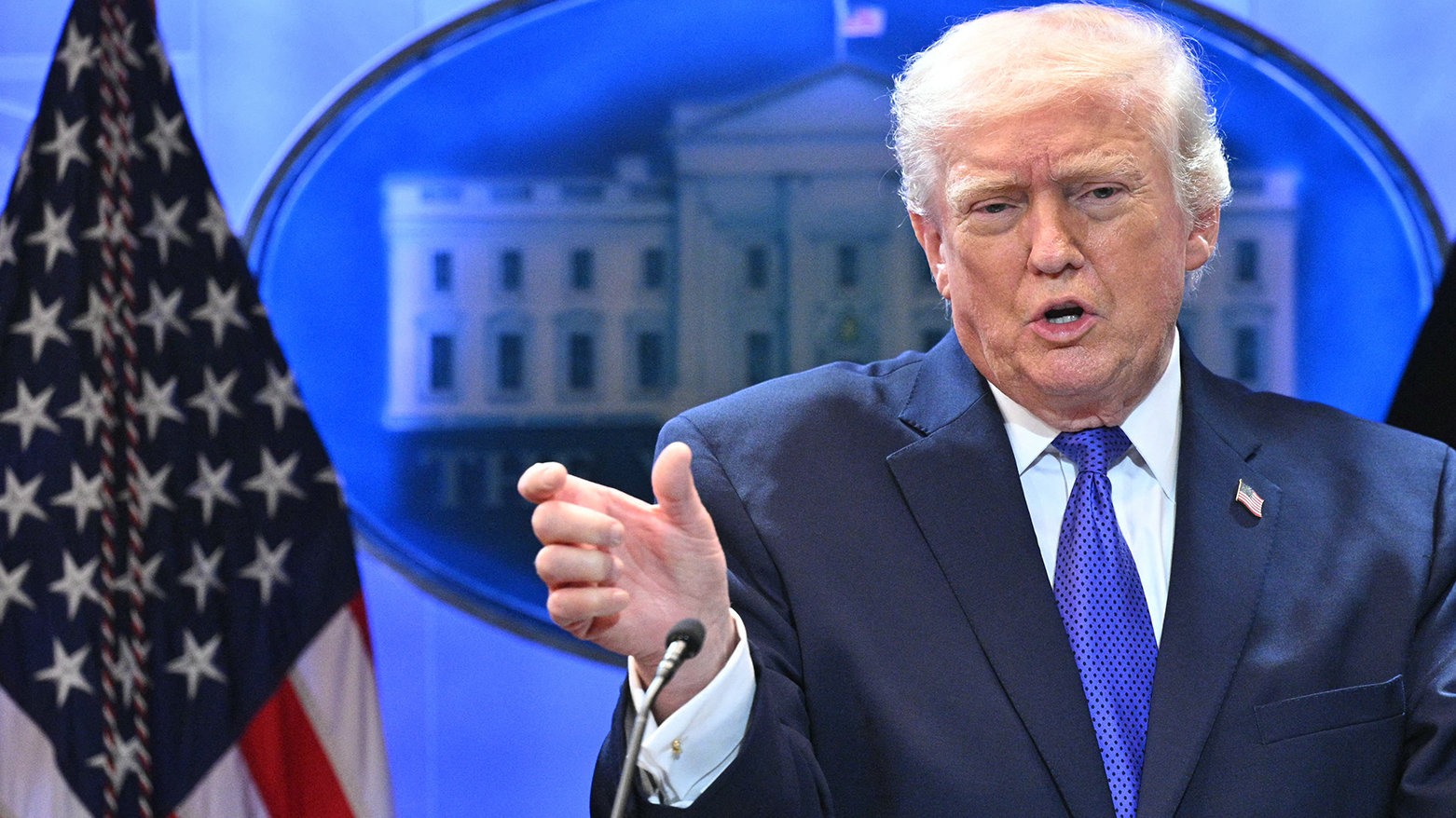
ERBIL (Kurdistan24) — U.S. President Donald Trump on Saturday announced an increase in the global tariff on imports into the United States to 15 percent, doubling the rate from an initial 10 percent set just a day earlier. The move comes after the U.S. Supreme Court ruled that much of Trump’s tariff program exceeded his legal authority.
In a statement on his Truth Social platform, Trump described Friday’s court decision as “extraordinarily anti-American” and said the administration was raising import duties “to the fully allowed, and legally tested, 15% level.”
He added that over the coming months, the administration would explore additional “legally permissible” ways to impose tariffs.
Saturday’s announcement marks the latest in a series of tariff adjustments that have affected countries exporting goods to the United States over the past year. Trump’s team has repeatedly set, altered, and revoked multiple tariff rates as part of the administration’s aggressive trade strategy, targeting both allies and adversaries.
The Supreme Court, in a 6–3 decision, ruled that a 1977 law Trump had relied upon “does not authorize the President to impose tariffs,” delivering one of the strongest judicial rebukes to his signature international trade policies.
Trump, who had nominated two of the justices in the majority, criticized the court and alleged, without evidence, that foreign interests influenced the ruling.
“I'm ashamed of certain members of the court, absolutely ashamed, for not having the courage to do what's right for our country,” he said.
Under U.S. law, the new 15 percent global tariff is temporary, valid for 150 days. A White House fact sheet confirmed that exemptions remain for sectors under separate investigations, including pharmaceuticals, as well as goods entering under the U.S.–Mexico–Canada Agreement.
Trading partners that previously reached separate tariff deals with the U.S. will also be subject to the new duty.
The escalation reflects Trump’s ongoing use of tariffs as both a bargaining tool and a form of economic pressure, continuing a strategy that has reshaped global trade flows, prompted retaliatory measures from other countries, and fueled concerns among economists about long-term market uncertainty.