Islamic State Urges Fighters to Target Syria’s New Government
First Audio Message in Two Years Signals Resurgence Threat Amid Regional Security Concerns
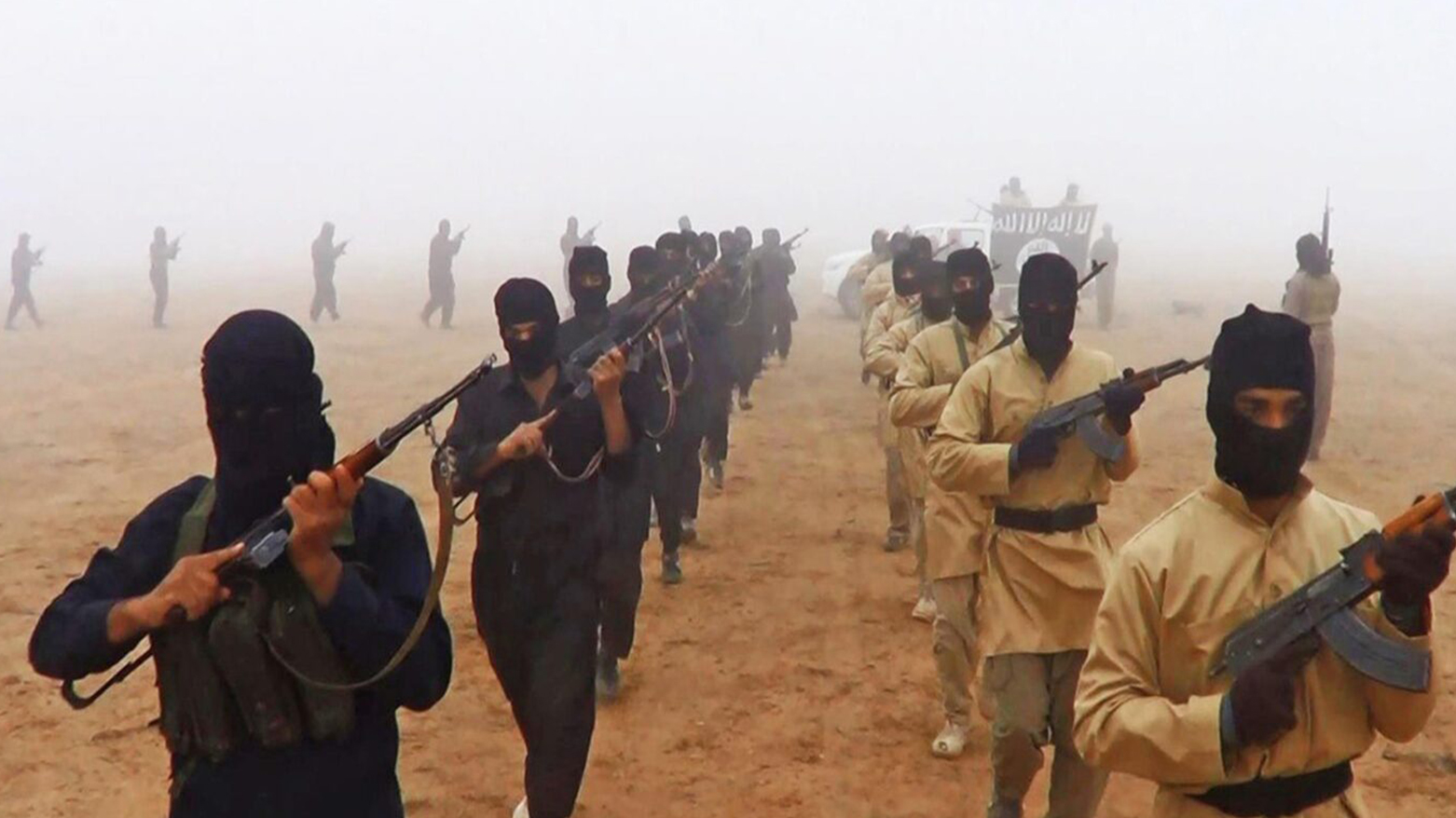
ERBIL (Kurdistan24) — The Islamic State (ISIS) group has called on its members in Syria to confront the country’s new authorities, according to a Saturday report by AFP. The message, the first audio statement by ISIS spokesperson Abu Huzaifa al-Ansari in two years, marks a renewed attempt by the extremist group to reassert its presence in the war-torn country.
In the recording posted online, al-Ansari urged ISIS fighters to target “the new Syrian regime, with its secular government and national army” and to “make that their priority.” His previous message, issued in January 2024, had called for attacks against Jews worldwide in retaliation for Israeli operations in Gaza.
The message comes amid a dramatic shift in Syria’s political landscape. After ousting longtime president Bashar al-Assad in December 2024, the new authorities—many of whom had prior links to Al-Qaeda-affiliated groups—have sought to distance themselves from Syria’s radical past and project a more moderate image.
Last year, Syria joined the US-led coalition against ISIS, coordinating attacks against the group’s remnants across the country. Nevertheless, security concerns remain high, particularly regarding thousands of ISIS prisoners held in Kurdish-run detention facilities.
Following recent advances by Syrian troops against Kurdish forces, questions have emerged over the future of these detainees. In response, Washington transferred more than 5,700 IS detainees from Syria to Iraqi prisons to prevent potential escapes or resurgences.
The Islamic State first rose to prominence in 2014, sweeping across Syria and Iraq with brutal violence, including massacres and systematic sexual enslavement of women and girls. Its territorial defeat came in stages: Iraq, backed by US-led forces, declared victory over ISIS in 2017, while Kurdish-led forces eliminated ISIS strongholds in Syria by 2019.
Despite these defeats, ISIS has remained a shadow threat, particularly in areas with security vacuums or ongoing political instability. Camps that once held families of ISIS fighters have been emptied recently, with residents either relocated by Syrian authorities or leaving voluntarily, raising concerns about potential regrouping or recruitment.
Analysts warn that al-Ansari’s call to arms may embolden sleeper cells and could destabilize regions where governance remains fragile. The message underscores that, nearly a decade after its peak, ISIS continues to adapt its tactics and messaging, exploiting local conflicts and political uncertainty to maintain influence.
With Syria navigating post-Assad transitions and ongoing Kurdish-Syrian tensions, the ISIS resurgence highlights persistent security challenges that have regional and international implications.