Hungary Threatens to Block EU’s 20th Sanctions Package Over Ukraine Oil Dispute
Budapest Demands Reopening of Key Pipeline Supplying Russian Oil Before Backing New Measures
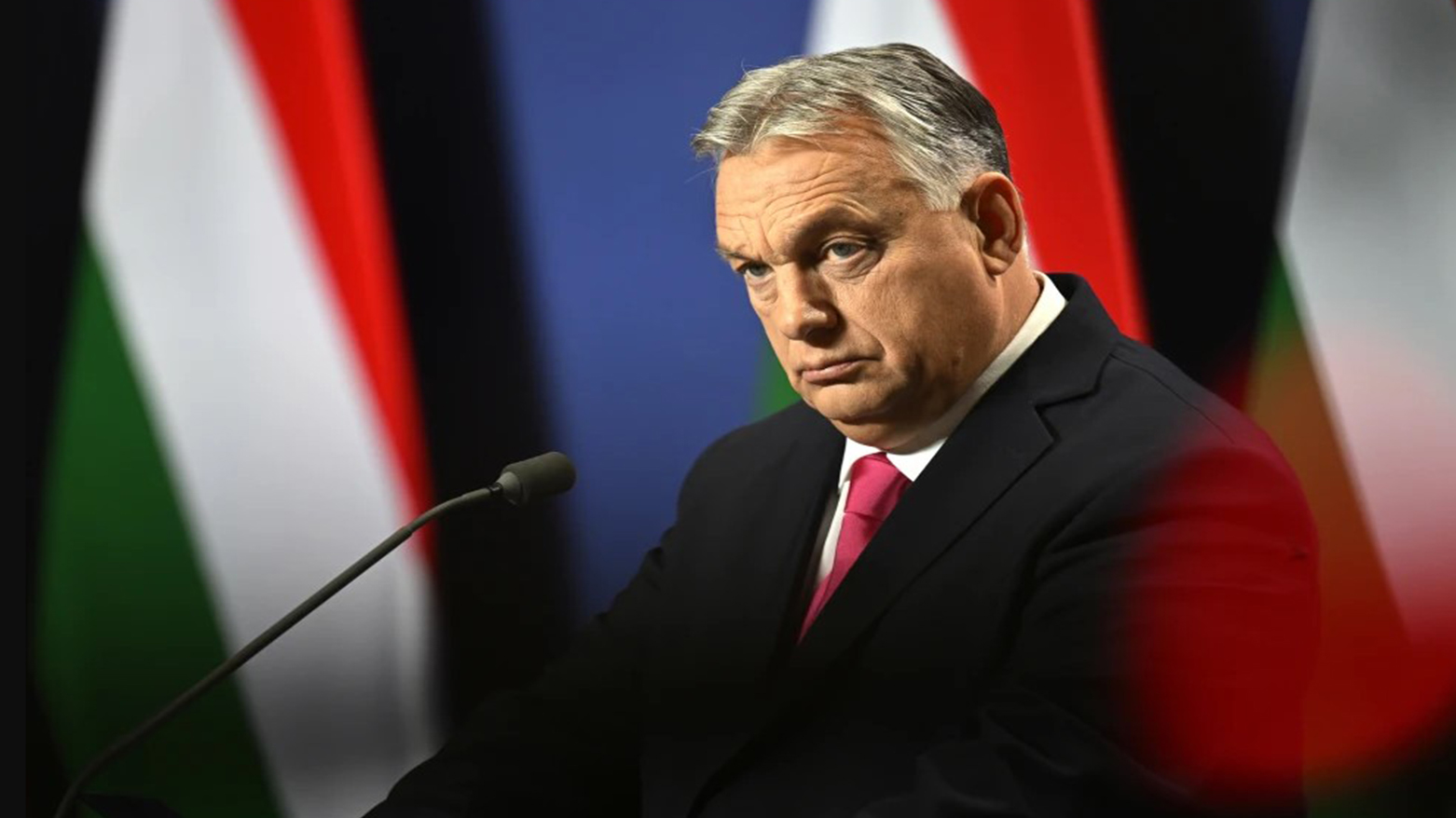
ERBIL (Kurdistan24) — Hungary will block the European Union’s latest sanctions package against Russia unless Ukraine resumes oil transit through a key pipeline supplying Hungarian refineries, Prime Minister Viktor Orbán and Foreign Minister Péter Szijjártó said Sunday.
“No support for sanctions; the 20th sanctions package will be rejected,” Orbán wrote on X, signaling Budapest’s firm opposition to further punitive measures against Moscow under current conditions.
❗️ We will not stand idly by while the Friendship oil pipeline is shut down. We will secure Hungary’s fuel supply and take necessary countermeasures until shipments resume.
— Orbán Viktor (@PM_ViktorOrban) February 22, 2026
Countermeasures:
❌ No diesel shipments from Hungary to Ukraine.
❌ Refusal of any military loan to… pic.twitter.com/piFC51eWZW
Szijjártó echoed the stance in a Facebook post, stating: “As long as the Ukrainians do not resume deliveries of oil to Hungary, we will not approve important decisions for them.”
The dispute centers on the flow of Russian crude via the southern branch of the Druzhba pipeline, which transits Ukraine before reaching Hungary. The pipeline remains one of the few routes through which Russian oil continues to enter the European Union despite sweeping sanctions imposed since Moscow’s 2022 invasion of Ukraine.
Since Russia launched its full-scale invasion of Ukraine in February 2022, the European Union has adopted multiple rounds of sanctions targeting Russian banks, energy exports, individuals, and strategic sectors. Each package requires unanimous approval from all 27 member states, giving individual countries veto power.
Hungary, led by Prime Minister Viktor Orban, has repeatedly criticized the sanctions regime, arguing that it harms European economies more than Russia. Budapest has secured exemptions in previous sanctions rounds, particularly regarding Russian oil imports delivered via pipeline.
Hungary remains heavily dependent on Russian energy supplies, with its main refinery infrastructure configured to process Russian crude. Officials in Budapest argue that alternative supply routes would require costly technical adjustments and risk energy shortages.
Foreign Minister Peter Szijjarto has framed the current standoff as a matter of national energy security, linking Hungary’s support for EU measures directly to the restoration of oil transit through Ukraine.
The threatened veto underscores persistent divisions within the EU over how to balance pressure on Moscow with domestic economic considerations. While most member states have sought to gradually phase out Russian energy dependence, some Central European countries, including Hungary and Slovakia, remain structurally tied to pipeline supplies.
The latest confrontation also reflects tensions between Kyiv and Budapest. Relations have been strained in recent years over minority rights issues and energy transit disputes, complicating EU consensus-building at a time when Brussels is working to maintain unity in support of Ukraine.
If Hungary follows through on its threat, negotiations over the EU’s 20th sanctions package could face delays, highlighting once again the bloc’s internal challenges in sustaining a coordinated response to Russia’s war in Ukraine.