Rubio Meets Caribbean Leaders as US Pressures Cuba Amid Regional Concerns
CARICOM Summit Highlights Fears of Instability, Migration, and Wider Impact on the Caribbean
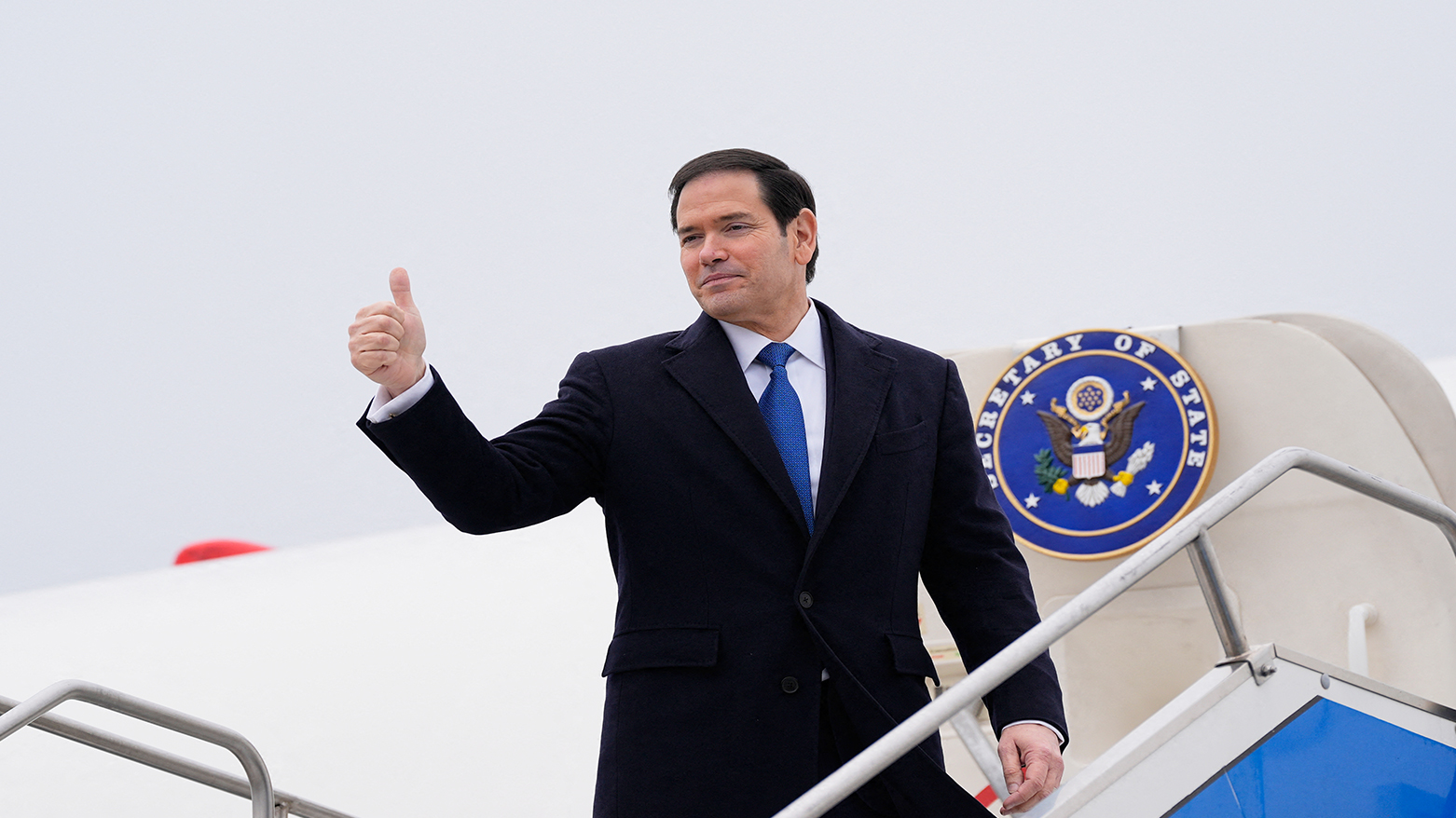
ERBIL (Kurdistan24) — Marco Rubio met Caribbean leaders on Wednesday at the summit of the Caribbean Community (CARICOM) in Saint Kitts and Nevis, as Washington intensifies pressure on Cuba following recent developments in Venezuela.
Rubio, a Cuban-American who has long advocated for democratic change in Havana, attended the summit after participating in President Donald Trump’s State of the Union address. He arrived overnight in Saint Kitts and Nevis, becoming the highest-ranking US official ever to visit the small island nation.
The US administration has sharpened its focus on the Western Hemisphere under what Trump has termed the “Donroe Doctrine,” pledging assertive action to advance American interests.
Earlier this year, US forces conducted a January 3 operation that removed Venezuelan President Nicolas Maduro from power. Following the move, Venezuela halted crucial oil shipments to Cuba, deepening the island’s economic crisis.
Cuba is now facing worsening fuel shortages and rolling blackouts, compounding long-standing economic difficulties. The situation has alarmed Caribbean leaders who fear regional spillover effects, particularly increased migration.
Speaking at the summit’s opening session, Jamaican Prime Minister Andrew Holness warned that further deterioration in Cuba could destabilize the wider Caribbean. “Humanitarian suffering serves no one,” Holness said. “A prolonged crisis in Cuba will not remain confined to Cuba.”
Holness affirmed Jamaica’s support for democracy and free markets while calling for humanitarian relief for the Cuban people. He urged constructive dialogue between Havana and Washington aimed at “de-escalation, reform and stability,” adding that there may now be greater space for pragmatic engagement than in previous years.
Summit host and Saint Kitts and Nevis Prime Minister Terrance Drew echoed concerns over regional stability. A medical doctor who studied in Cuba for seven years, Drew described reports from friends on the island of food scarcity, power outages, and deteriorating living conditions. “A destabilized Cuba will destabilize all of us,” he said.
Meanwhile, Trinidad and Tobago Prime Minister Kamla Persad-Bissessar offered a different perspective. While expressing sympathy for the Cuban people, she rejected any endorsement of communism and dictatorship, stating that regional leaders must be clear about their democratic principles.
Persad-Bissessar also criticized what she described as reluctance among some CARICOM members to publicly support US intervention in Venezuela. Trinidad and Tobago granted access to US forces ahead of the operation that removed Maduro, who faces US charges of narcotics trafficking — allegations he denies.
She thanked Trump, Rubio, and the US military for what she described as firm action against narcotics trafficking and arms smuggling, crediting Washington’s approach with helping reduce firearms inflows from Venezuela and lowering her country’s homicide rate.
The Trump administration has also conducted strikes against suspected drug-smuggling vessels in the Caribbean, a strategy that has drawn criticism from some quarters over legal and ethical concerns.
The summit underscored deep divisions within the region over how to balance humanitarian concerns, democratic principles, and relations with Washington, as the United States continues to recalibrate its policy toward Cuba and Venezuela.