Trump Vows Iran Will ‘Never’ Obtain Nuclear Weapon in Marathon Address to Congress
Trump Accuses Iran of Missile Threat to US, Keeps Door Open to Diplomacy
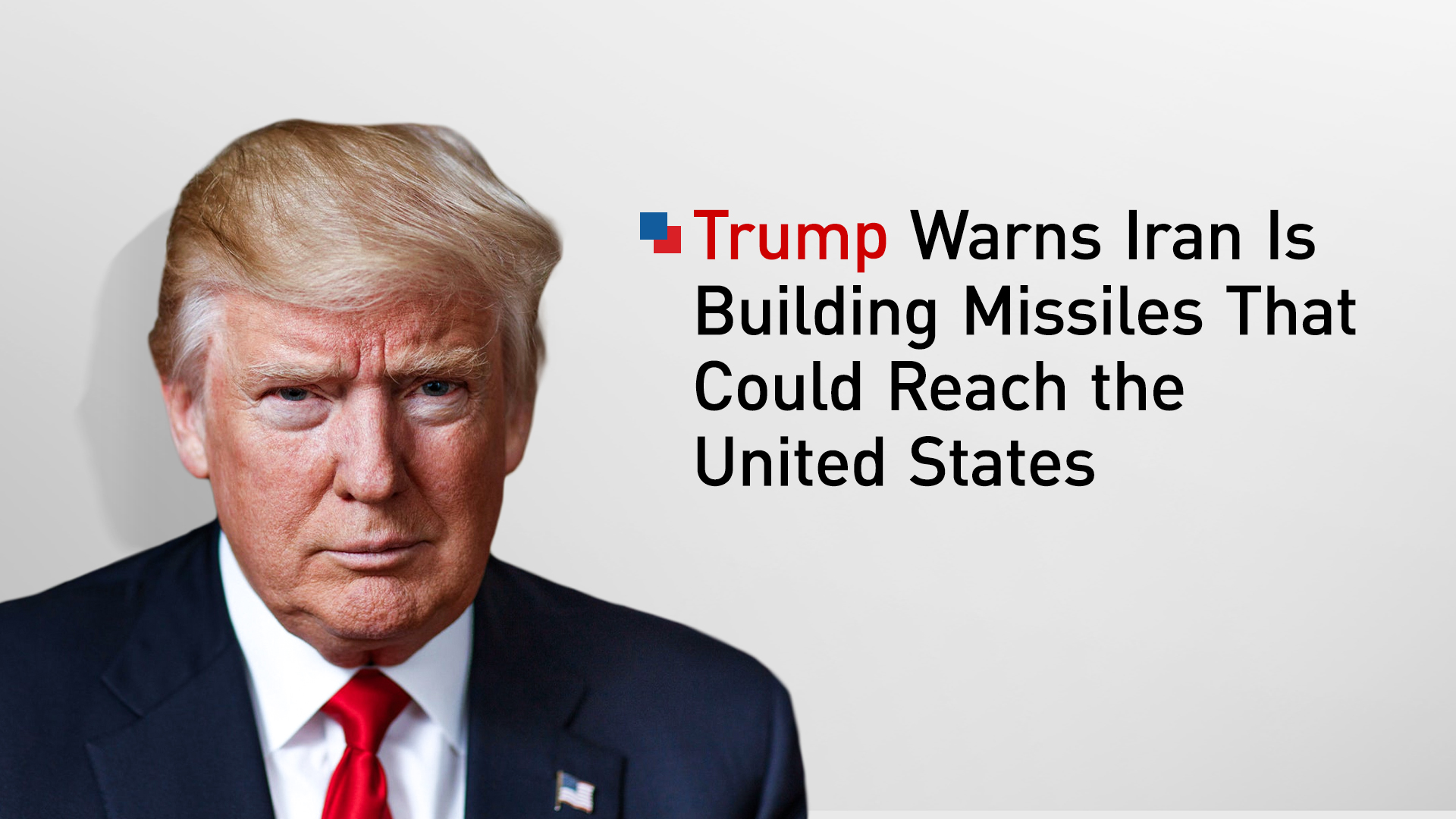
ERBIL (Kurdistan24) — Donald Trump used a marathon State of the Union address Tuesday to warn that Iran is developing missiles capable of reaching the United States and vowed he would never allow Tehran to obtain a nuclear weapon, while also declaring a “turnaround for the ages” in his domestic agenda ahead of critical midterm elections.
Trump said that Iran has already developed missiles “that can threaten Europe and our bases overseas” and that its leaders are working to build weapons that could strike U.S. territory — a claim that underscores escalating tensions and coincides with the deployment of U.S. aircraft carriers to the Middle East.
“My preference is to solve this problem through diplomacy,” Trump said in the address to Congress. “But one thing is certain, I will never allow the world’s number one sponsor of terror … to have a nuclear weapon.”
The president’s remarks come as the U.S. has increased military forces in the Middle East amid stalled negotiations with Tehran and concerns over its missile and nuclear programs. Trump reiterated that negotiations with Iran continue, but said he has yet to hear “the secret words: ‘We will never have a nuclear weapon.’”
Iran has consistently denied seeking nuclear weapons, asserting its nuclear program is for peaceful purposes. Despite repeated denials from Tehran, Trump characterized Iran’s actions as a serious threat and framed them as central to his administration’s national security priorities.
Trump opened what became the longest State of the Union speech on record — lasting 1 hour and 47 minutes — by portraying the United States as “bigger, better, richer and stronger than ever before.”
“Tonight, after just one year, I can say with dignity and pride that we have achieved a transformation like no one has ever seen before,” he declared, in a bid to rally support from voters ahead of November’s midterm elections.
The address repeatedly drew partisan reactions: Republicans stood and applauded multiple times, while Democrats often remained seated and interjected protests throughout the speech.
Trump’s attempt to tether foreign policy assertiveness with domestic accomplishments comes as his Republican Party faces the risk of losing control of Congress. Recent polling has shown Trump trailing in key approval metrics, particularly on economic issues such as inflation and living costs.
Chuck Schumer, a top Democratic leader, dismissed the speech as “delusional,” asserting it did not sufficiently address the everyday struggles of ordinary Americans.
Trump’s address included familiar campaign themes, from economic achievements to critiques of immigration policy and attacks on Democratic opponents, but was lighter on detailed new policy proposals.
Trump spotlighted Team USA’s Olympic success by inviting gold medal-winning athletes to the chamber, punctuated by chants of “USA!” He also awarded the Presidential Medal of Freedom to the team’s goalie and presented military honors to veterans and service members.
He also boasted of geopolitical developments touted by his administration, such as increased Venezuelan oil shipments to the United States and the reported killing of a Mexican drug kingpin.
Midway through the speech, Trump returned to contentious domestic issues, including a call for stricter voter ID requirements and reiteration of claims that U.S. elections suffer from widespread fraud.
The debate over voting rights and election security is expected to be a defining feature of the midterm campaign, as Republicans aim to hold off Democratic gains in both the House and Senate.
Trump’s juxtaposition of a tough stance on Iran with calls for diplomatic avenues reflects the administration’s effort to balance military readiness with a public preference for peace.
Analysts note that the emphasis on Iran may be aimed at reinforcing perceptions of strength amid political headwinds, even as the White House contends with internal and external scrutiny over foreign policy direction and domestic priorities.