Axios: Trump Administration Demands Any Iran Nuclear Deal Have No Sunset Provisions, Last Indefinitely
Axios reported on Wednesday, that the Trump administration is demanding any future Iran nuclear deal have no sunset provisions and remain in force indefinitely, ahead of talks in Geneva.
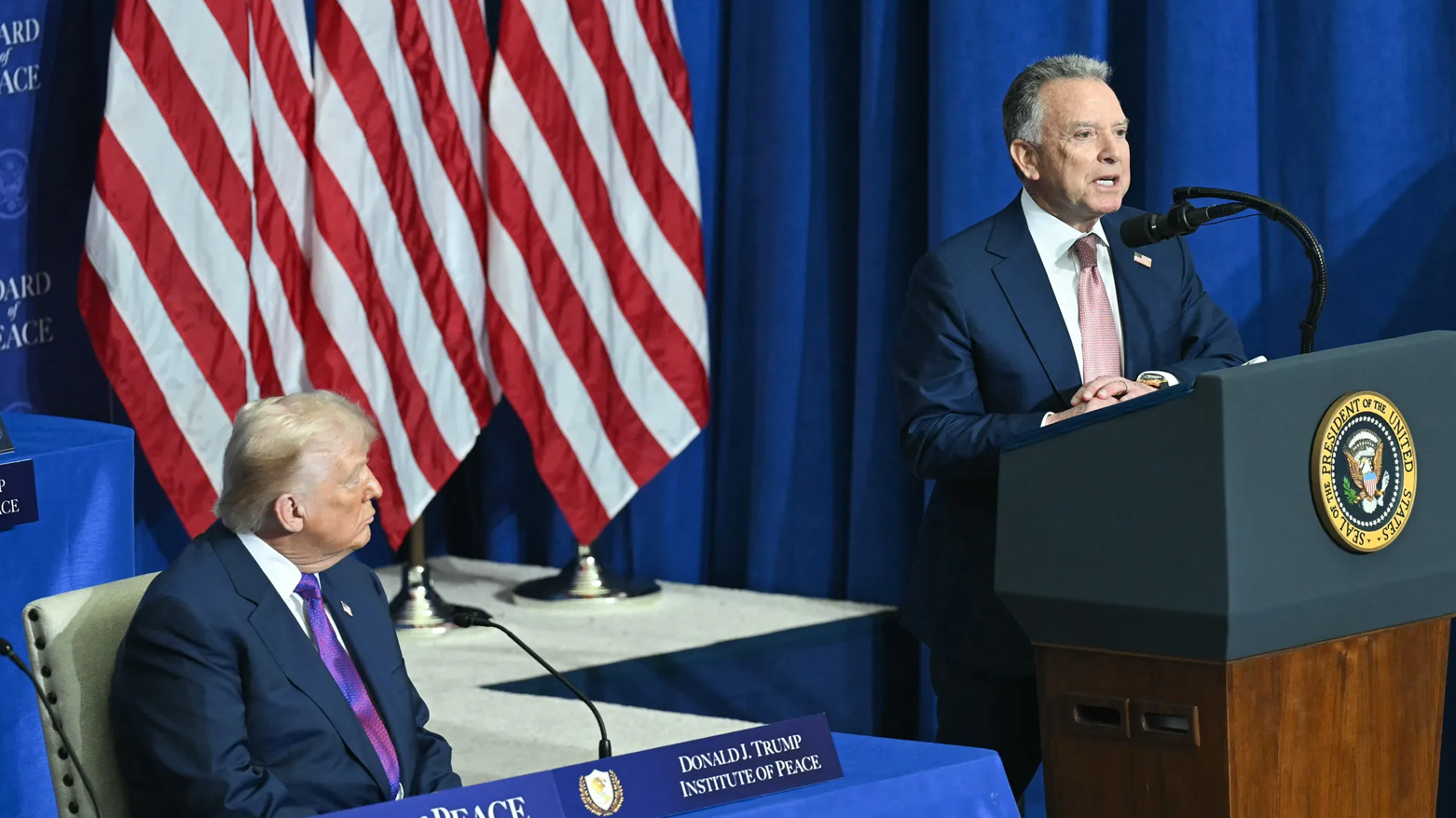
ERBIL (Kurdistan24) - The Trump administration is insisting that any future nuclear agreement with Tehran must remain in force indefinitely, according to a report published by the US outlet Axios on Wednesday, citing informed sources.
Axios reported that Steve Witkoff, US President Donald Trump’s special envoy, told a private gathering of donors affiliated with the American Israel Public Affairs Committee (AIPAC) that Washington’s position is firm: any future nuclear deal with Iran must not include an expiration date.
According to a US official and two other sources familiar with his remarks, Witkoff stated that the administration’s premise in negotiations is the absence of “sunset provisions,” meaning the agreement would remain effective for an undefined duration.
“We start with the Iranians with the premise that there is no sunset provision. Whether we get a deal or not, our premise is: you have to behave for the rest of your lives,” Witkoff told the gathering in Washington, according to the sources cited by Axios.
The comments came two days before the next round of nuclear talks is scheduled to take place in Geneva.
Axios noted that critics of the 2015 nuclear deal negotiated under former President Barack Obama, including Trump, had cited sunset provisions — under which most restrictions on Iran’s nuclear program expired between eight and 25 years after signing — as a major flaw. Iran had also pledged under that agreement never to pursue a nuclear weapon.
According to the report, removing such sunset clauses would strengthen any new agreement and allow Trump to present it domestically as an upgrade to the previous deal.
Witkoff also said that current US-Iran negotiations are focused on nuclear issues, including Iran’s ability to enrich uranium and the fate of its existing stockpile of enriched uranium. If a deal is reached, the administration would seek follow-up talks addressing Iran’s missile program and its support for proxy militias, with other regional countries participating in those discussions.
Axios reported that Iran’s demand to continue uranium enrichment on its soil remains one of the key hurdles in the negotiations. US officials have indicated that Trump could be open to “token” enrichment if Iran demonstrates that it would not enable the development of a nuclear weapon.
The report added that US officials believe Iranian negotiators are under pressure from mediators — Oman, Qatar, Egypt, and Turkey — to move toward a deal that prevents war, although skepticism remains among officials in Washington and the region about whether Tehran is willing to meet the conditions set by Trump. The White House did not respond to a request for comment, according to Axios.
The outlet further reported that Witkoff and Trump’s adviser and son-in-law Jared Kushner are expected to meet Iranian Foreign Minister Abbas Araghchi in Geneva on Thursday to discuss a detailed proposal for a nuclear deal drafted by Iran. A source with direct knowledge told Axios that Iran’s political leadership had cleared the proposal, though it was unclear whether it had already been provided to the US.
Axios described the Geneva meeting as likely to represent the last opportunity for a diplomatic breakthrough. The message delivered by Kushner and Witkoff to Trump afterward could significantly influence whether the president continues negotiations or orders a military campaign against Iran.
US Vice President JD Vance told Fox News on Wednesday: “We can't let the craziest and worst regime in the world have nuclear weapons. That's what the president has set as our goal. He is going to try and accomplish that diplomatically, but he has a number of other tools at his disposal to ensure this doesn't happen. He has shown willingness to use them and I hope the Iranians take it seriously in the negotiations tomorrow.”
On the Iranian side, Araghchi said in an interview with “India Today” that his objective in the Geneva negotiations is to prevent war.
“In the previous round, we made progress. We were able to reach a kind of understanding, and I think based on those understandings we can build something in the form of an agreement, a deal,” he said.