Iran Denies Seeking Nuclear Weapons Ahead of Talks with US in Switzerland
Tehran and Washington Prepare for Negotiations Amid Military Build-Up and Heightened Rhetoric
ERBIL (Kurdistan24) — Iran’s President Masoud Pezeshkian said that the Islamic Republic is “not at all” seeking to develop nuclear weapons, as Iranian and U.S. officials prepare to begin talks on Thursday, in Switzerland, aimed at averting a potential military confrontation.
“Our Supreme Leader has already stated that we will not have nuclear weapons at all,” Pezeshkian said, referring to Ali Khamenei.
The negotiations, mediated by Oman, come amid a significant U.S. military build-up in the region and repeated warnings from U.S. President Donald Trump that failure to reach an agreement could result in military strikes on Iran.
In his recent State of the Union address, Trump accused Iran of “pursuing sinister nuclear ambitions,” asserting that Tehran has developed missiles capable of threatening Europe and U.S. bases overseas and is working toward missiles that could reach the United States. Iran’s foreign ministry dismissed those claims as “big lies,” reiterating that its nuclear program is intended for civilian purposes.
Iran has publicly stated that the maximum range of its missiles is 2,000 kilometers (1,200 miles). However, the U.S. Congressional Research Service estimates that some Iranian missiles could reach up to approximately 3,000 kilometers — still significantly short of the distance to the continental United States.
While Tehran has maintained that the upcoming talks should focus solely on its nuclear program, Washington has signaled that it also wants Iran’s ballistic missile development and support for armed groups in the region addressed.
U.S. Secretary of State Marco Rubio warned ahead of the talks that Iran’s refusal to negotiate over its missile program poses “a big, big problem,” though he added that “the president wants diplomatic solutions.”
At the same time, U.S. Vice President JD Vance urged Tehran to take Trump’s warnings “seriously,” stating that the U.S. president has the “right” to resort to military action if necessary. “You can't let the craziest and worst regime in the world have nuclear weapons,” Vance said in an interview with Fox News.
Trump previously said on February 19 that Iran had 15 days to reach a deal.
Iran’s Foreign Minister Abbas Araghchi, who is leading Tehran’s delegation, described the negotiations as “a historic opportunity” and said an agreement was “within reach.” In a statement following a meeting with his Omani counterpart, Araghchi said the outcome would depend on the “seriousness of the other side and its avoidance of contradictory behavior and positions.”
The United States is expected to be represented by envoy Steve Witkoff and Jared Kushner, the latter married to Trump’s daughter Ivanka Trump.
The talks follow earlier rounds held in Oman and Geneva. A previous diplomatic effort collapsed after Israel launched surprise strikes on Iran last June, triggering a 12-day conflict that briefly drew in Washington through strikes on Iranian nuclear facilities.
Regional analysts warn of mounting tension. Emile Hokayem, a senior fellow for Middle East security at the International Institute for Strategic Studies, told AFP that “the region seems to expect a war,” adding that there is widespread apprehension that any new conflict could be larger than last year’s fighting.
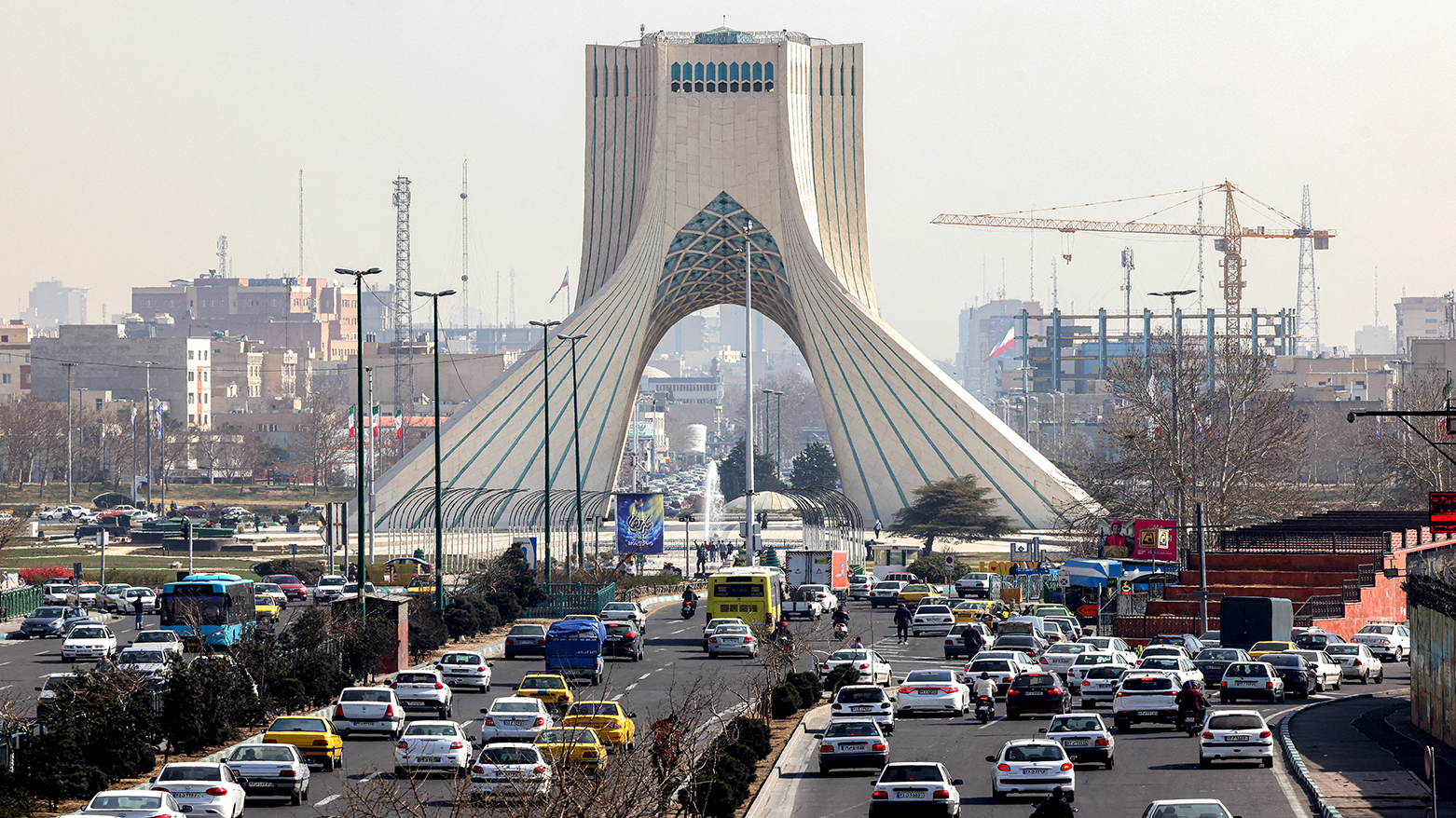
Among residents in Tehran, views appear divided. Some expressed fear of the humanitarian and economic consequences of war, while others voiced uncertainty about the country’s future amid ongoing sanctions and political pressure.
The outcome of the Switzerland talks may prove pivotal in determining whether diplomatic channels can defuse escalating tensions or whether the standoff moves closer to open conflict.